T-80-tanken, en berømt sovjetisk og russisk jager - skabelseshistorie, egenskaber, design og kamprute
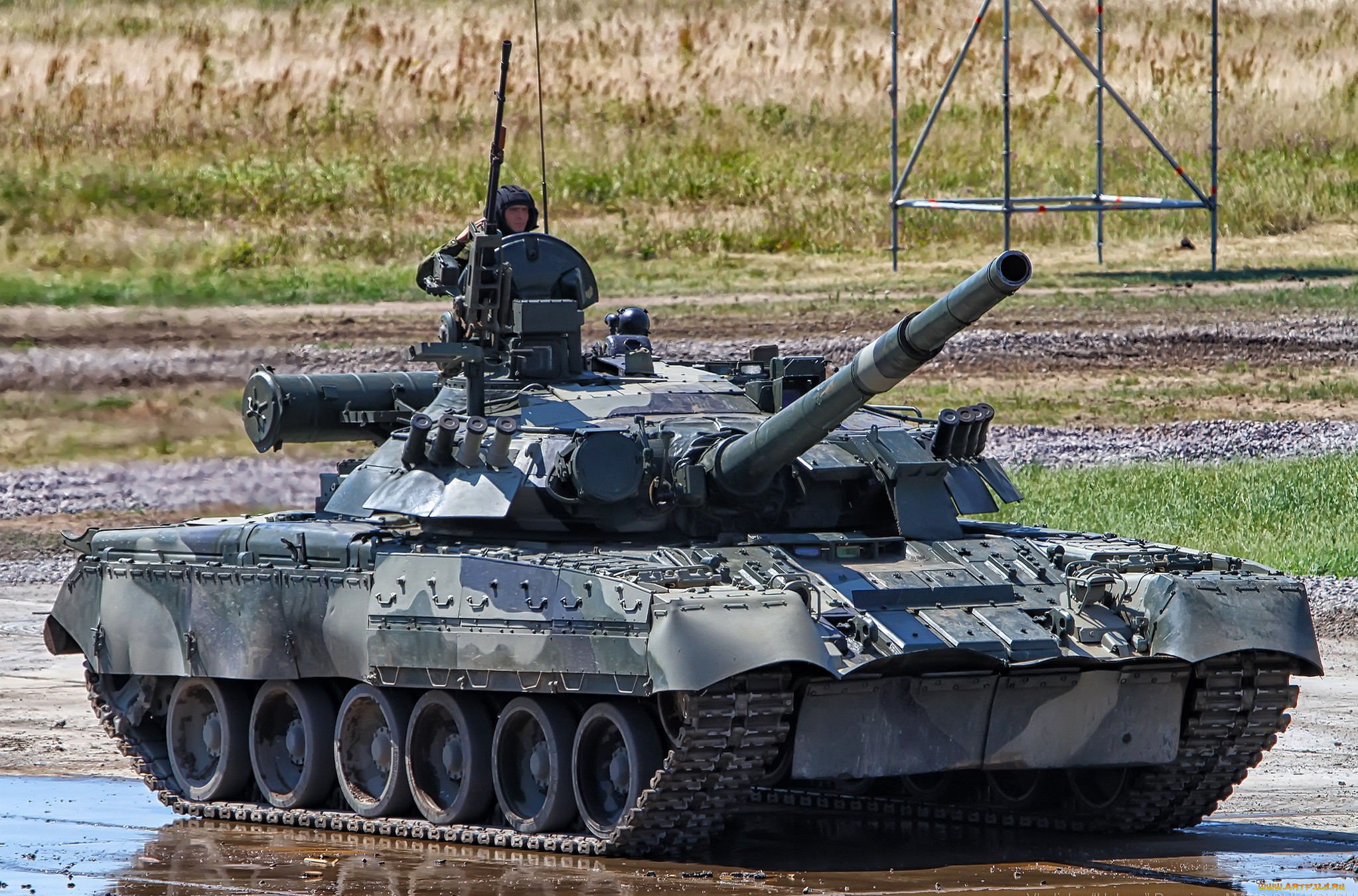
T-80 er en kampvogn, der blev masseproduceret i Sovjetunionen. Køretøjet var kendetegnet ved et enkelt gasturbinefremdrivningssystem, og i lang tid var det den sovjetiske hærs vigtigste kampvogn. Det var på denne model, at der for første gang i verden blev brugt et integreret anti-submunitionsforsvar.
Modellen blev taget i brug i 1976, og efter Sovjetunionens sammenbrud blev den den russiske hærs vigtigste kampvogn. Produktionen blev overdraget til tre virksomheder - de oprindelige versioner blev skabt af SKB-2 på basis af T-64A-tanken og blev leveret af Kirov-fabrikken.
T-80U-modifikationen blev produceret af Omsktransmash-anlægget. T-80UD-versionen med en dieselmotor blev produceret af KhZTM (V.A. Malyshev Kharkov Transport Machine Building Plant). Den blev erstattet af T-90 kampvognen.
Udviklingens historie
De første tests af brugen af gasturbinesystemet på kampvognen blev udført, mens Object 167T stadig var under udvikling. Klimov NPO (Research and Production Association) var ansvarlig for dette arbejde. T-64 blev brugt som base. Så var der Obiekt 219 sp 2, som var meget forskellig fra T-64.
Ingeniørerne fandt ud af, at den øgede effekt fra forbrændingsmotoren, den øgede vægt og ændringerne i de dynamiske parametre krævede store ændringer i designet af undervognen. Udviklerne var nødt til at skabe opdaterede hjul, skifte ruller, modernisere spor.
Hydrauliske støddæmpere og torsionsaksler blev udviklet. Tårnet gennemgik ændringer. Det blev besluttet at bibeholde kanonen, ammunitionstyperne og lademekanismen fra den tidligere T-64A-tank. Panserbeskyttelseselementerne og en række komponenter forblev uændrede. Serieproduktionen af kampvognen varede i 2 år (fra 1976 til 1978).
Modifikationer af T-80
Designerne har skabt og sat i produktion seks større modifikationer og et stort antal udviklinger med enkelte produktionsmængder. Følgende modeller fortjener maksimal opmærksomhed:
T-80B. Den blev vedtaget i 1978, dens vægt er mere end 42 tons. Køretøjet er udstyret med 1G42 lasersigte, 2E26M stabilisator, 2A46-2 kanon. Tårnpanseret blev også styrket, og efter 1980 blev GTD-1000TF forbrændingsmotoren på 1100 hk installeret.
T-80BV. Designerne forbedrede T-80B ved at udstyre den med kontaktbeskyttelse og mere seriøs pansring af frontpanseret. Køretøjet blev taget i brug i 1985, og dets kampvægt var 43,69 tons.
T-80U. Den blev taget i brug i 1985. Dette design har det samme skrogpanser som T-80BV. Det opdaterede tårn er stærkere, det har en cellulær fyldning. Køretøjet er udstyret med Reflex-systemet, og nøjagtigheden af træffere sikres af 1G46-lasersigtet.
T-80UD. Dette er en opdateret version af T-80U, som er udstyret med en totakts dieselmotor med 6 cylindre. 6TD-motoren har en ydelse på 1000 hk og er i stand til at køre på forskellige typer brændstof. Den er udstyret med et luftværnsmaskingevær med fjernbetjening. Køretøjets vægt er 46 tons. Den blev taget i brug i 1987. Der blev produceret ca. 800 enheder på fire år.
T-80BVM. Dette er en opdateret modernisering af T-80BV-varianten. Tanken er udstyret med en 2A46M-4-kanon, designerne har forbedret GTE-1250-motoren og udstyret mekanikeren med en TVN-5-observationsenhed. Køretøjet er kendetegnet ved øget kontrollerbarhed på grund af installationen af radiostationen "Aqueduct".
Ankomsten af nye teknologier og revolutionerende gennembrud i elektronikkens verden gav mulighed for mange ændringer. 1992-versionen af T-80UM havde et Agava termisk kamera, R-163-50U radiostation og var kendetegnet ved en radioabsorberende belægning. T-80UE-1-versionen var udstyret med en luftindtagsanordning, som hjælper med at overvinde vadesteder med en dybde på op til to meter.
Teknik baseret på tanken
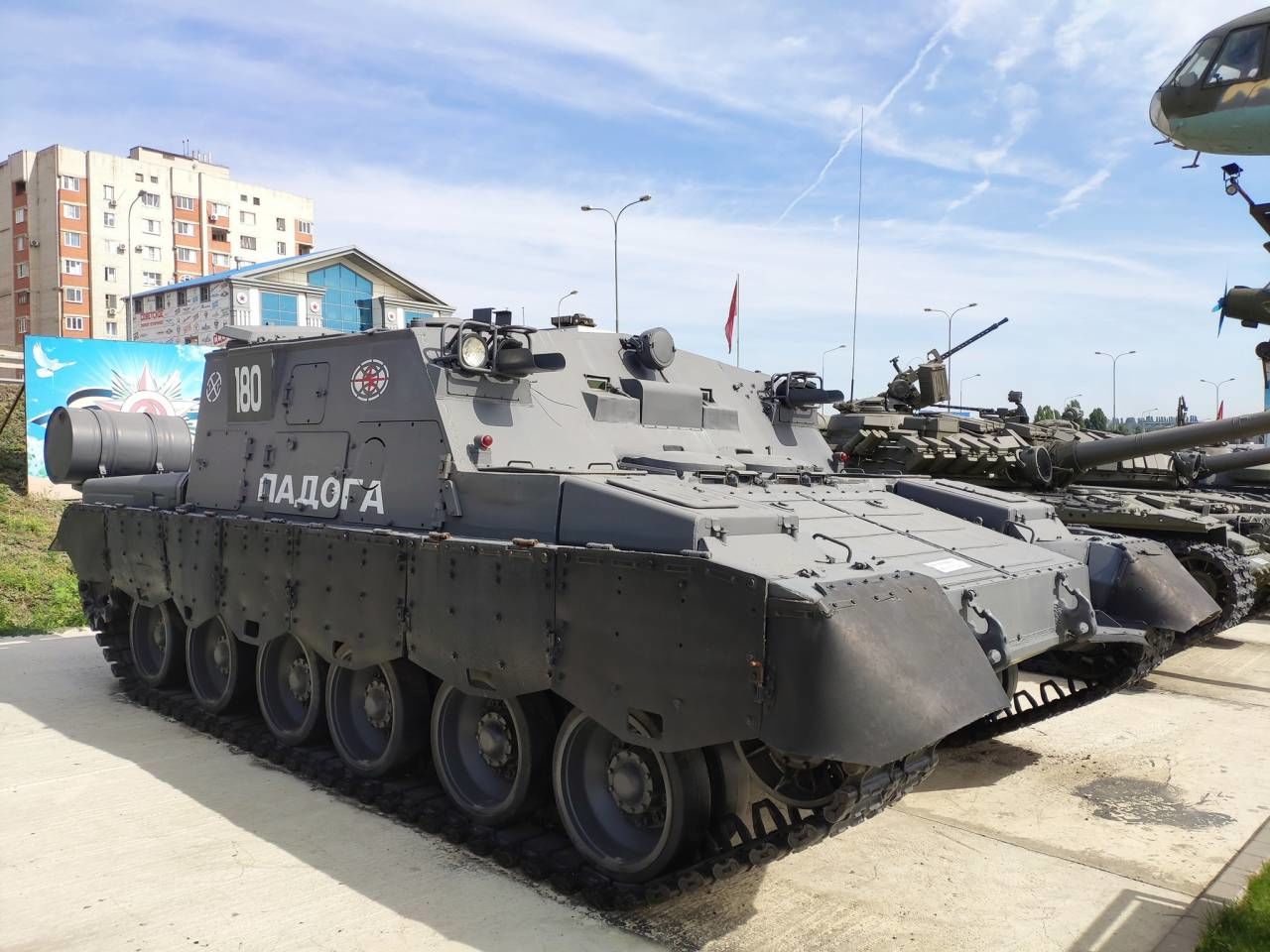
T-80's fremragende parametre og pålidelighed gjorde det muligt at skabe en række tekniske enheder. Redningsfolk og specialtjenester får hjælp til deres arbejde af det stærkt beskyttede køretøj "Ladoga".
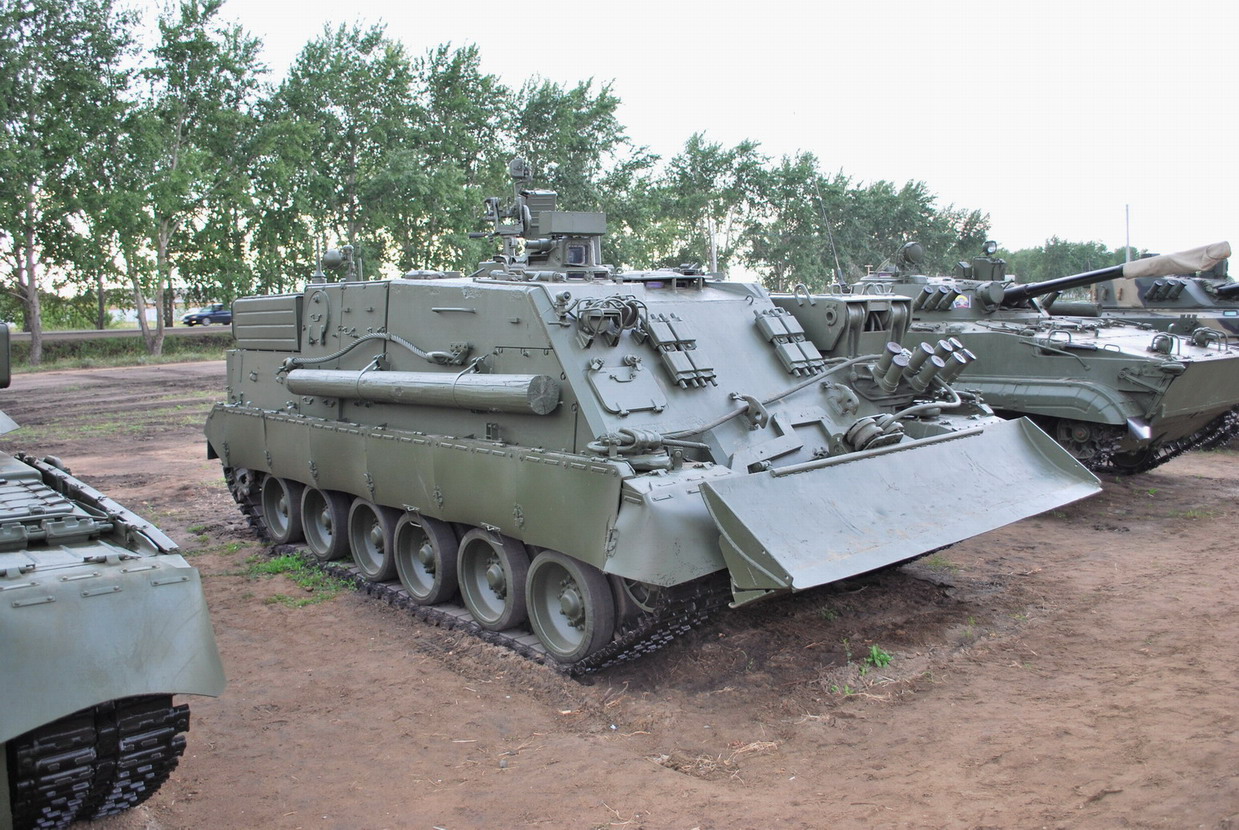
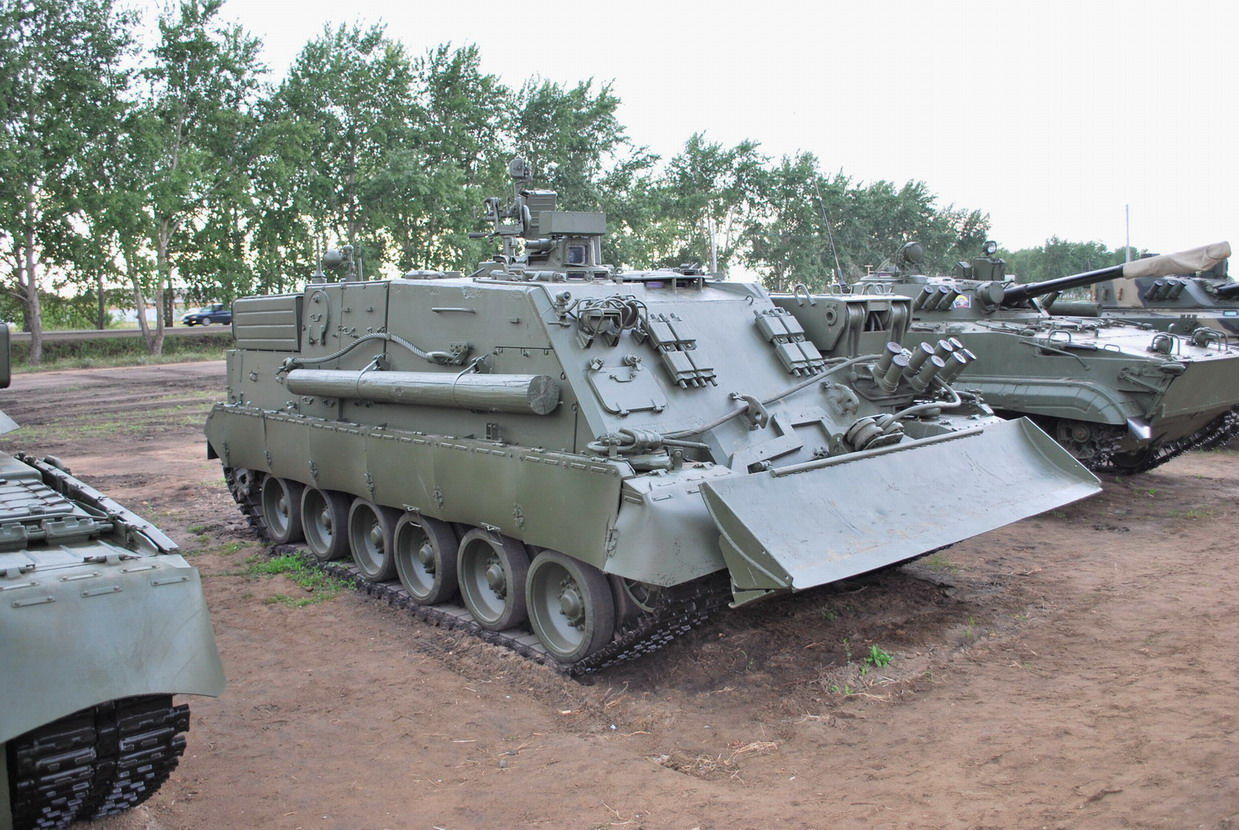
Det pansrede reparationskøretøj BREM-80U har fremragende ydeevne.
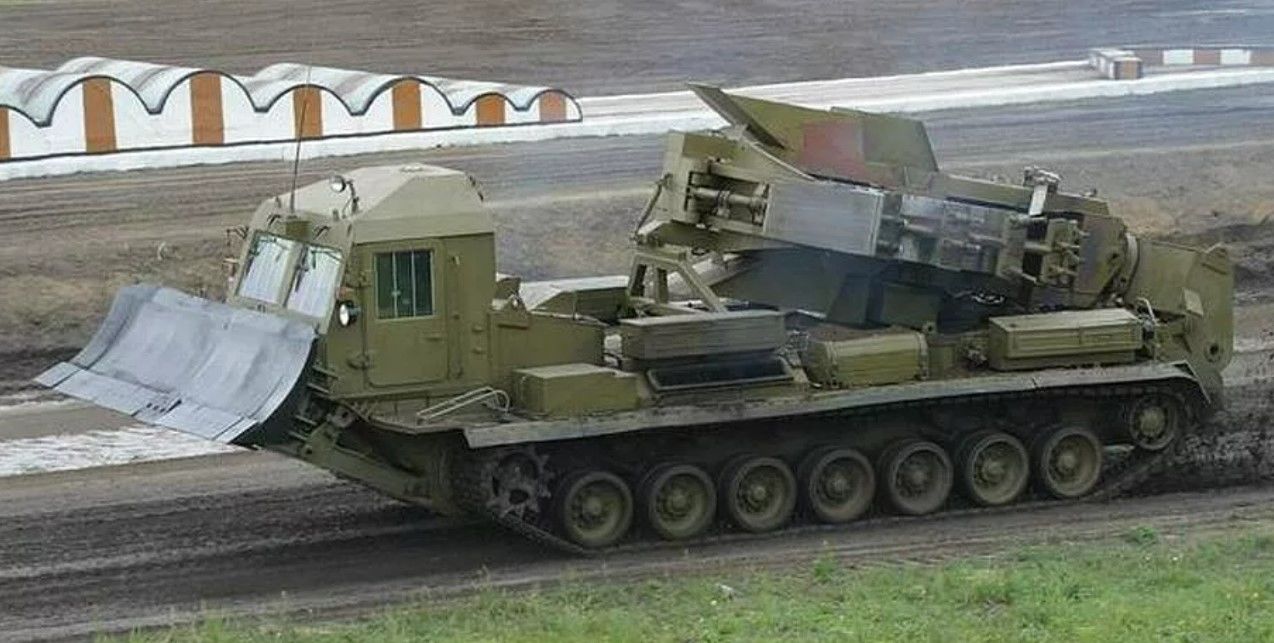
Brandmænd har en SPM i deres tjeneste.

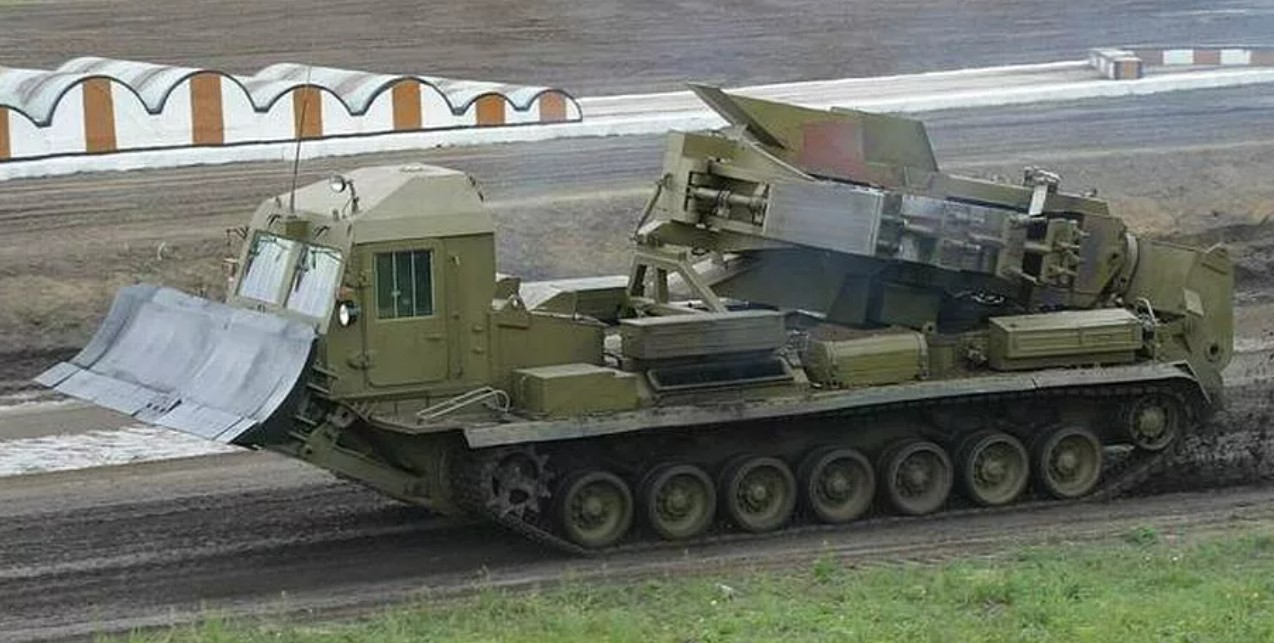
Til udgravningen bruger de gravemaskinen BTM-4M..
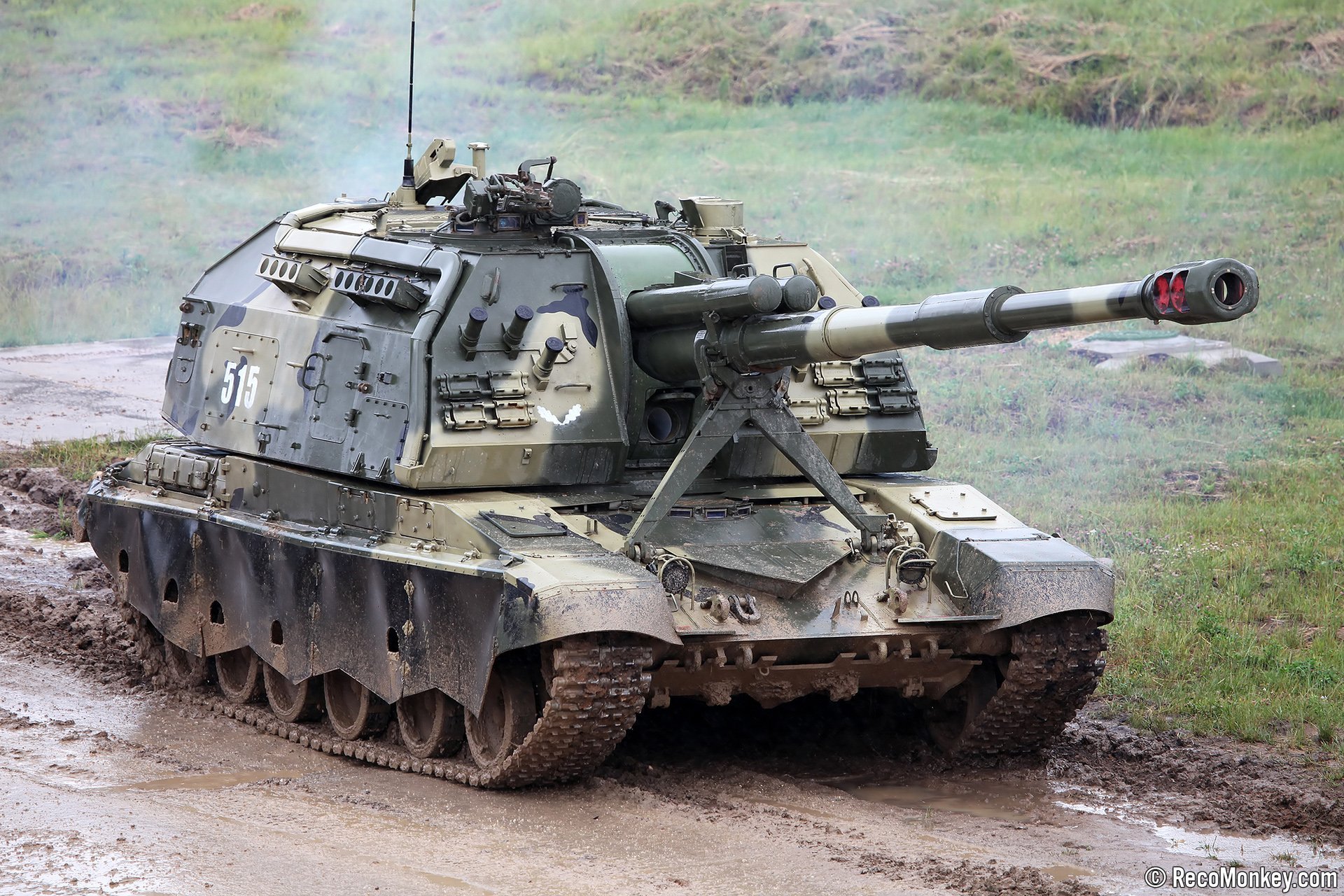
Msta-S selvkørende kanon viste sit værd i kamp.

Karakteristika
- Længde - 6.682 m
- Højde - 2.193 m
- Bredde - 3,525 m
- Frihøjde - 0,45 m
- Forhindring, der skal overvindes - 1 m
- Specifik effekt - 24 hk/t
- Specifikt jordtryk - 0,84 kg/cm²
- Grøft, der kan overvindes - 2,85 m
- Hældning på løftefladen - 32 grader
- Antal producerede enheder - ~10000 stk.
Beskrivelse af konstruktionen
T-80-tanken er kendetegnet ved anstændig mobilitet, ud over skaller og konventionel ammunition er den i stand til at affyre missiler. Ekstra beskyttelse hjælper den med ikke at miste kampkapacitet under brug af masseødelæggelsesvåben.
Takket være gasturbineforbrændingsmotoren er kampvognen i stand til at nå hastigheder på op til 70 km/t på motorvejen. Ved brug af ekstra hængslede brændstoftønder når rækkevidden på motorvejen op til 600 kilometer. Besætningen består af chauffør, skytte og kommandør.
Om enheden
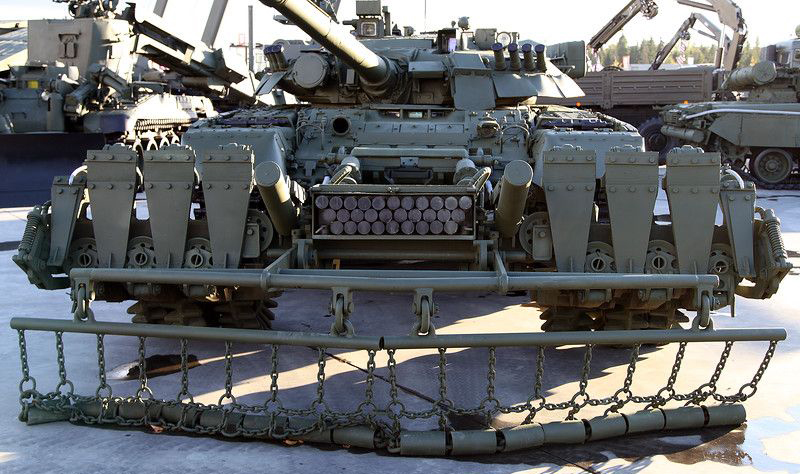
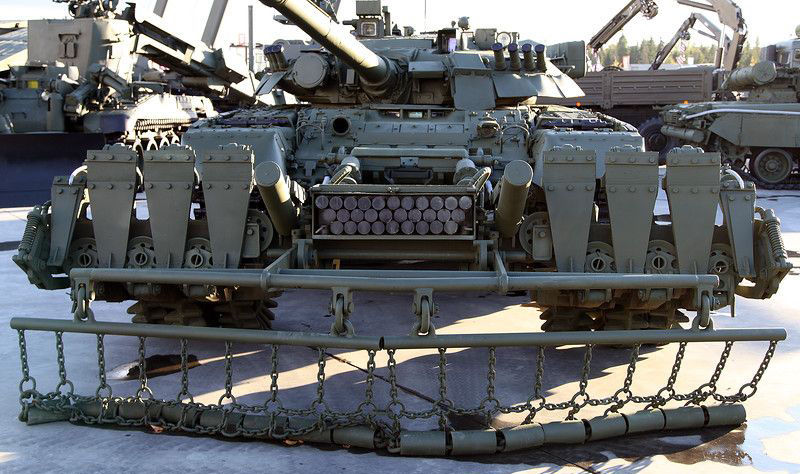
Tanken adskiller sig konceptuelt ikke fra snesevis af andre prototyper. Ud over monteringsenheder i form af skrog, tårn, løbeværk, transmission, forbrændingsmotor og elektrisk udstyr har designerne separat tildelt kommunikationsudstyr, observations- og sigteanordninger og et kollektivt forsvarssystem. Denne tank har opvarmning, røggranatkaster og udstyr til at køre under vand. Tankvogne kan installere et effektivt minetrawl.
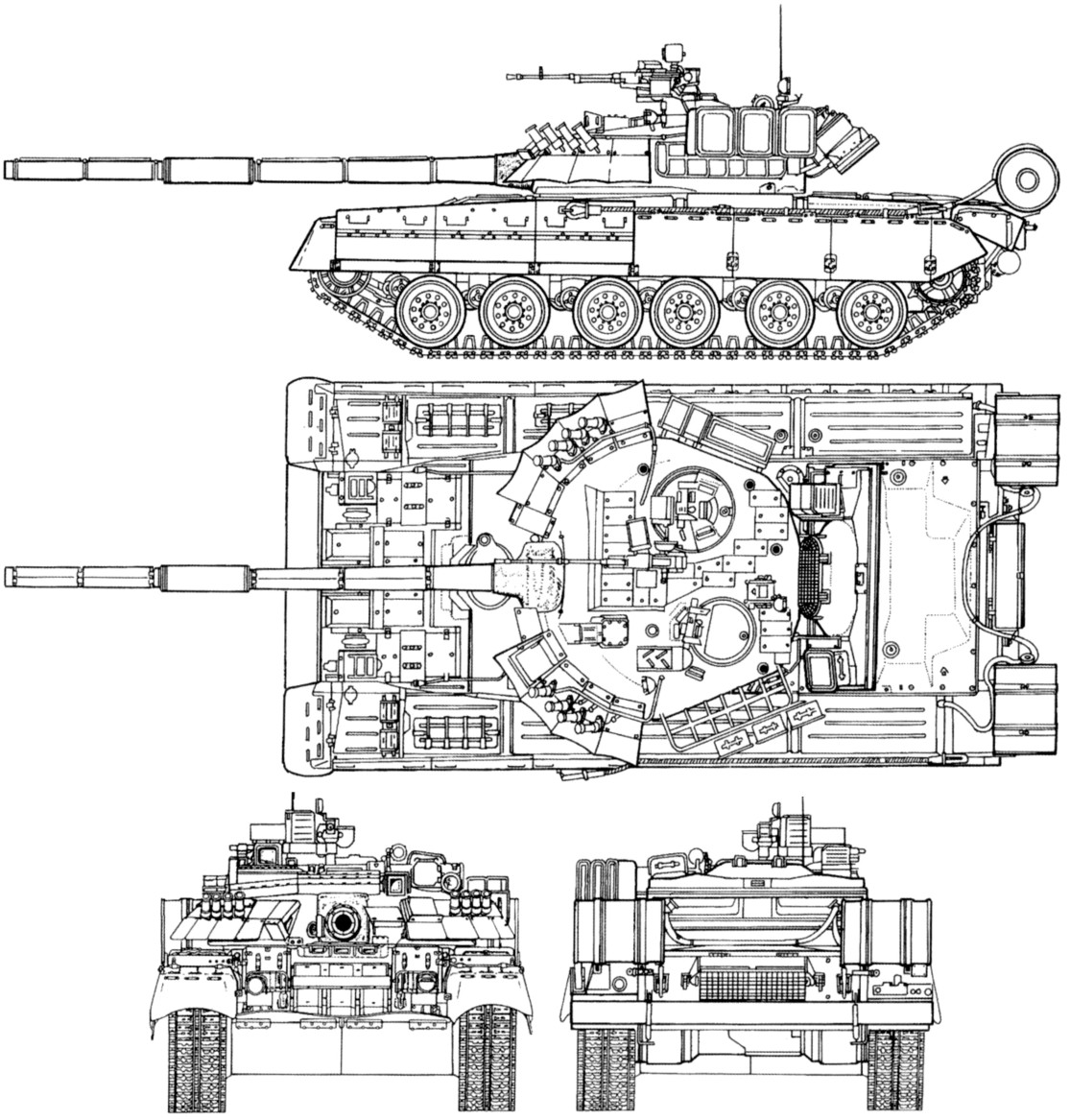
The layout is classic: the driver mechanic is located in the front of the vehicle. The combat compartment is located in the center of the vehicle, the power units are located in the aft part. The hull of the vehicle is a welded armored box, which includes the nose, two sides, stern, bottom and roof.
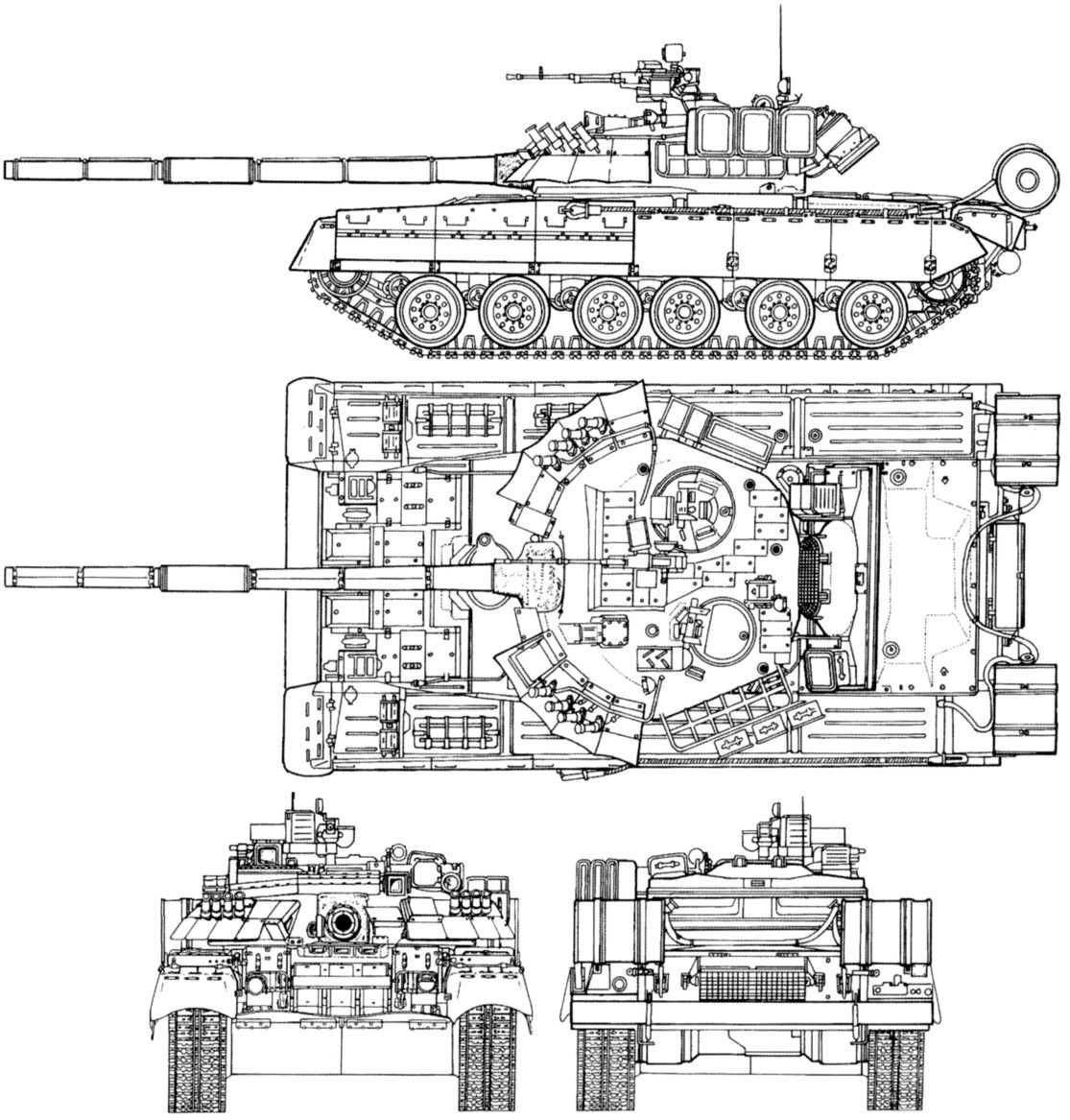
The turret is a shaped armored steel casting with a roof. A gun embrasure is provided in the front part. The turret is mounted on a ball bearing, it is dislocated in the annular recess of the hull plates.
Powerplant
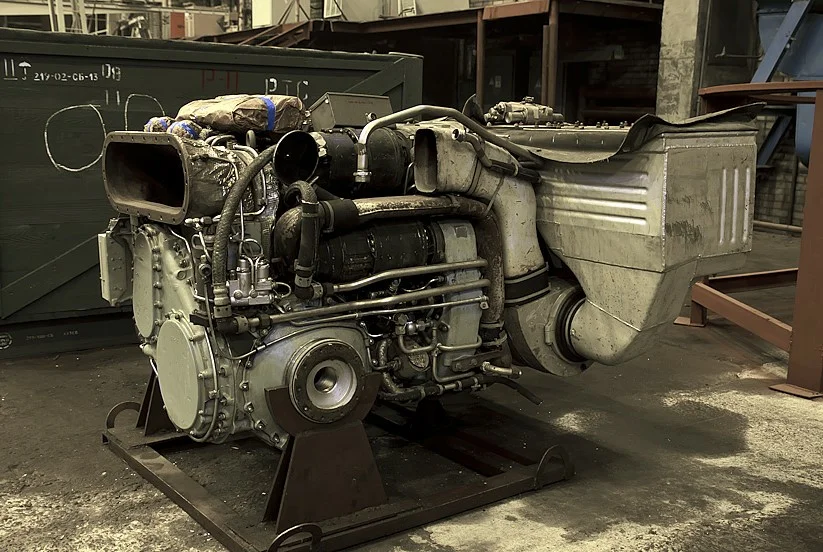
The designers used the GTD-1000TF internal combustion engine. It is equipped with a two-stage turbocharger. The power of the engine is 1100 hp. Fuel consumption ranges from 70 liters per hour at low speeds to 230 liters at maximum load.
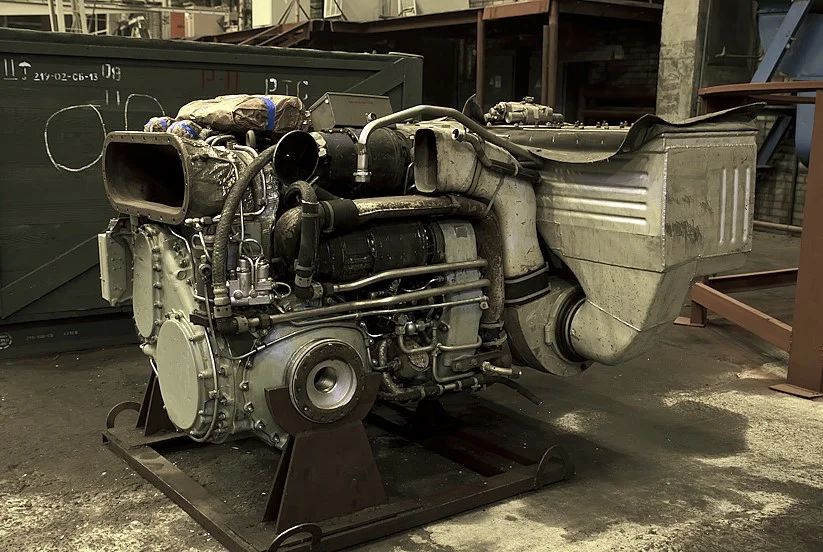
The engine with gearbox weighs 1050 kg. The internal combustion engine resource is 1000 hours, the guaranteed resource is half as long. The tank can be refueled with aviation kerosene, diesel fuel of L and Z grades. A-72 gasoline is a good option.
Synthetic aviation oil or a backup version of IPM-10 is used as a lubricant for the propulsion system. The air system of the T-80 works thanks to the AK-150SV pump, it creates pressure up to 166 kg/cm². The APU-71 device helps to start the engine. This takes about 55 seconds and half as long for purging.
Transmission
It is mechanical in the tank, friction elements are activated by hydraulics. The transmission can be divided into two parts, they are united by an on-board gearbox and a gearbox. Each on-board gearbox has four forward and one reverse speed. The weight of the gearbox together with the gearbox is 0.85 tons.
About the undercarriage
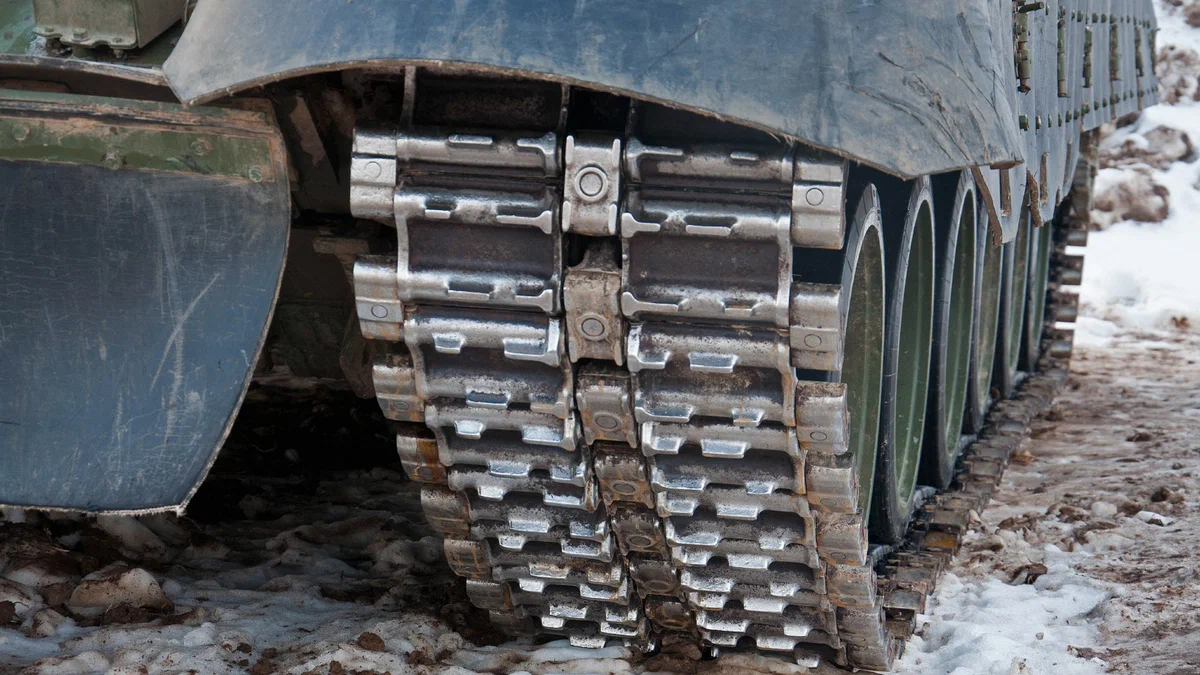
It is a tracked propulsion system with the driving wheels located at the stern. The track is made of steel and is equipped with a rubber-metal joint. The rubberized treadway and chain locking ensure reliable traction of the tracks.
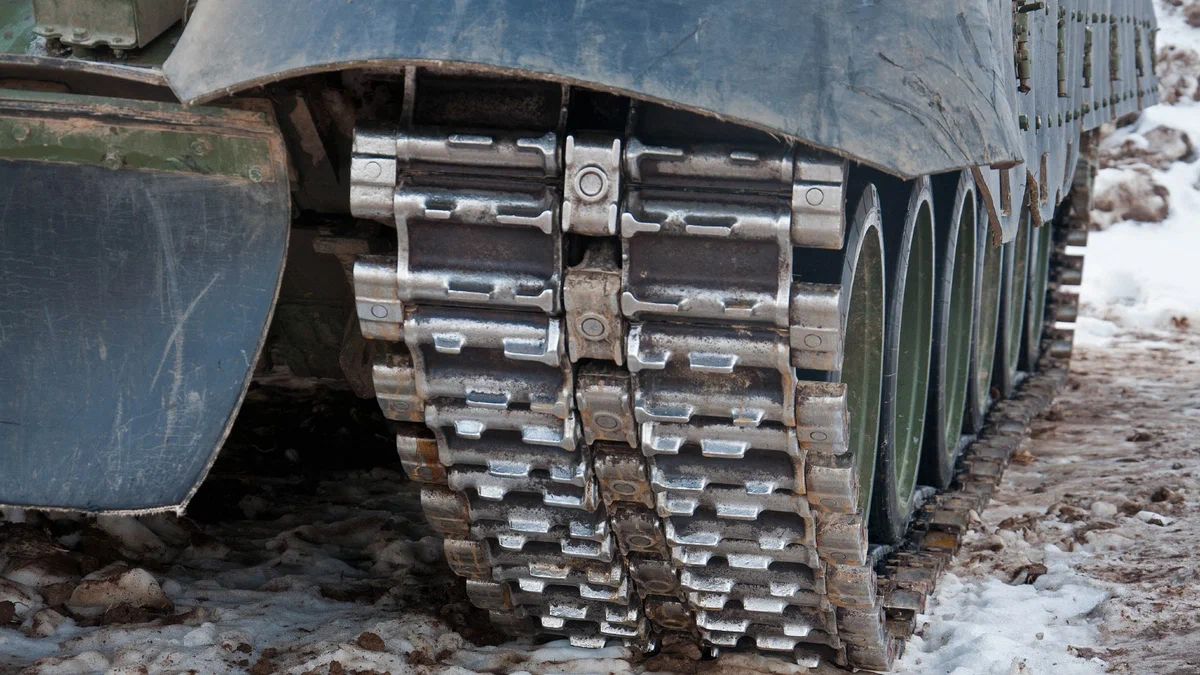
One track has 80 tracks, its width is 0.58 m and total weight is 1.77 tons. The 12 support rollers are a double disc design with external shock absorption. The design includes 10 single band support rollers. The suspension of the first, second and sixth rollers has shock absorbers.
Electrical equipment
The machine has its own single-wire DC network, with the body acting as a minus. For voltage generation is responsible GS-18MO unit, the generated voltage of 28.5 volts is enough to power all the devices and recharge four acid batteries 12ST-85R. Their total capacity is 340 Ah.
The intensity of rotation of the generator shaft is within the range from 4300 to 9000 revolutions per minute. For starting the internal combustion engine an aviation starter of GS-12TO brand is used.
Communication and observation devices
The tank is equipped with the R-123M radio station. In camping conditions and in combat, the crew can communicate using the R-124 intercom system. For daytime observation, the tank is equipped with TPNO-160 (five units).
The gunner can use the TNPA-65 device (the commander has two of them). Five-fold amplification is given by the TKN-3B device. The electronic binocular device TVNE-4B will help the driver mechanic. He uses GPC-59 as a direction finder.
Other equipment
A number of headlights are used to move at night, among which are FG-127 and FG-125. The tank is equipped with a collective defense system that allows it to survive a nuclear or chemical attack. There is a device for radiation and chemical reconnaissance.
There is a built-in fire extinguishing system for safety. It comes with a carbon dioxide fire extinguisher. Survival in battle is helped by the system of launching smoke grenades. With the help of built-in bulldozer equipment, the vehicle is able to dig in independently.
Armament
The main weapon in combat is the 2A46M-1 smoothbore gun (caliber 125 mm). Thanks to the automatic loader it is possible to achieve an intensity of 7 shots per minute.
The maximum aiming range is 4 km (we are talking about an armor-piercing shell). Fragmentation projectile is capable of hitting targets at a distance of up to 5 km. But the maximum flight of the projectile is 10 km. The tank can take 36 rounds into combat.
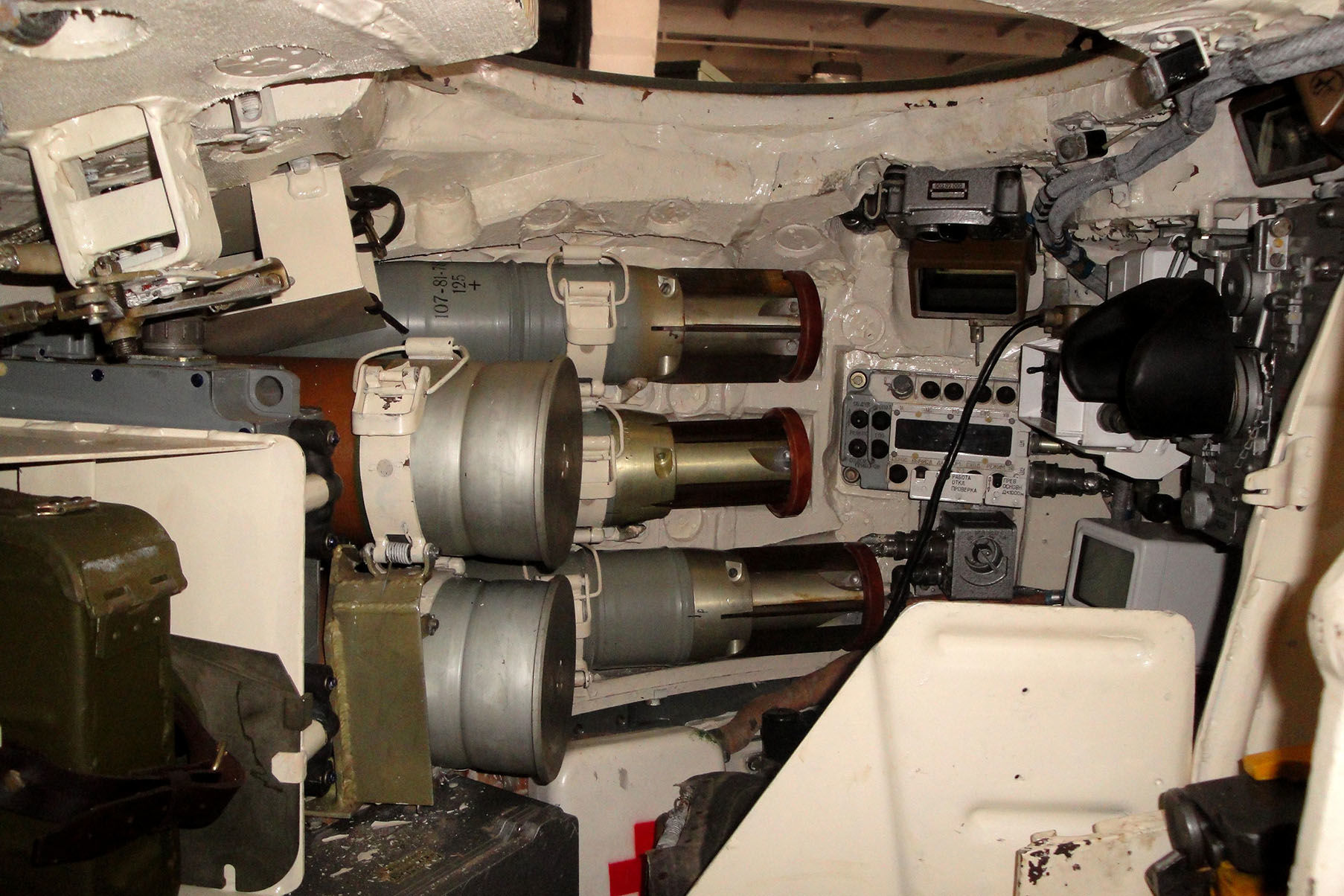
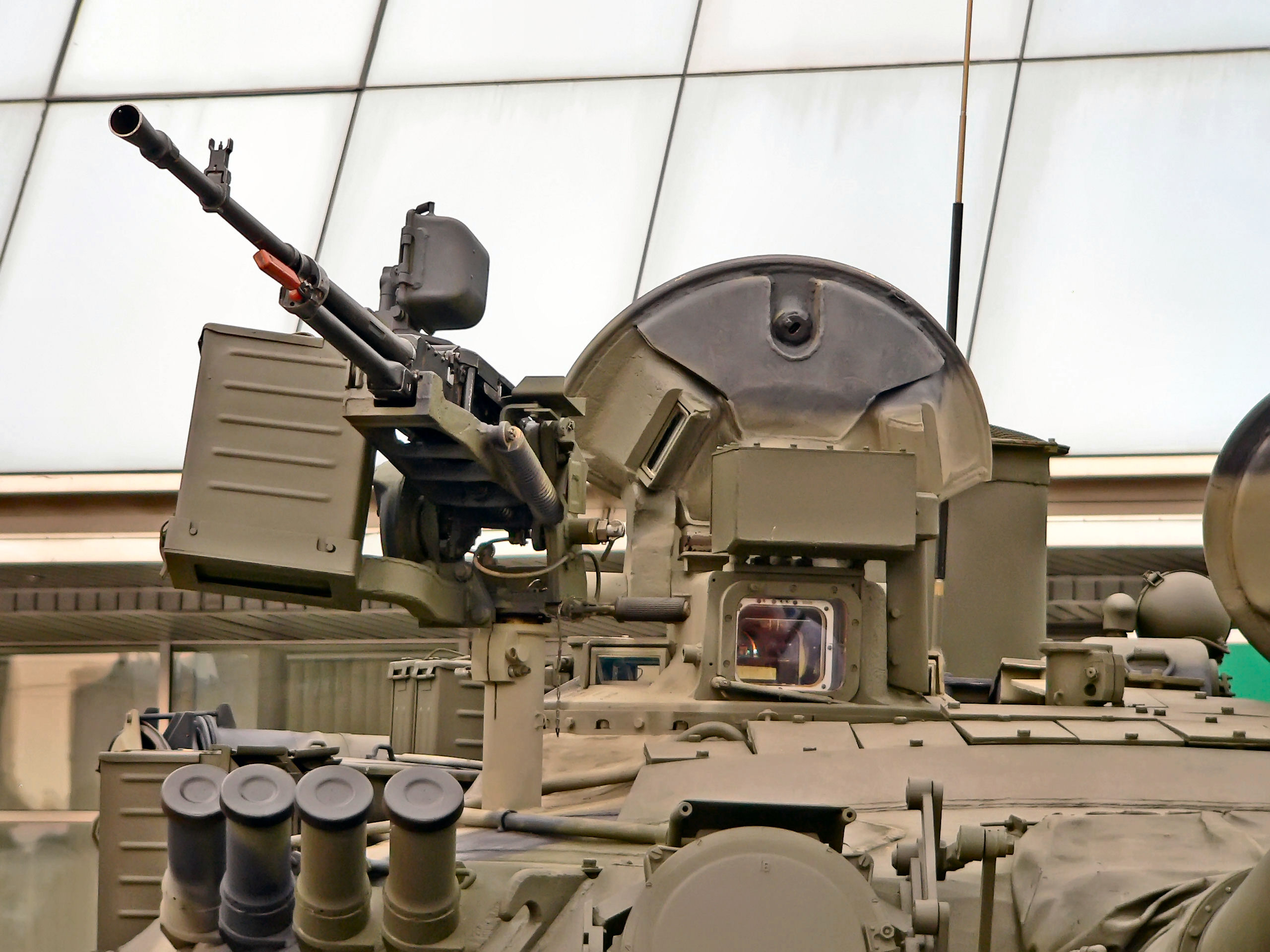
PKT machine gun is paired with the cannon: it is possible to hit live forces at a distance of up to 1.6 km. The ammunition set for combat is 2,000 rounds. The T-80 is equipped with the Utyos anti-aircraft machine gun. It is capable of engaging ground and air targets; the combat kit is 300 rounds.
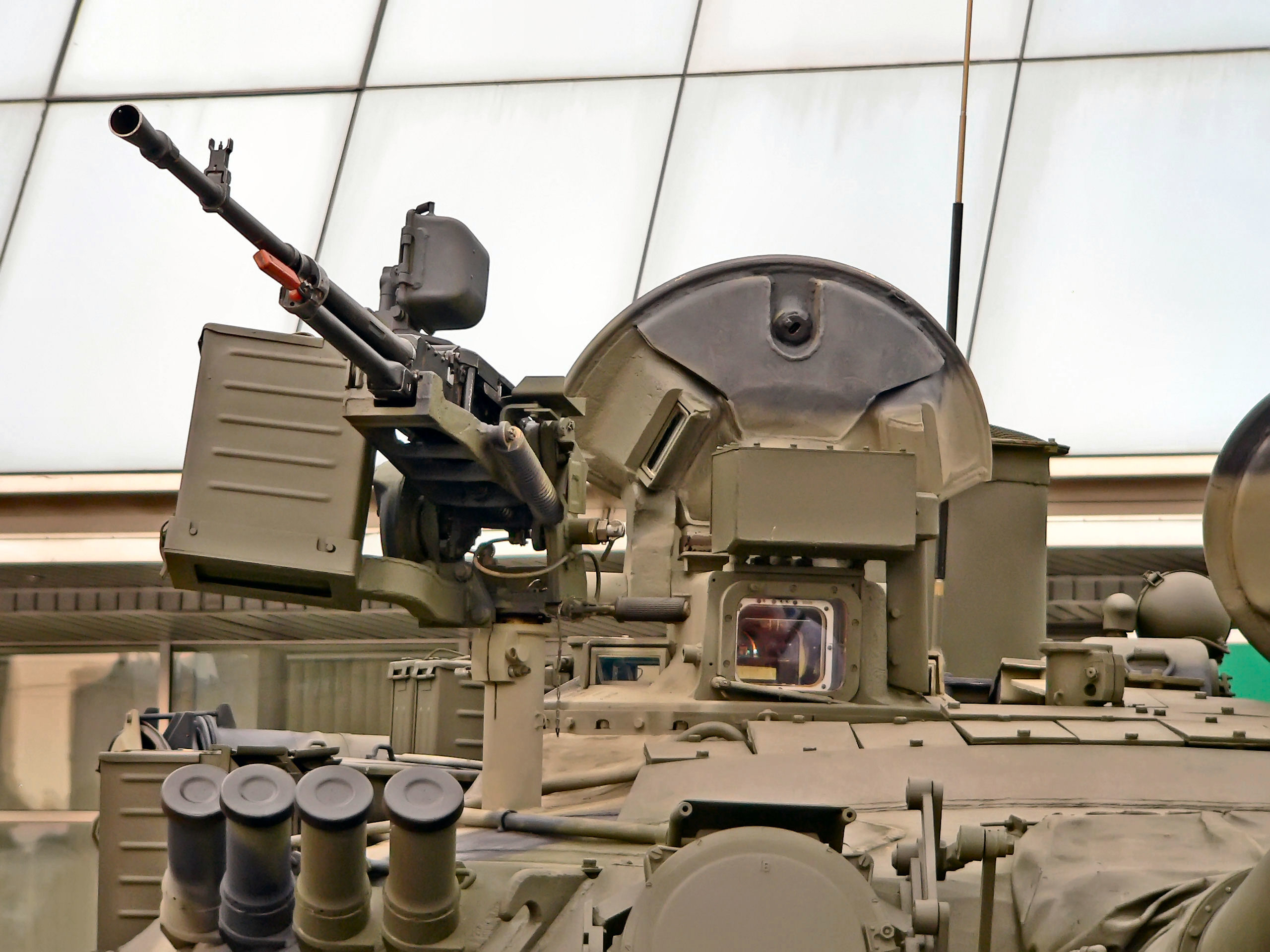
The crew arsenal includes an AKMS assault rifle, grenades and a signal pistol. The fire control system has a positive effect on combat effectiveness.
Evaluation of the T-80
Opinions are contradictory. If we consider disadvantages, we should mention high fuel consumption, high cost, far from perfect mechanism of shell loading. Quite often the vehicle flies into the air due to detonation of ammunition from an RPG shot.
Riflemen remain dissatisfied with insignificant angles of elevation and declination of the gun. The designer L. Kartsev stated that the general designer of the Kirov plant N. Popov was able to convince the government to adopt a far from the best machine.
There are also positive assessments: the director of Spetsmash LLC noted the machine's operational readiness in severe frost. Thanks to the GTE power turbine, the tank's internal combustion engine will not stall even if it comes into contact with a rocky mountain. The vehicle has excellent cross-country capability and smooth running.
Compare the T-80BVM and the Leopard-2
The former Syrian Defense Minister spoke well of this vehicle. M. Tlas stated that the T-80 is superior to the German Leopard-2. The latter has been in service for more than 20 years, while the Russian machine has been in service for only 4 years. The German tank is taller, longer and wider, it is heavier by almost 17 tons! The Russian design has only three tankers, the German one has four.
In terms of armor protection they are roughly equivalent and are equipped with dynamic protection. The caliber of the T-80's cannon is 5 mm larger (125 vs. 120). The arsenal of the smoothbore cannon of the updated Russian vehicle has 3 more shells (45 vs. 42). The T-80 has a more practical gas turbine internal combustion engine, while the Leopard has a diesel engine. By the end of 2023, there will probably be real footage of direct combat between these vehicles.
Operators
There are approximately 200 T-80s in service with the Russian Army. These are the "U", "BVM" and "BV" modifications. Nothing is known about the stockpiles. Quite a lot of vehicles are in the tank forces of the AFU (Ukraine). According to modest estimates, there are about 170 units in service, nothing is known about the number of vehicles transferred by allies.
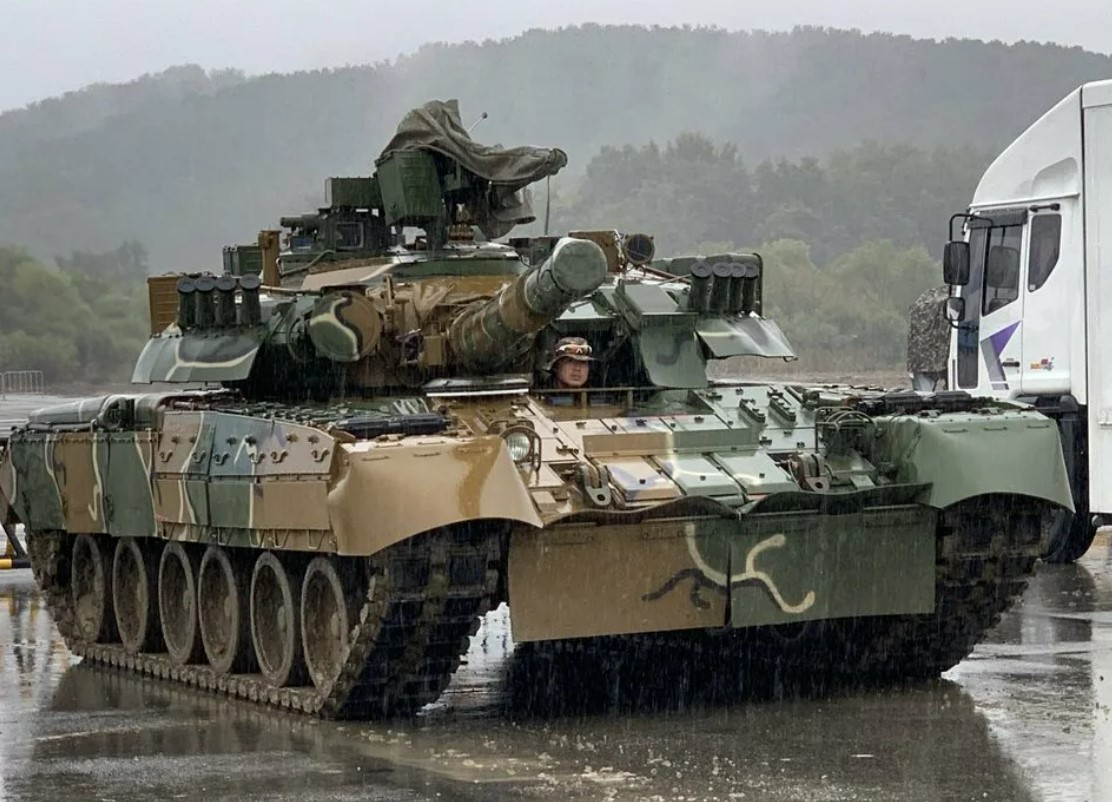
Six years ago, Cyprus had 82 T-80Us in service. 40 T-80U units are in the arsenal of the Republic of Korea.
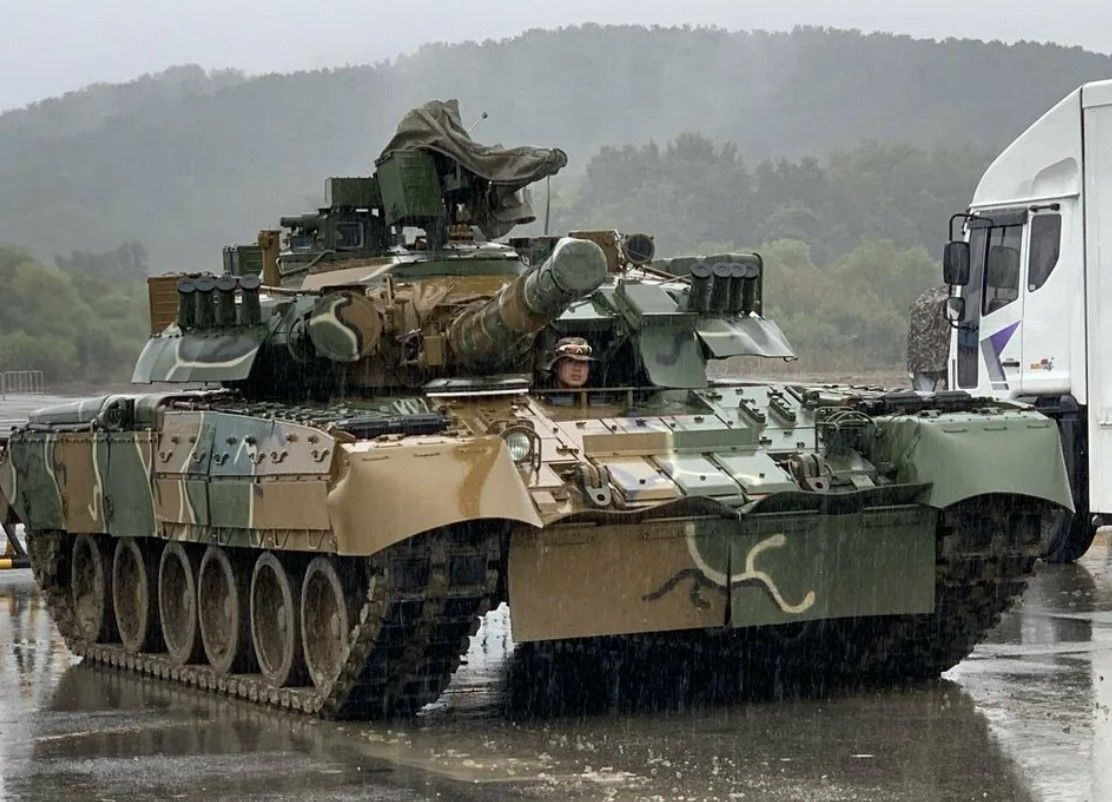
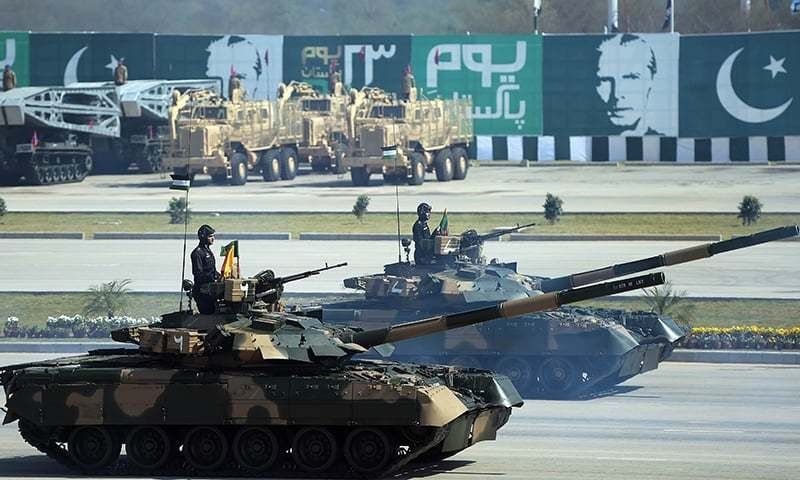
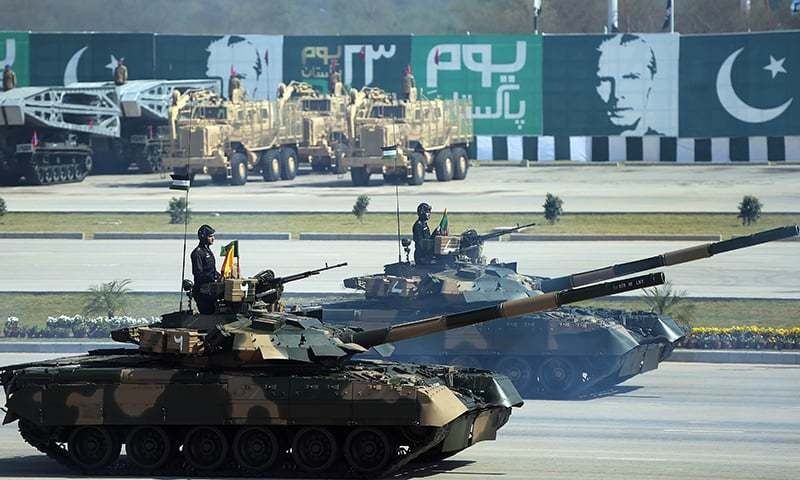
The tank is no longer in service in Angola, Egypt, Uzbekistan, Azerbaijan and Belarus. About 315 vehicles are in the Pakistan Army.
In 1992, several units were acquired by England in a roundabout way. Four tanks were transferred to the USA by Ukraine - the equipment was needed for technical research.
Participation in military conflicts
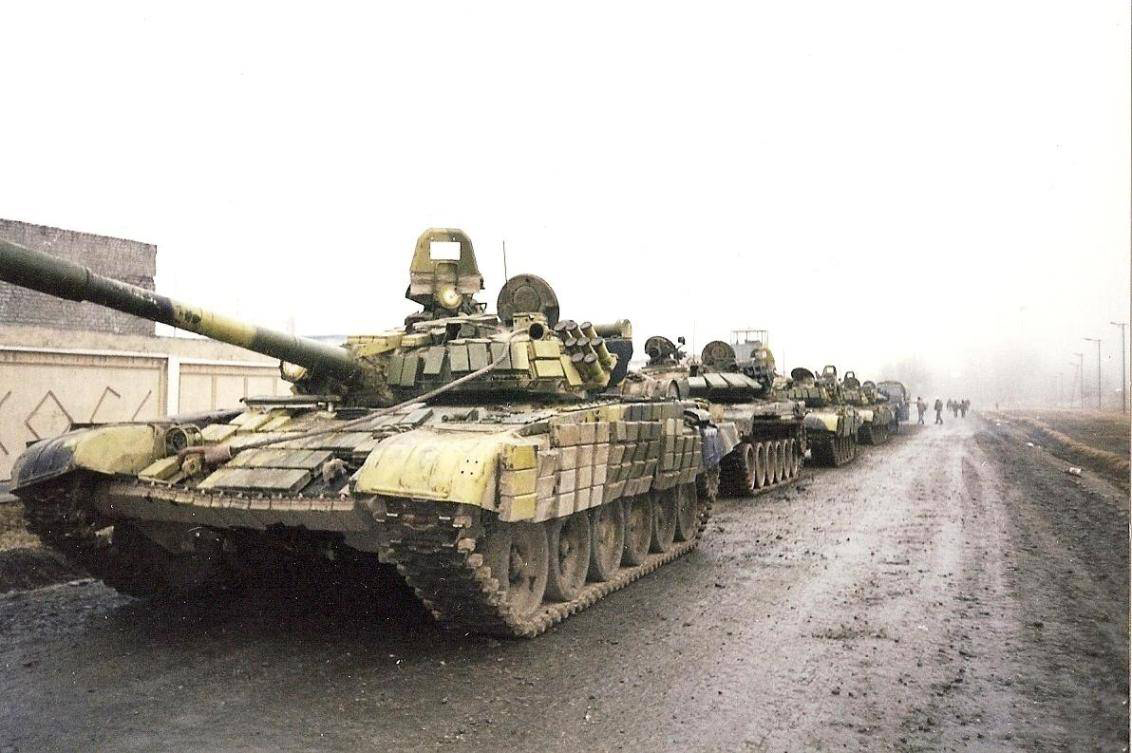
The work of the tank could be observed for the last 30 years. In October 1993, six units of the T-80UD fired on the building of the Russian Armed Forces. A year later, the vehicle became an active participant in the First Chechen War - dozens of vehicles were destroyed with a conventional RPG-18.
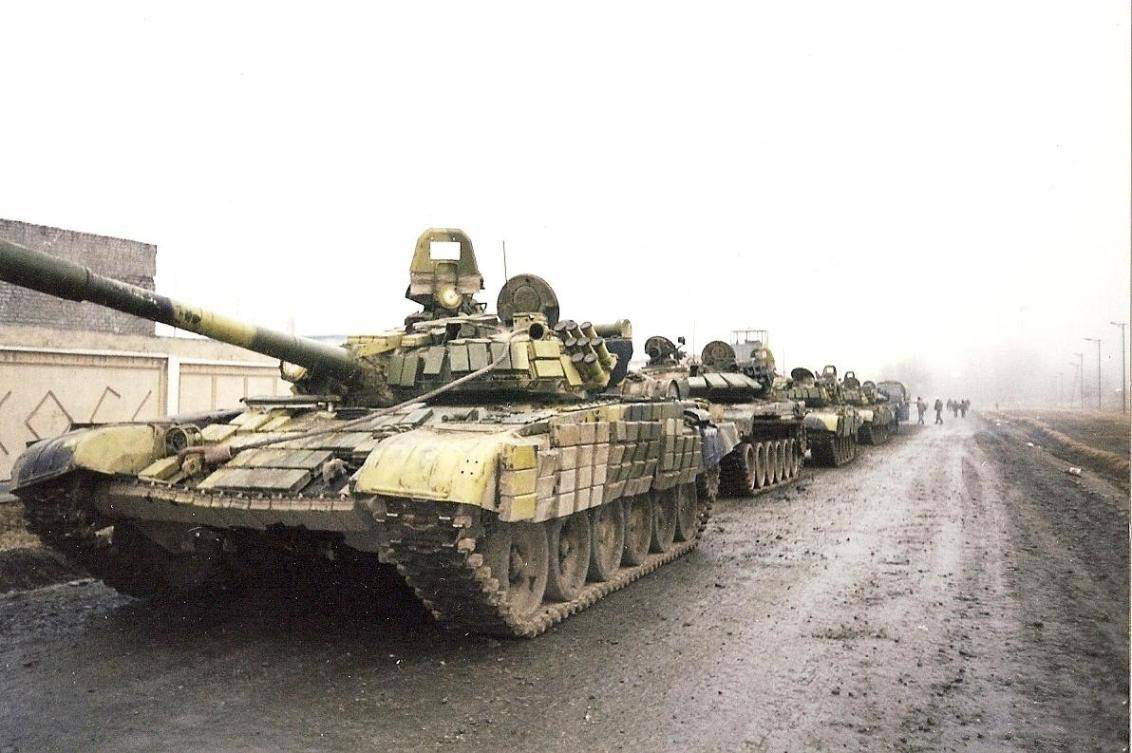
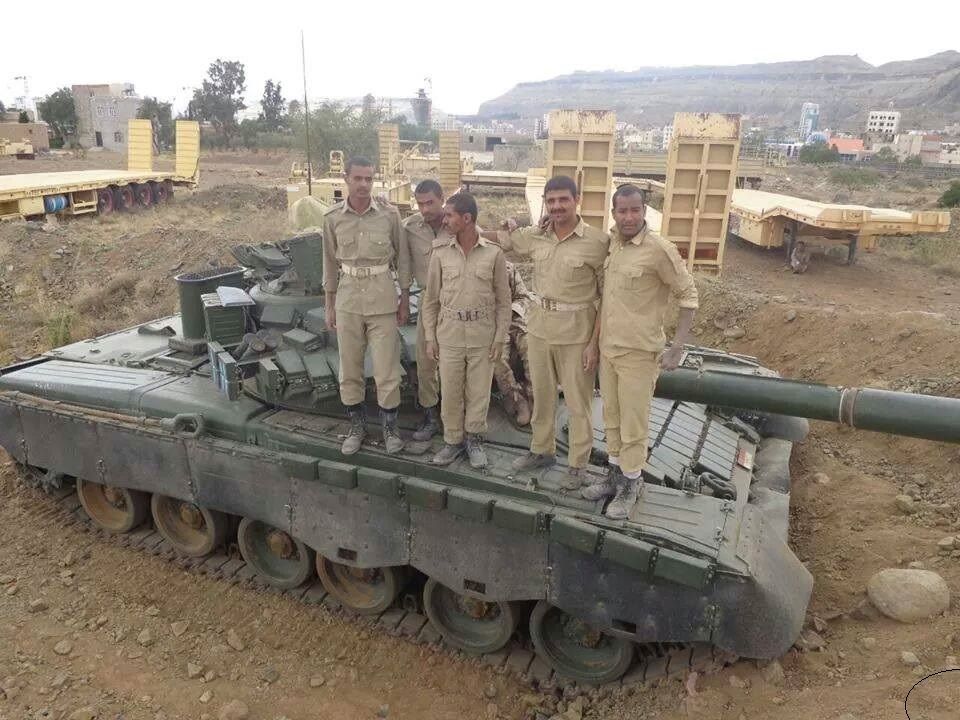
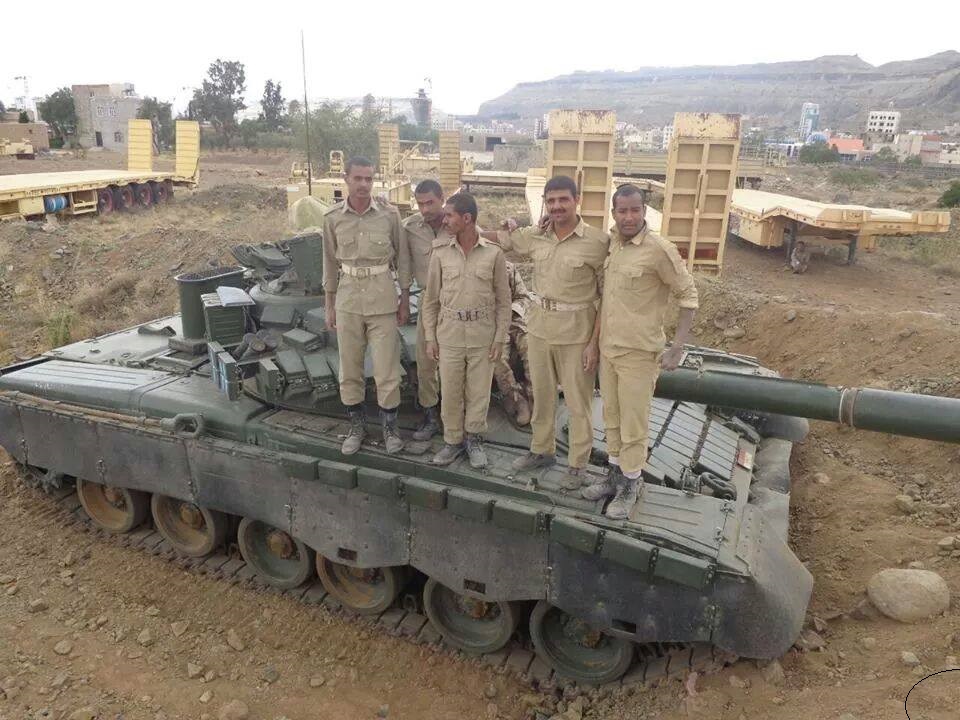
Combat operations showed both the advantages and disadvantages of the T-80. The participation of this tank in the Second Chechen War is controversial. In winter 2015, a modification of the T-80BV was seen during the war in Yemen.
The maximum use of most modifications of the T-80 is described during the SWO. These tanks are available on both sides of the conflict, there are hundreds of destroyed units, many vehicles were simply abandoned on the battlefield. Detonation, turret detonation, mortar hit - there are a lot of such cases.
Tank in culture
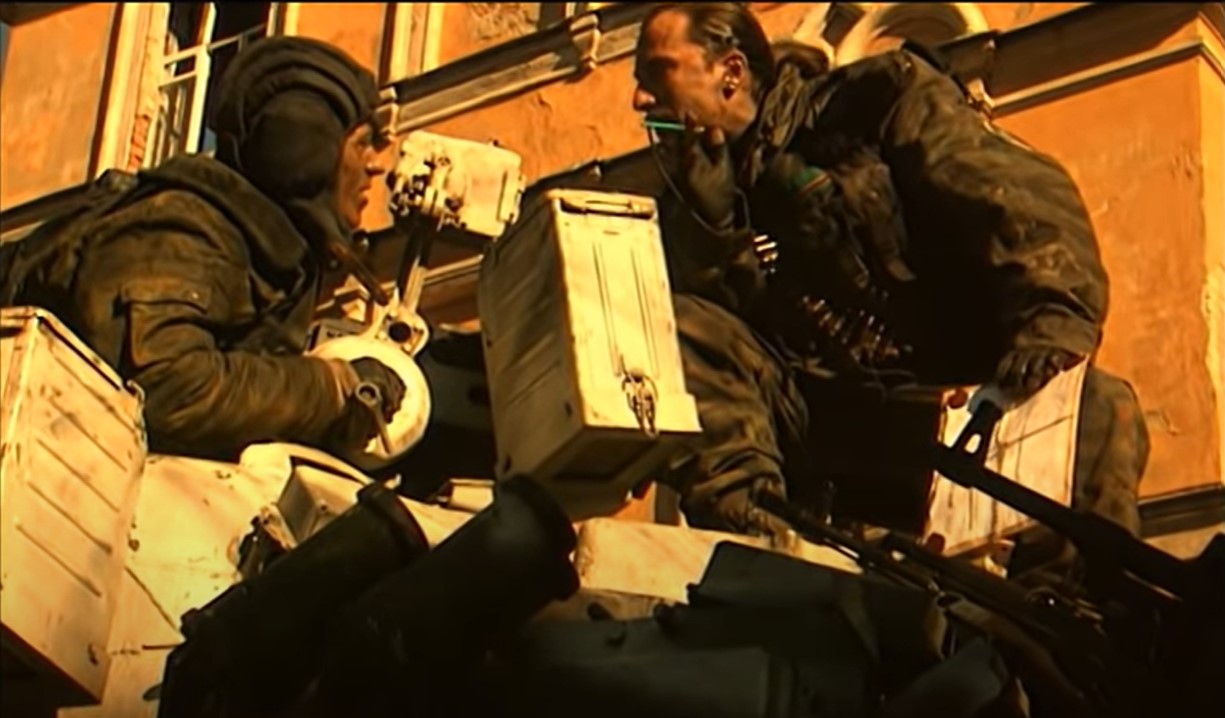
The abundance of produced models allows you to use the fighting machine in the movie. In 1997 A. Nevzorov's movie "Purgatory" was released, showing the events during the storming of the city of Grozny in Chechnya. The Chechen field commander, played by Russian actor Dmitry Nagiyev, offers tank driver Grigorashchenko to switch to his side.
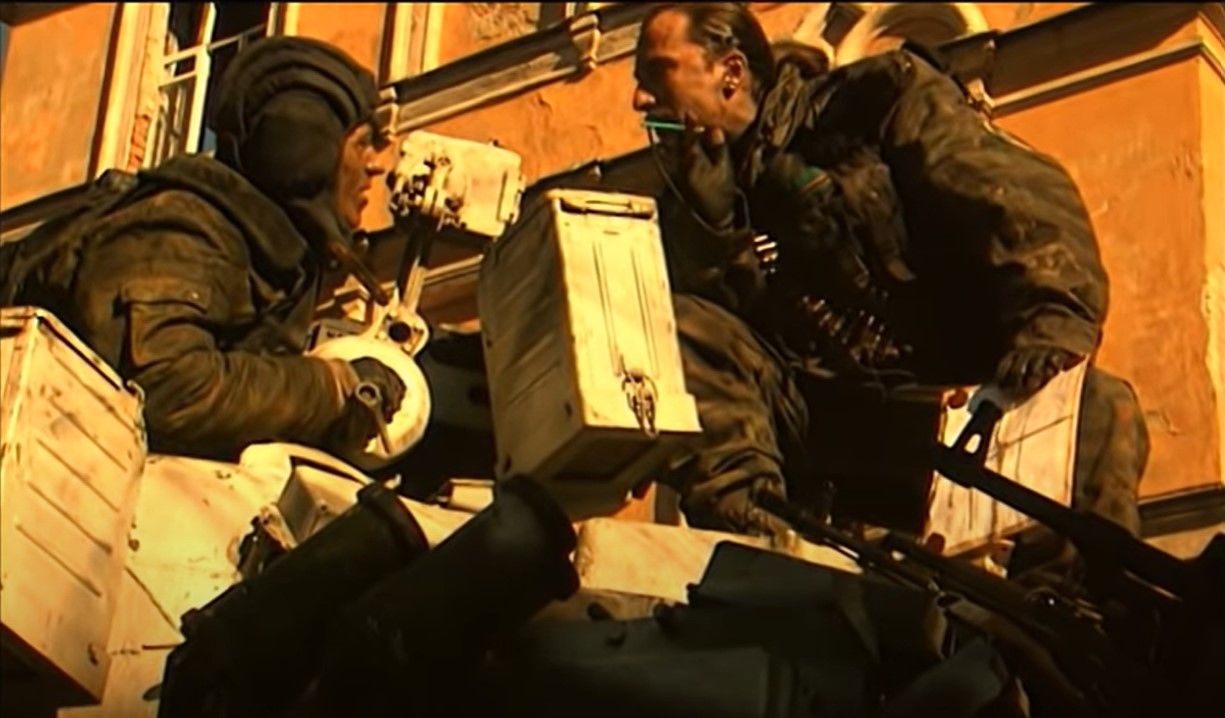
Connoisseurs noticed that the filmmakers used two T-80s, but concealed it with a single license plate. This model appears in documentary films. As an example, we can call "Strike Force. Bite of the cobra." About this machine tells the TV channel "History". T-80 is seen in a games:
- Armored Warfare: Project Armata. Almost all modifications of T-80 are present in the entertainment.
- War Thunder. The player can choose a lot of modifications and adapt the toy to the winter quest.
- Call to Arms. Models T-80UD and T-80BV are present in the arsenal of the army of the Russian Federation, with their help fight and terrorists.
The tank can be seen in military parks and at exhibitions in Russia and CIS countries. Tver, Togliatti, St. Petersburg, Cherepovets - in these and other cities you can be photographed against the backdrop of the T-80.