Types of coffee grind - which are best for different brewing methods
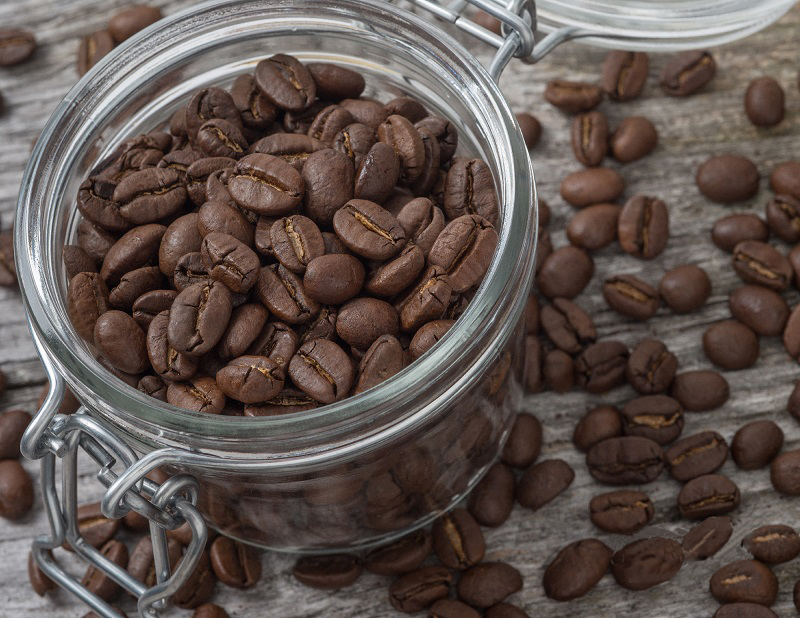
Coffee is an invigorating beverage made from ground coffee beans. Each coffee drinker has individual preferences regarding the variety and brewing technology. Also, the quality of the resulting beverage depends on the degree of grinding, which affects its taste and aroma.
Extraction process
Coffee contains water-soluble components - trigonaline, chlorogenic acid, sucrose, caffeine, reduced sugar. They shape the flavor when brewed. Essential oils are responsible for creating the aroma.
Activation of components occurs under the influence of hot water. With fine grinding, substances are washed out faster, but the reaction rate is different.
The extraction of soluble compounds from the ground grains is called extraction. When brewing, this process goes through three stages corresponding to a certain flavor nuance:
- Acidity. Arabica emphasizes the inherent sourness of the variety.
- Sweetness. Compounds with sweet, berry-fruit or chocolate flavor nuances are highlighted.
- Bitterness. Formed by saturation of water with caffeine, tannins and the breakdown of chlorogenic acid.
The duration of each stage is determined by the method of preparation. If the beans are heavily ground, the first and second stages proceed quickly. In the third stage, it is important to interrupt the extraction in time so that the beverage does not become too strong or too bitter.
Basic grinding grades
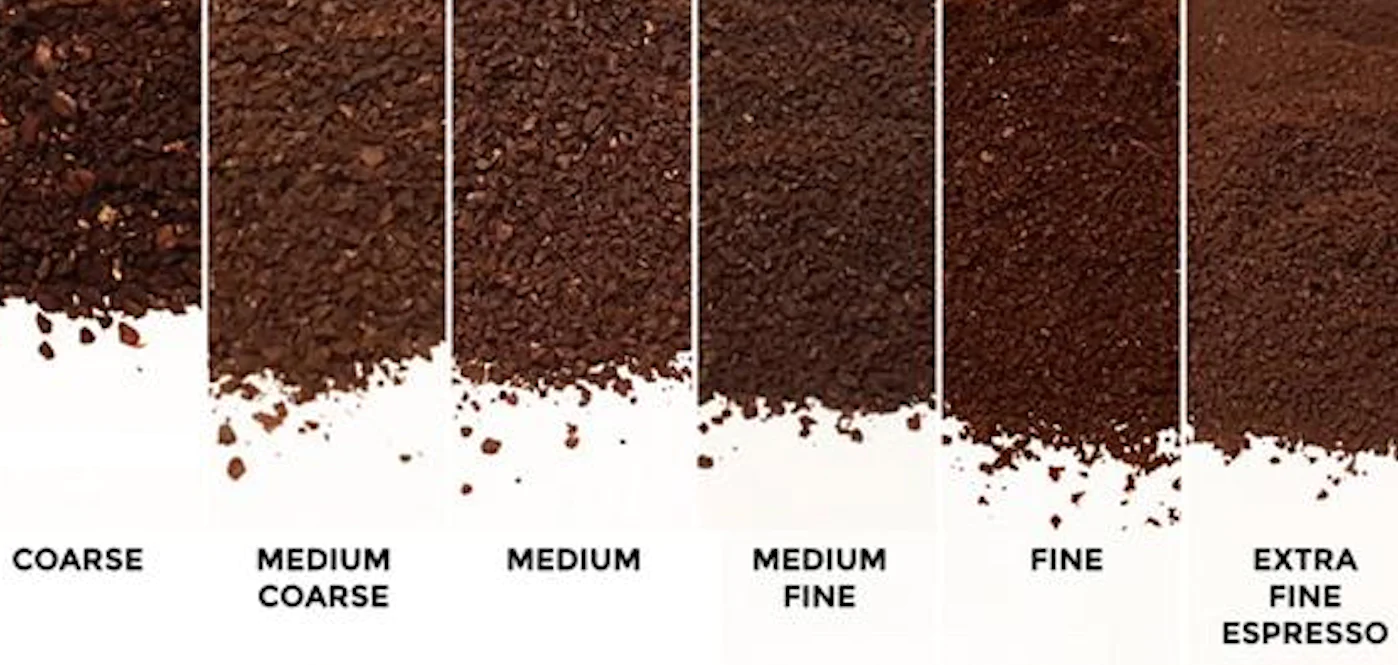
There are five basic degrees of grind. Each is designed for a specific brewing technique. The list of grinding varieties is as follows:
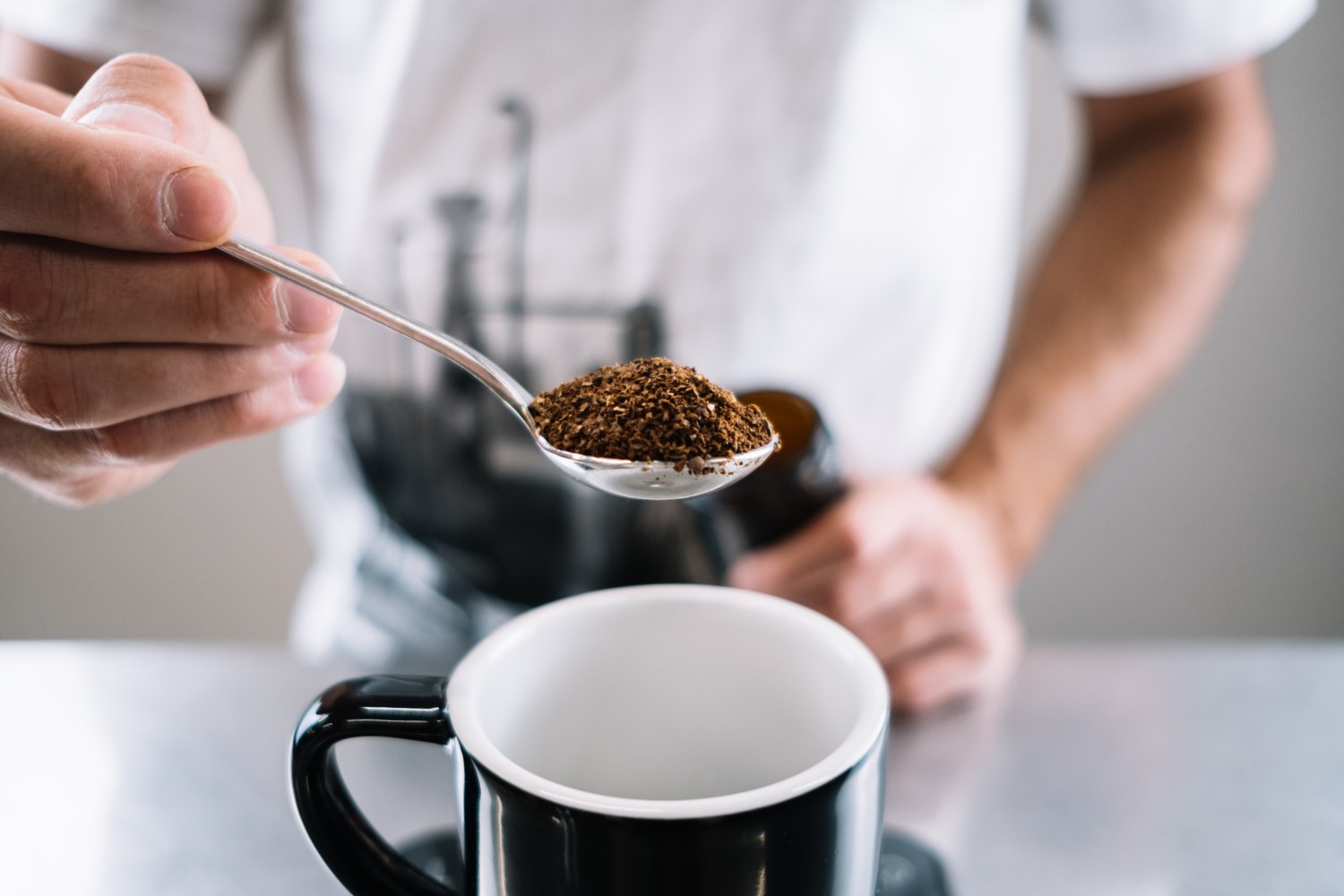
- Coarse. Fraction in the range of 1 mm, looks like crushed tobacco or sea salt.
- Medium-coarse. Positioned as universal, used by most brands producing coffee products. Visually resembles the consistency of sugar or sea sand.
- Medium (fine). Feature - intensive extraction with a high level of caffeine release. Looks like coarse powdered sugar.
- Fine under espresso. Has a fraction similar to ground salt.
- Ultra-fine, "in the dust." The particles are similar to cinnamon.

It is recommended to choose the degree of grinding based on the method of brewing. In this process, the equipment used to prepare the flavored beverage is essential.
Equipment for grinding beans
The real coffee flavor is obtained only from a freshly ground product. In order for the result to please the taste, it is important to competently choose a coffee grinder. They come in two types:
- Grain (working from electricity or manual).
- Rotary (electric).
Grinders
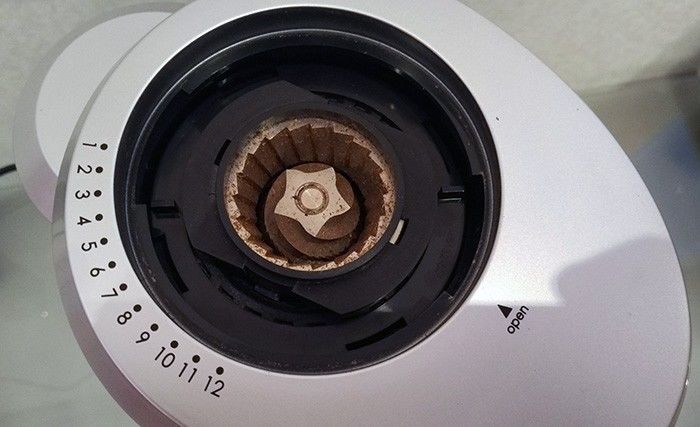
Ground coffee grinders work by grinding the beans. Manual models are represented by two types:
- Turkish. Made in the form of a cylinder, on top of which there is a rotating handle.
- European. In the form of a mill.
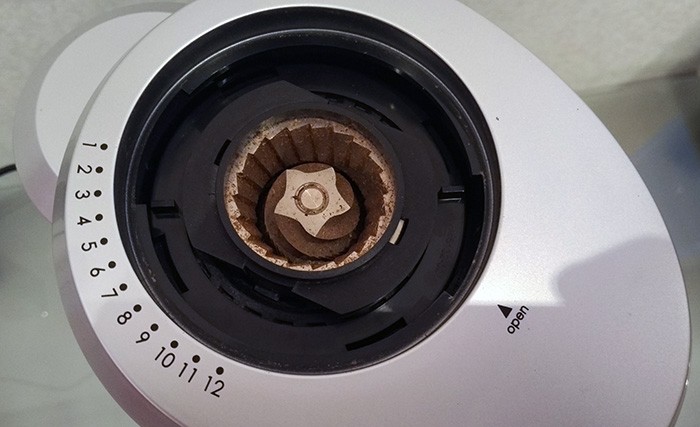
The millstones of such devices are made of stone, steel, cast iron and ceramic. The distance between them, depending on the desired degree of grinding, is set manually.
Electric grinders belong to the category of professional grinders. Their advantage is in the uniform, fast grinding and the presence of a dispenser (not in all models).
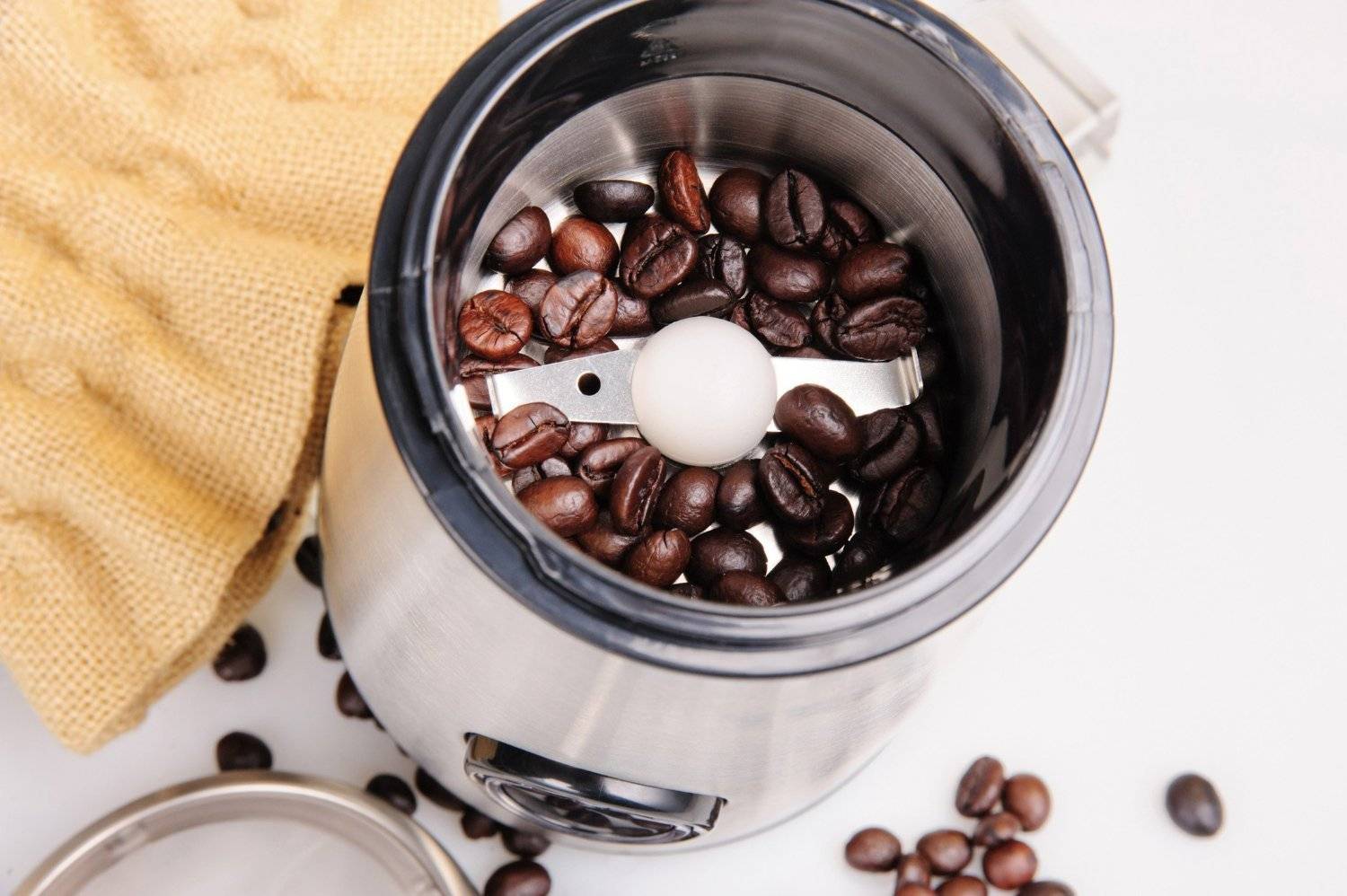
Rotary

The principle of operation of rotary coffee grinders is grinding by means of knives. When the device is switched on, the knives start to rotate and crush the beans. It is difficult to regulate the uniformity here, the grind comes out uneven.
To correct this shortcoming, the process is started several times, at intervals shaking the contents. The quality of crushing is thus improved, but prolonged use of the device leads to overheating and the appearance of the odor of burnt coffee beans.
Methods of brewing
There are many methods and devices for brewing ground coffee. An easy and quick solution is coffee machines. The brewing procedure does not require human effort - the work is done by automation. Especially for these units invented a degree of fine grinding "for espresso".
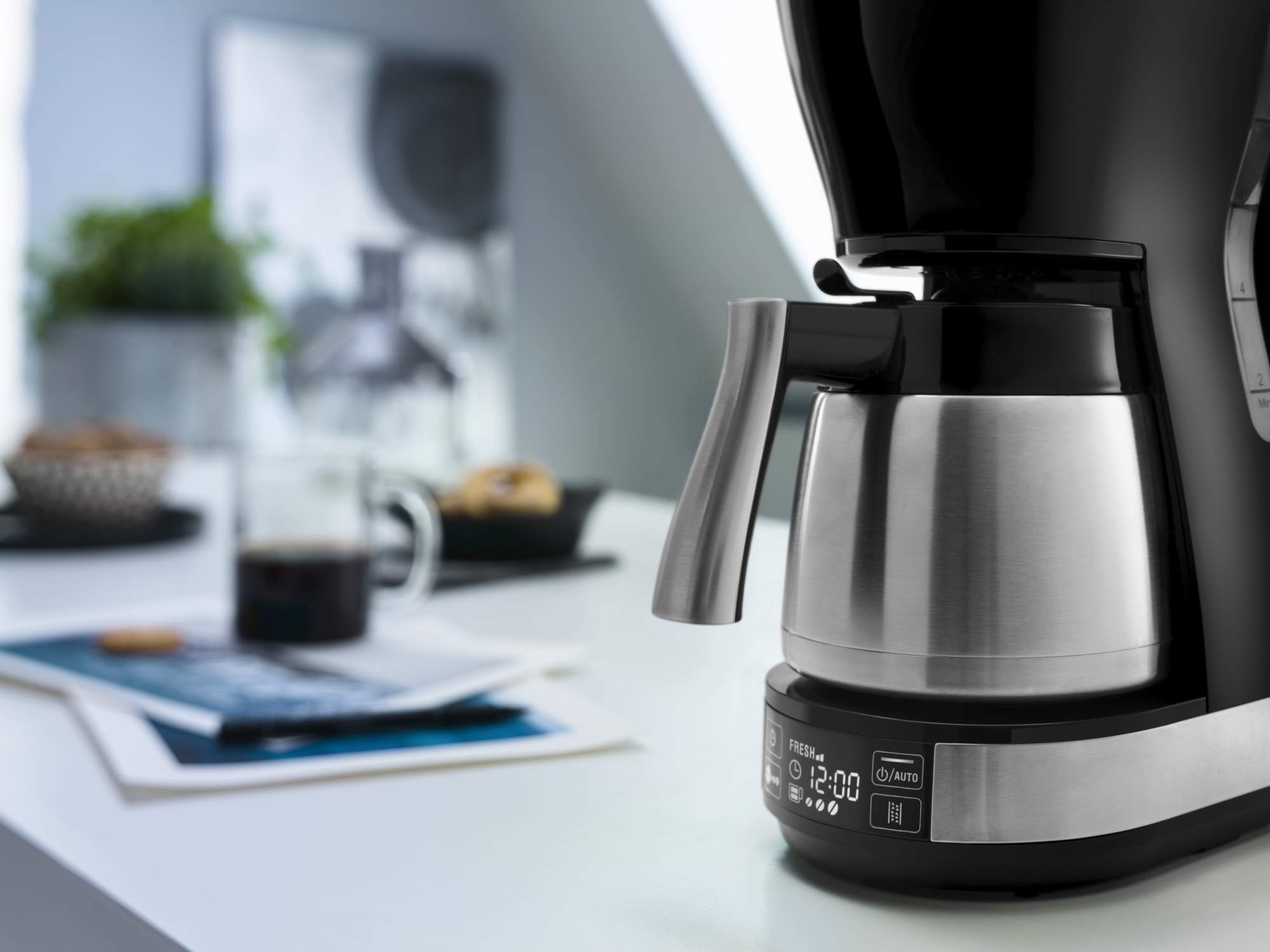
Drip coffee machine
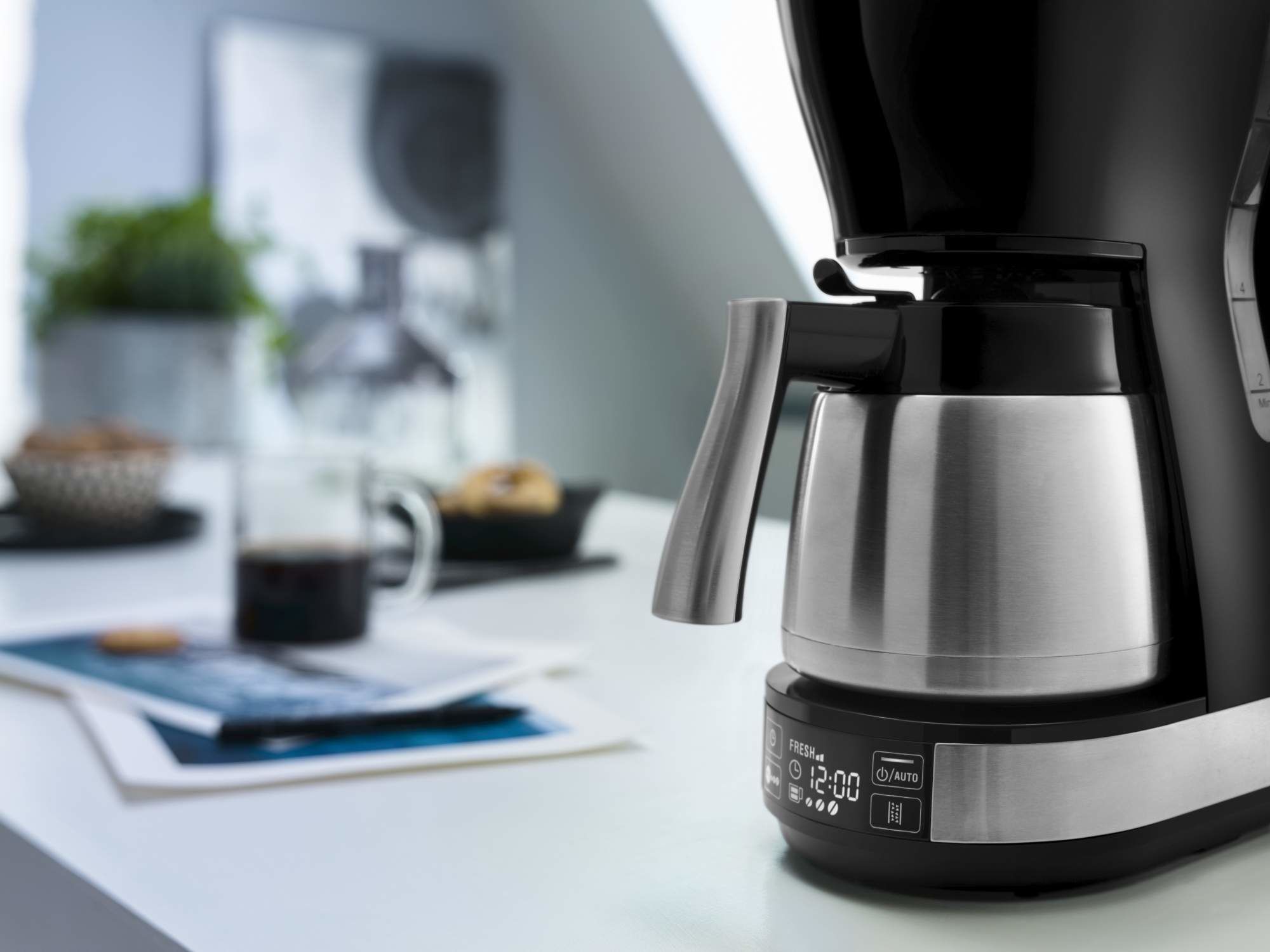
Drip coffee makers also require minimal effort and time to brew. The ground beans are processed by steam from heated water. The ideal grind is medium-coarse.
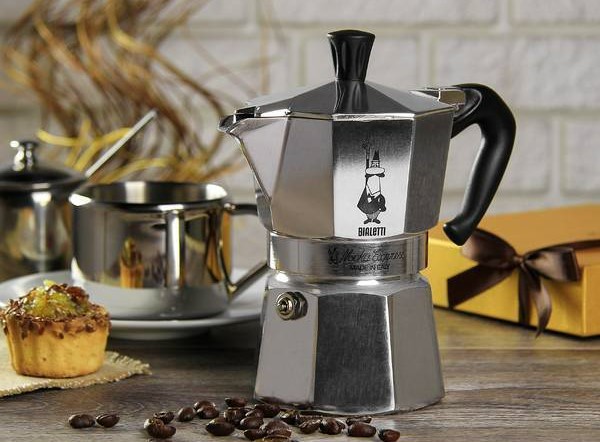
Geyser coffee maker

If you are using an Aeropress or a geyser coffee maker, choose a medium or fine grind. If the grind is fine, the flavor comes out with a piquant bitterness. In a geyser coffee maker, the coffee should be poured into the coffee without tamping, so that the water will wash out the necessary substances more quickly and completely.
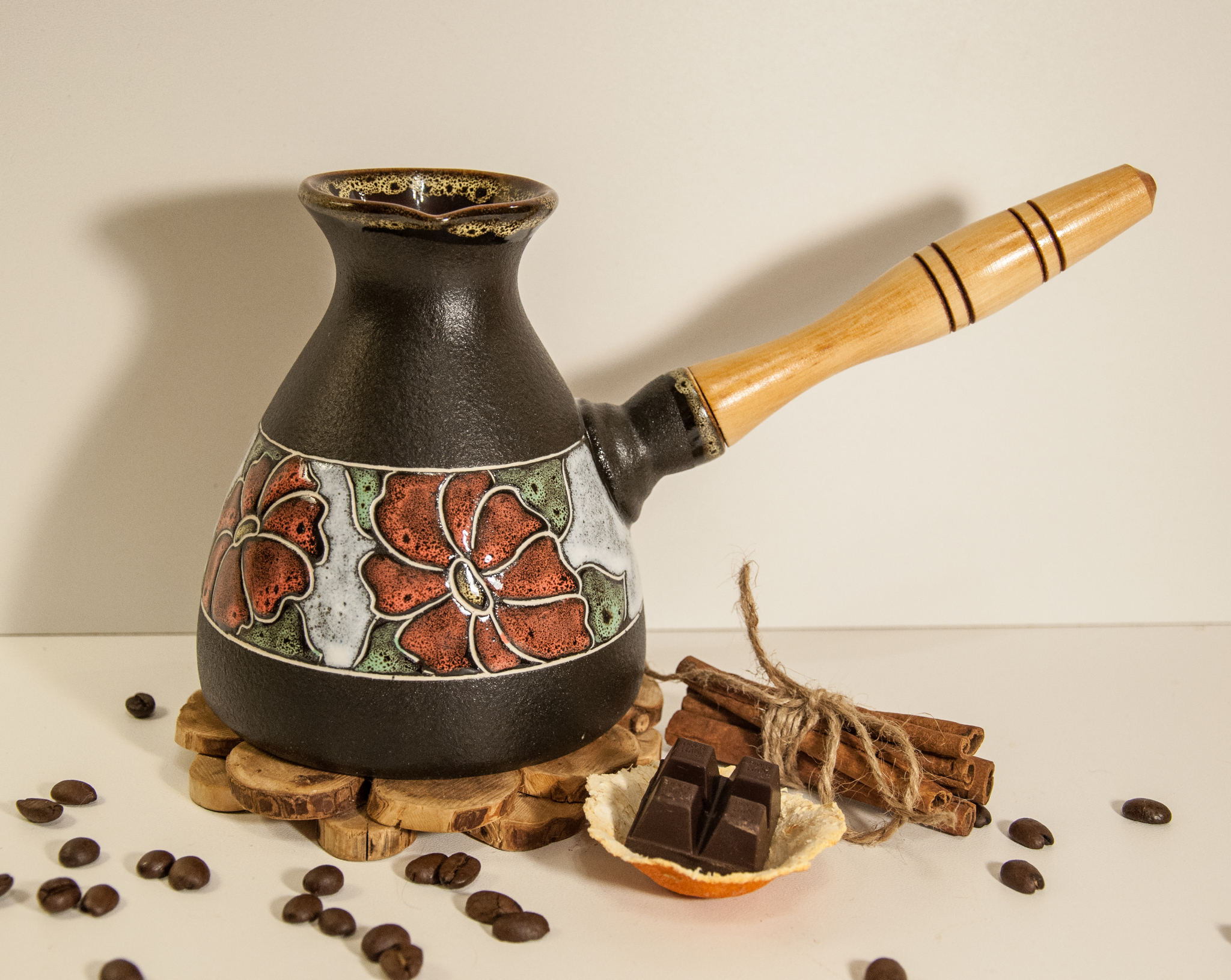
Turka
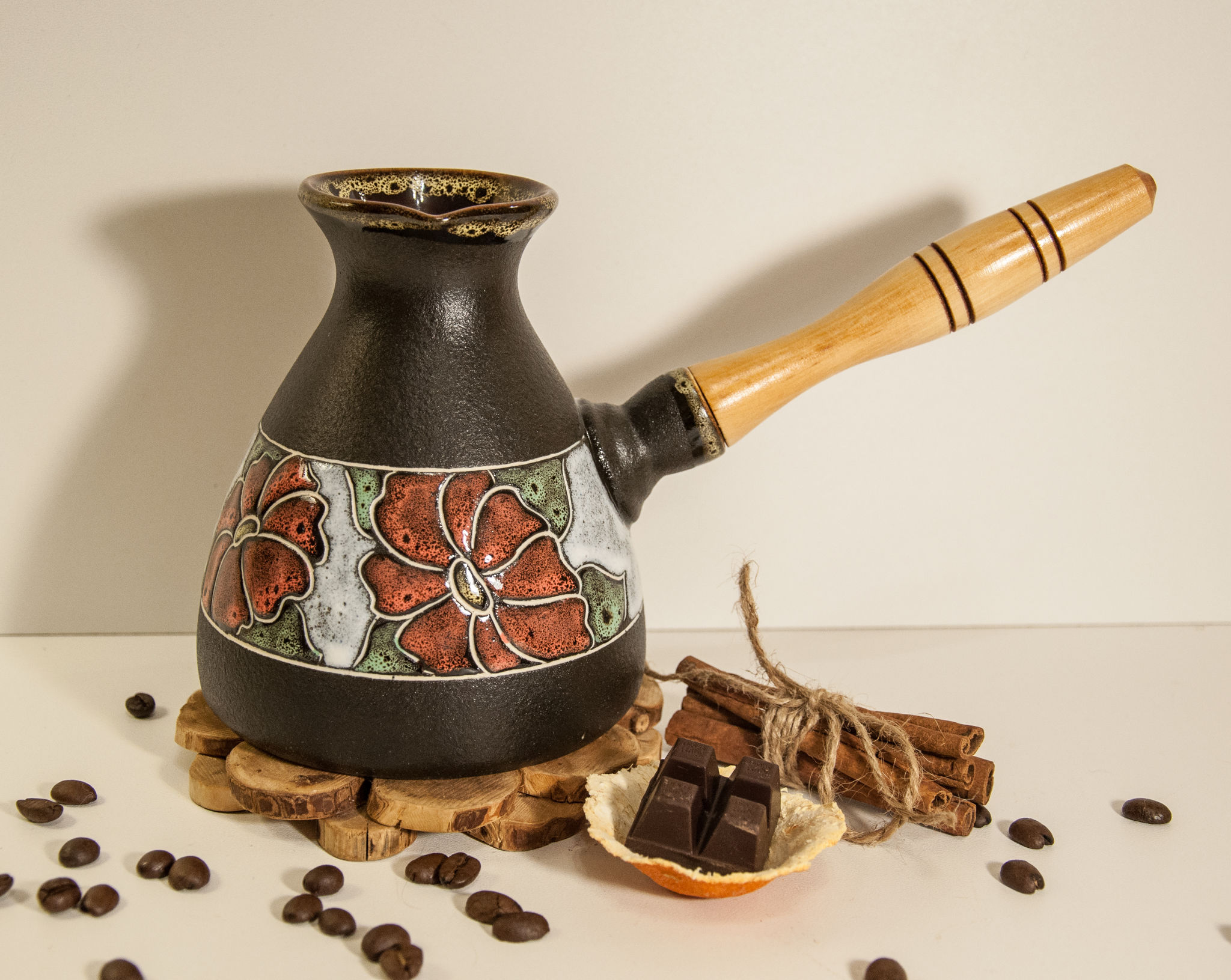
In a jezve (turba) is cooked on open fire, induction and electric stoves, on sand and hot stone. It is the most accessible method, causing rapid extraction. Ultra-fine grinding works well here. It saturates the liquid, making it thick and flavorful.
French press
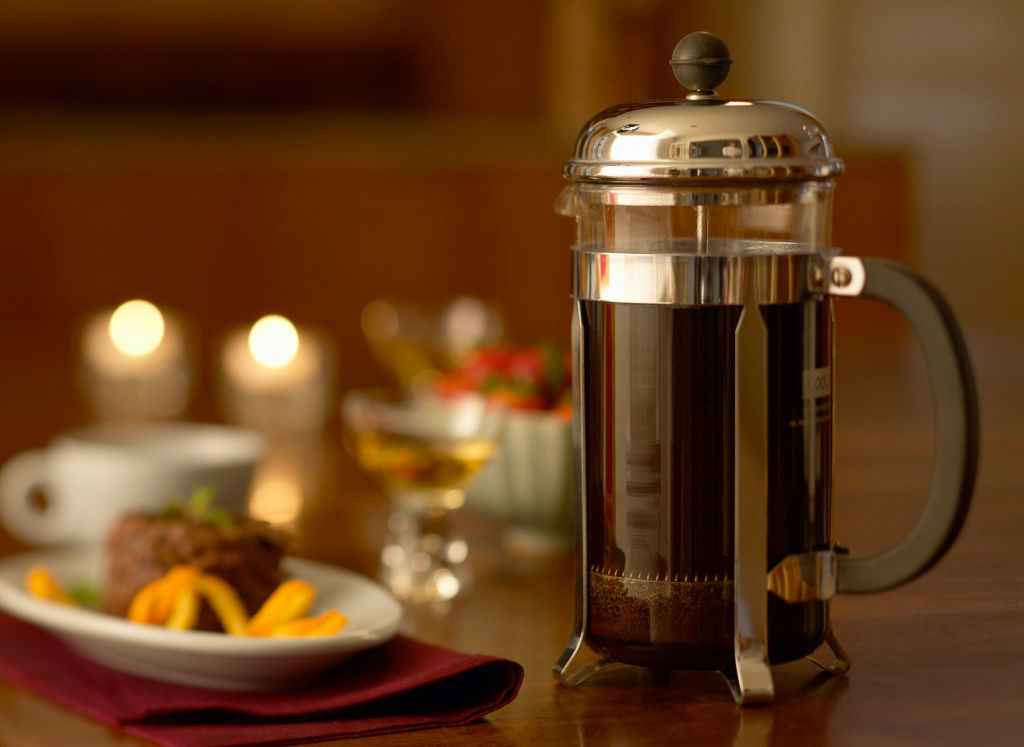
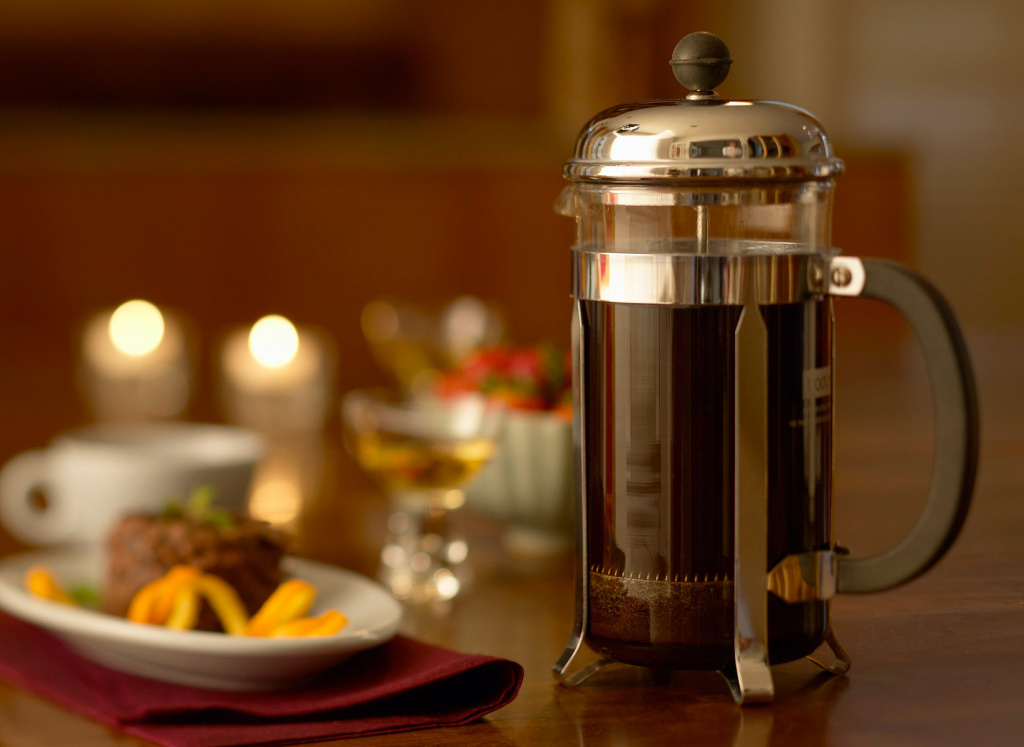
Brewing in a French press requires a soaking time. The crushed grains are infused in hot water. Extraction should last at least 4 minutes, so coarse grinds are used here.
Alternative methods
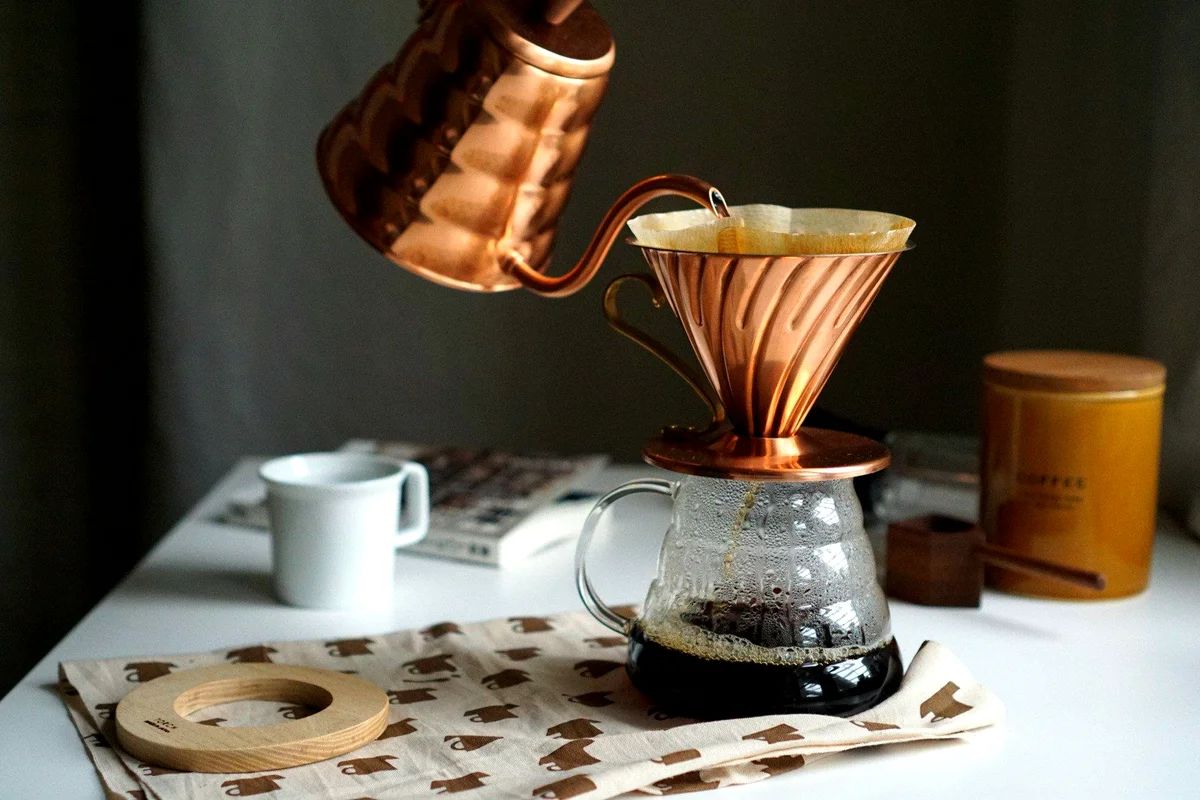
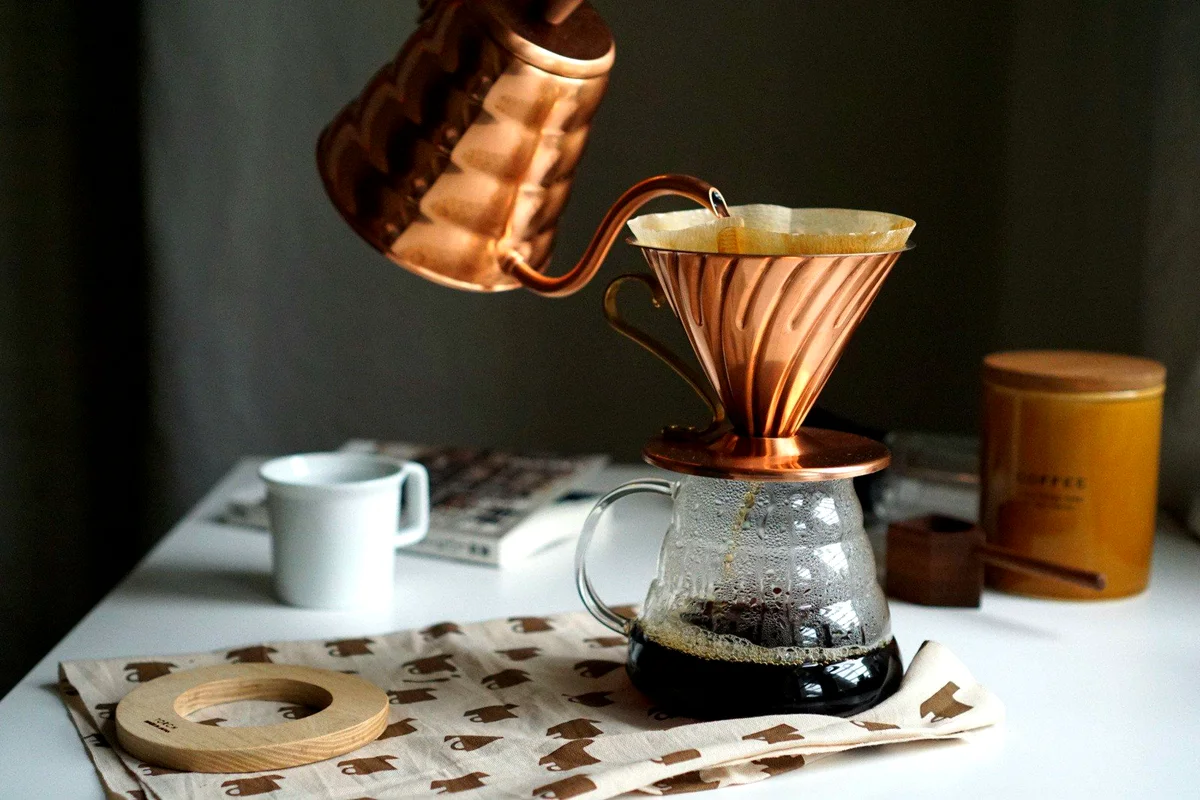
Brewing with a kemex, clover, siphon or pourover is considered an alternative method. To obtain a quality beverage, the water needs to pass through all the particles. Therefore, in this method, it will be better to take a medium-coarse or medium grind.
Coffee in a cup
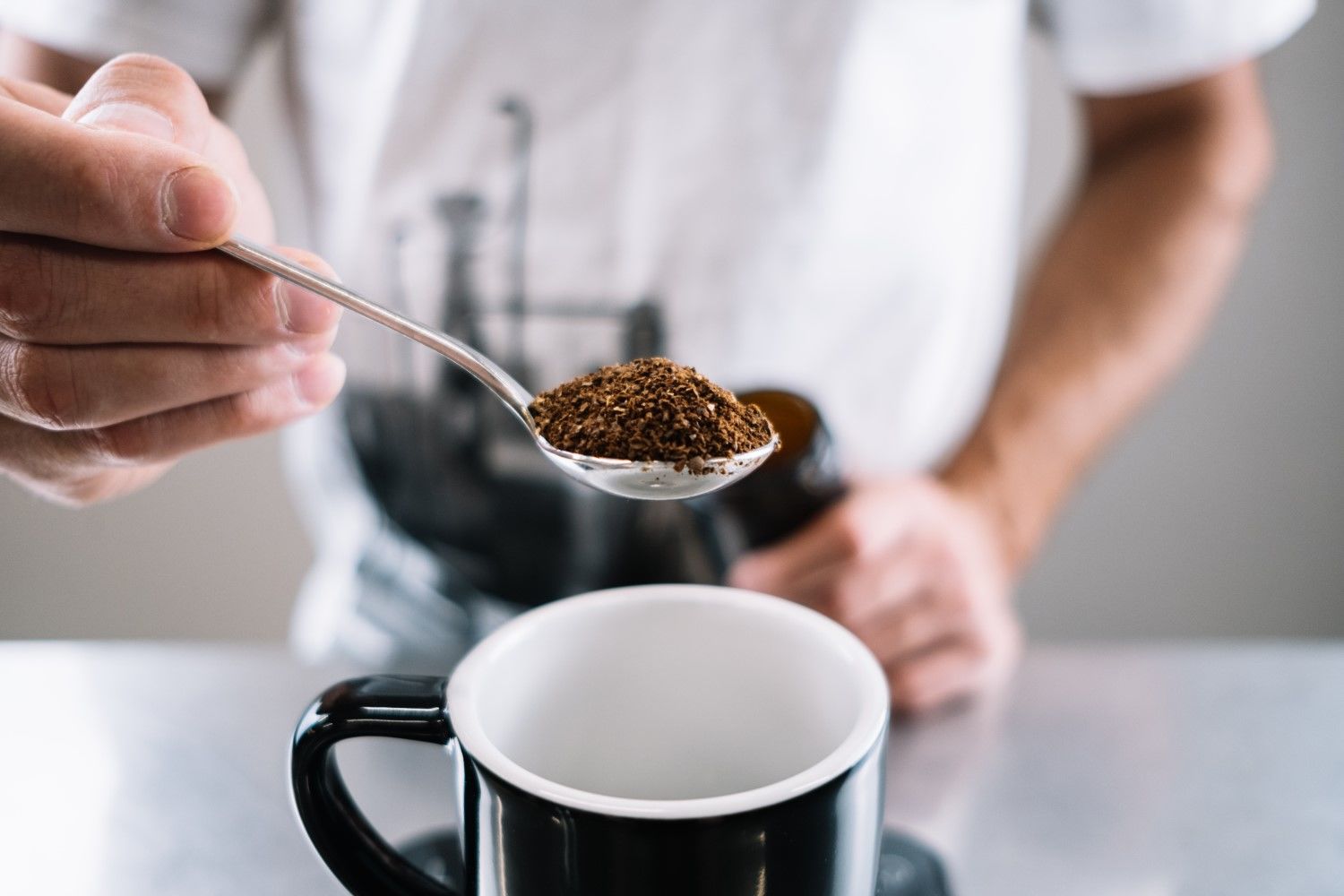
Brazilian cupping or simply coffee in a cup is prepared by pouring hot water. It is recommended not to use boiling water, a temperature of 80-95 degrees Celsius is enough. The infusion process is long (up to 5 minutes), so it is optimal to take coarse-ground coffee.
When choosing a coffee grinder, the technology of preparation and the degree of grinding, it is important to observe its uniformity. Only the same fraction will be able to convey the whole gamut of nobility of aroma and richness of flavor. Also do not forget about the proper storage of coffee beans so that they do not lose their flavor.