How to properly store coffee beans - tips for those who appreciate good coffee

Coffee plays an important role in the lives of many men. For some, it is a necessary energizer in the morning or a dope for closing a hung task at night; for others, it is a sensual experience akin to enjoying fine wine.
But in any case - you want to enjoy a quality rich flavor, and the conditions of storage of grains in this are of paramount importance. In this article we will understand the peculiarities and ways of storing coffee beans, explore the subtleties and special solutions.
Anatomy and types of coffee beans
Understanding what a coffee bean is will help you store it better. A coffee bean is the seed of the Coffea plant, originally found in a red-colored berry.

The color can also be yellow, orange, or pink. Once extracted, the seeds usually go through several processes including drying, roasting, and sometimes aging.
Types of coffee beans
- Arabica: Known for its wide flavor range from sweeter to more tart flavors.
- Robusta: Generally a stronger and more bitter variety, containing more caffeine compared to Arabica.
- Liberica: Unique flavor with a somewhat woody or nutty undertone.
- Excelsa: Often used to add tart fruity flavors to blends.
Different types of coffee beans may have slight differences in storage methods due to unique oil content and cellular structure, but the following recommendations will be relevant to all methods.
Enemies of coffee beans
Air
Oxygen contributes to the oxidation process of coffee beans. Oxidation is the enemy of freshness, destroying the oils that carry the flavors we love. Vacuum sealed containers are particularly effective at fighting air.
Moisture
Water can be harmful for a variety of reasons - such as causing mold or also triggering premature oxidation. Coffee beans should be stored in a dry place, away from moisture and dampness. If the humidity is high in the sea or lake area, dehumidifiers can be used.
Heat
Higher temperatures speed up all kinds of chemical reactions, including oxidation. This means that it is undesirable to store coffee beans near a stove or oven, or in a refrigerator from which warm air escapes.
Light
Both natural and artificial light can accelerate the deterioration of coffee beans. Particularly harmful are ultraviolet rays, which cause destruction of the bean structure at the cellular level.
Standard methods
Sealed containers

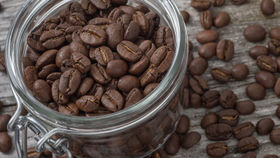
Airtight metal, glass or ceramic containers effectively protect the grains from air and light. These containers should be fitted with rubber or silicone seals to ensure complete tightness.
Dark cool rooms

A dark closet or pantry located away from sources of heat and moisture is ideal - the key is not to put it too far away, lest you forget they exist at all.
Vacuum storage

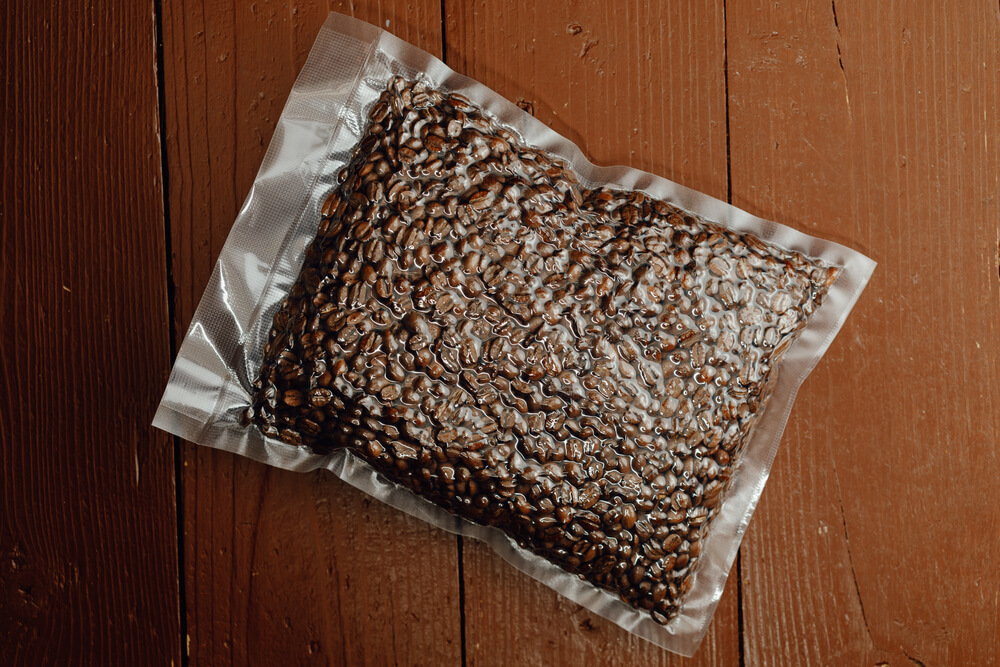
If you travel frequently or want to buy in bulk, vacuum sealing can be a great solution for long-term storage. This method virtually eliminates oxidation by removing most of the air from the storage bag.
Inert Gas Flushing
Producers of high-quality coffee often use inert gases such as nitrogen to force oxygen out of the bag before sealing. This significantly slows down the oxidation process and extends the shelf life of the coffee.
Freezing
Freezing is generally not recommended unless you have more beans than you can use in a short period of time. If freezing does become necessary, use a vacuum bag and don't take the coffee out often, as temperature fluctuations can cause moisture and deterioration of quality.
Ground coffee

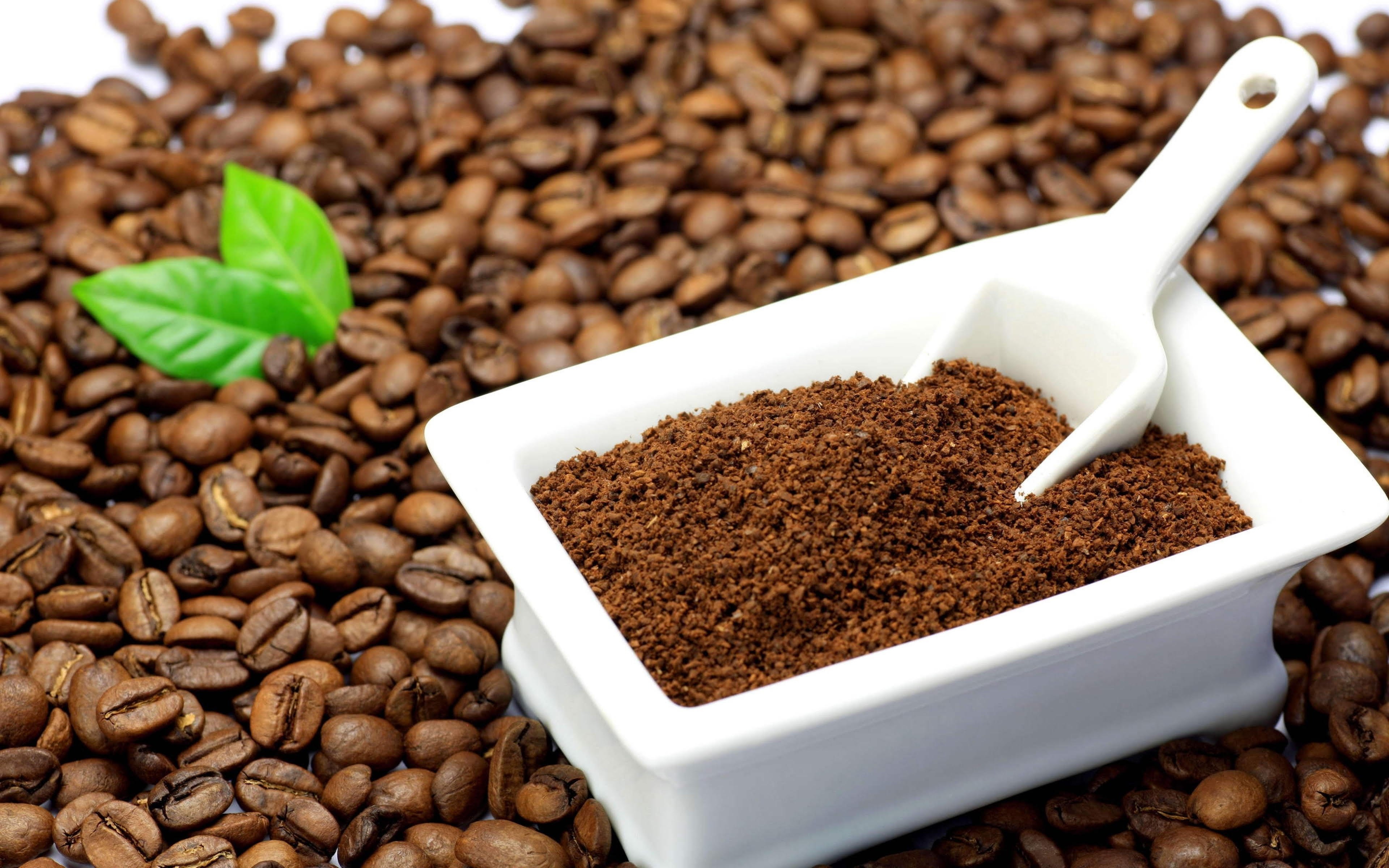
While ground coffee is convenient to brew in some situations, such as in the morning to avoid waking the house with the noise of the grinder, it is much more susceptible to degradation.
The large surface area of ground coffee exposed to air, light and moisture accelerates the oxidation process and loss of flavor. Therefore, it is recommended to grind only the amount that will be used immediately. By the way, you may be interested in the article about the degrees of coffee grinding.
If you take these simple tips for proper storage of coffee beans, it will noticeably affect the flavor of coffee. Proper storage allows you to preserve all the subtleties and nuances of each bean, ensuring that each brewed cup will be not just a portion of caffeine, but a pleasant flavor adventure.