Top 10 most «closed» countries in the world that are hard to get into (or hard to get out of)
Until recently, there was a steady tendency in the world to maximize the opening of borders. This was mainly expressed in the simplification of visa regime, up to its abolition under interstate treaties (for example, Schengen).
However, there are countries where it is not so easy to get to. And sometimes it is simply impossible, and it often depends either on ideological reasons or confessional peculiarities. The reason may also be the "special way" proclaimed by the head of state.
And sometimes the authorities realize the internal problems facing the country and simply do not recommend anyone to come to visit them. They openly say that it is not safe. So restricting visits of "outsiders" is not a rare practice.
Turkmenistan
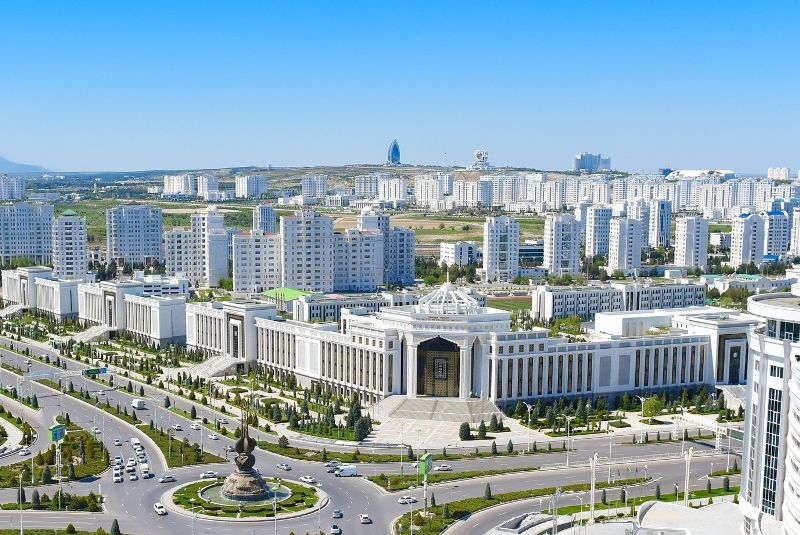
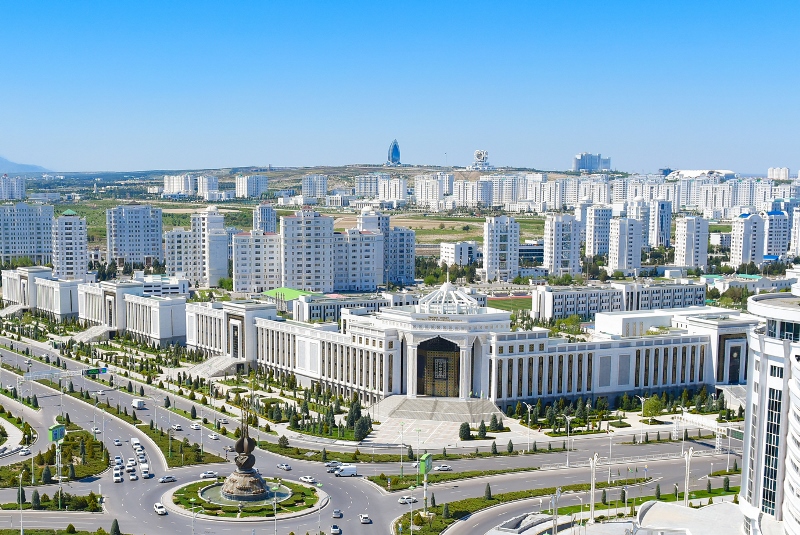
After the collapse of the USSR, Turkmenistan somehow found itself outside the interests of the main founders of the CIS. But the authorities of this country had no regrets about it.
Elected President Safarmurat Niyazov immediately sharply limited communication of this territory with the outside world, and huge reserves of natural gas and oil allowed to build a closed economy with very low prices for public services. The price of this is literally the cult of personality of the president and, in general, the authorities at all levels.
Naturally, no one wanted to let witnesses of the methods of the course being pursued in the country in such a situation. So the authorities of Turkmenistan do not let them in.
And even after the change of the leader (now Gurbanguly Berdimuhamedov rules there), the internal political course has not changed - it is still an authoritarian form of government with strict regulation of any public manifestations. According to experts, Turkmenistan today is the most closed country in the world.
DPRK
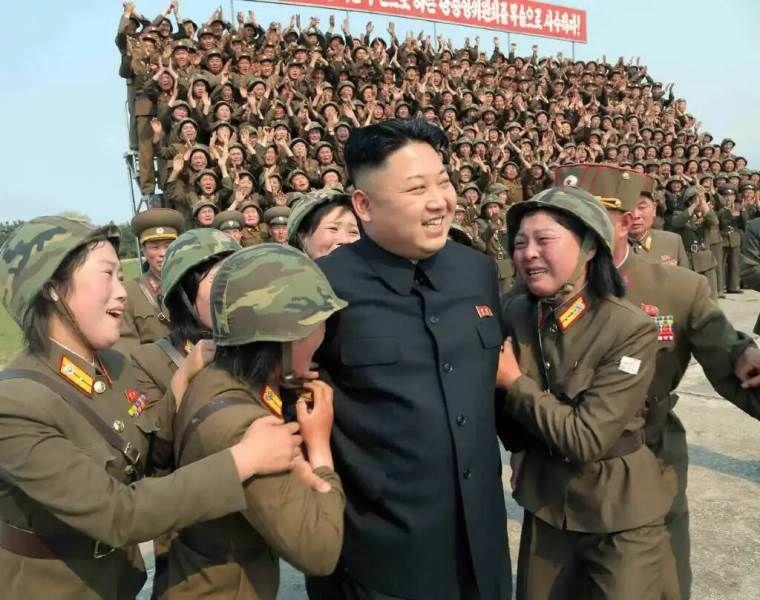
As recently as 10-15 years ago, North Korea could be called the world's most closed society. However, in recent years, the country has opened up somewhat. At least, today you do not need to collect a huge pile of documents to get into it.
Although... for citizens of some countries with which the DPRK has tense relations, entry into this country is still problematic. These are, first of all, the United States, the Republic of South Korea, Japan and in general any country that supports the foreign policy of the United States.
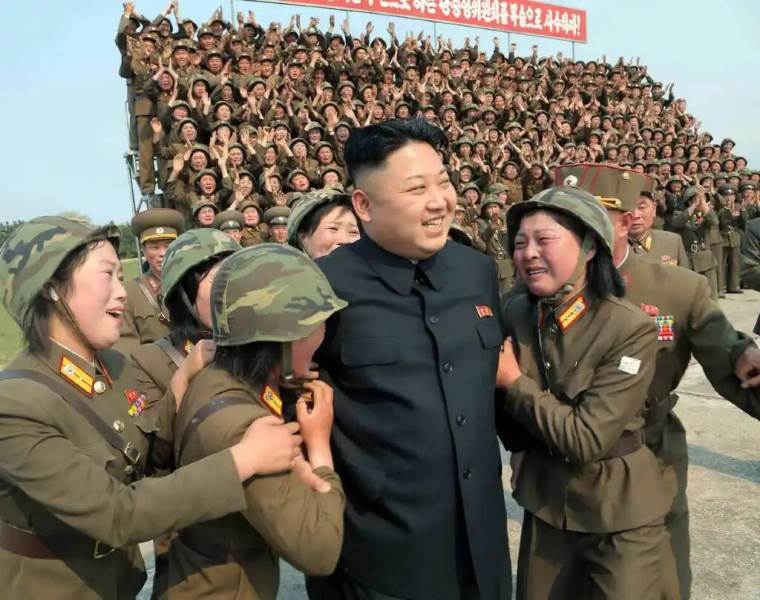
However, for citizens of friendly countries there are also restrictions, but already internal, when entering the DPRK. For example, you cannot go anywhere on your own - only with a guide attached for you (or for your group, if you are part of it).
And you can't take photos of everything - there are a lot of regime objects connected with the army. And since North Korea is the undisputed world leader in terms of militarization, there are very few places for unobstructed photography.
Libya
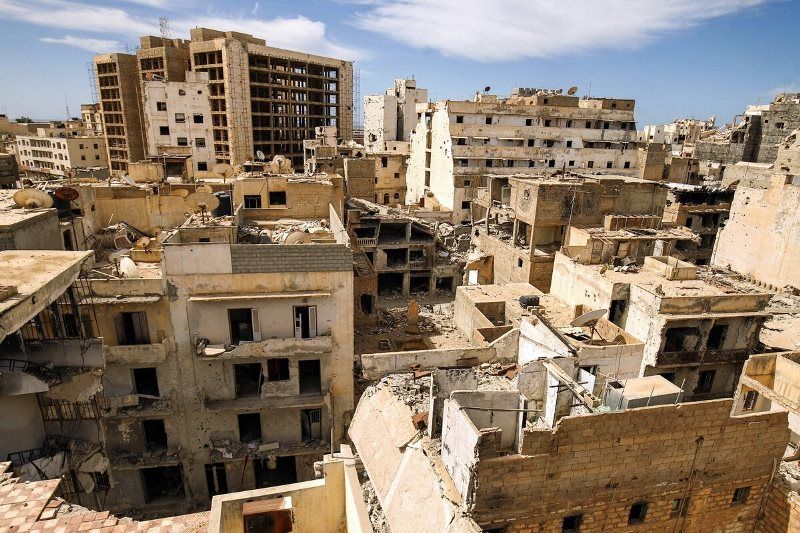
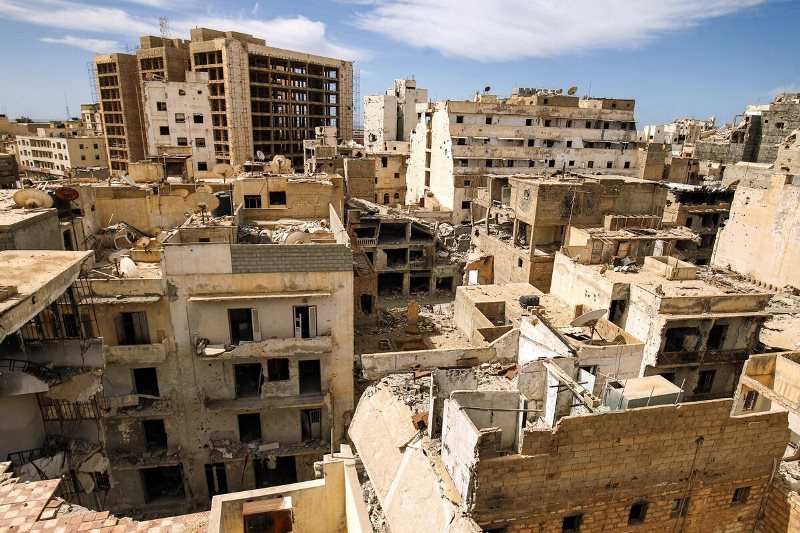
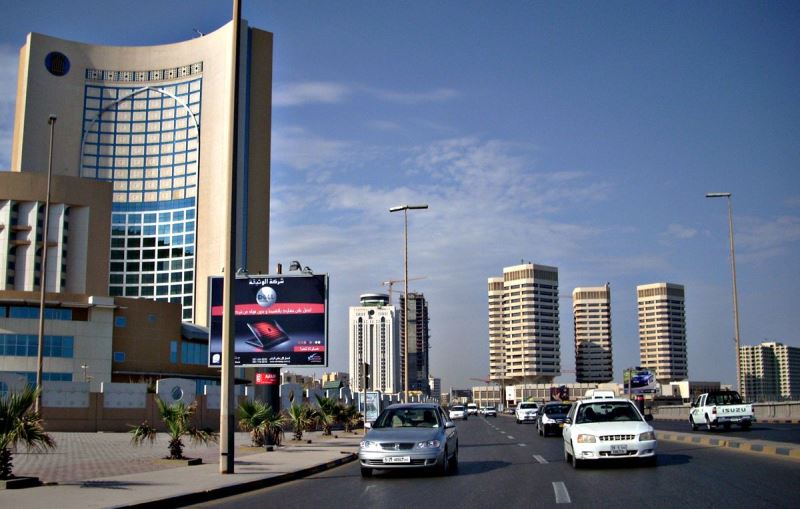
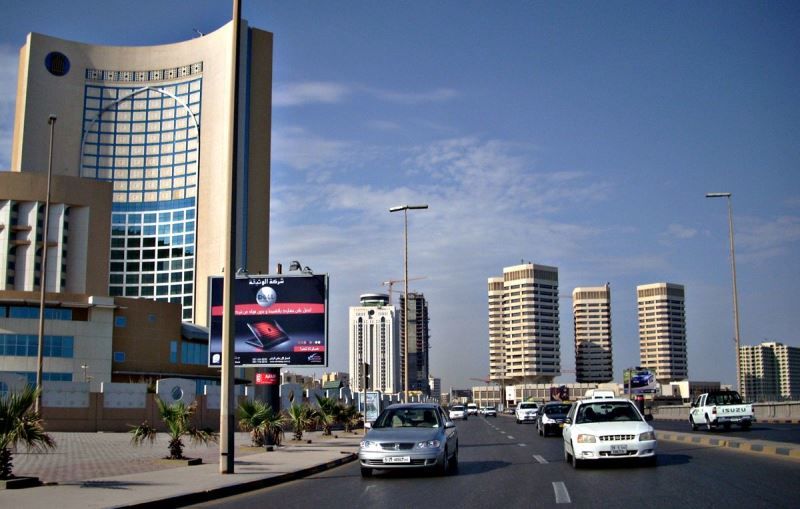
Under Muammar Gaddafi, it was a fairly open country. But since the coup d'état of 2011 and the liquidation of Libya's leader, there has been an ongoing civil war.
And there is nothing left of the stability that existed under Gaddafi. Including the former security for those wishing to visit Libya as a tourist (guest).
And the entrance/entry to Libya is categorically and permanently closed to the citizens of Israel - so, at least, the leaders of absolutely all opposing groups and armies (including guerrilla groups) declare.
So formally the country is open, but potential visitors make it closed for themselves for security reasons.
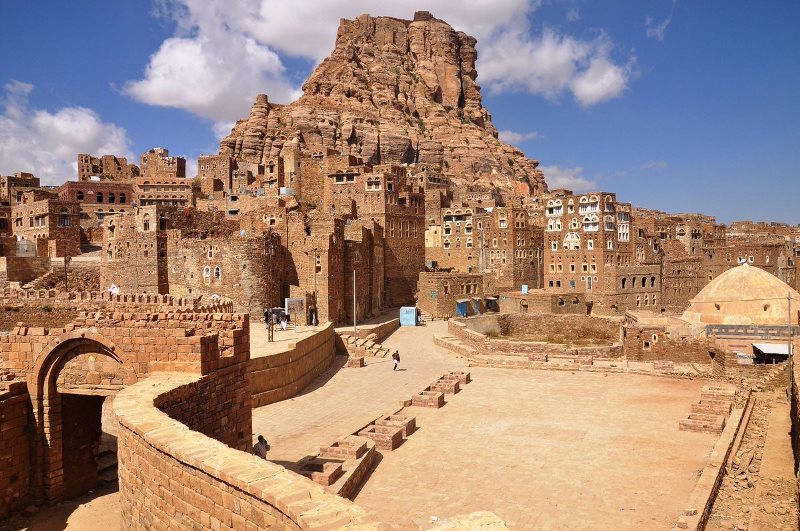
Yemen
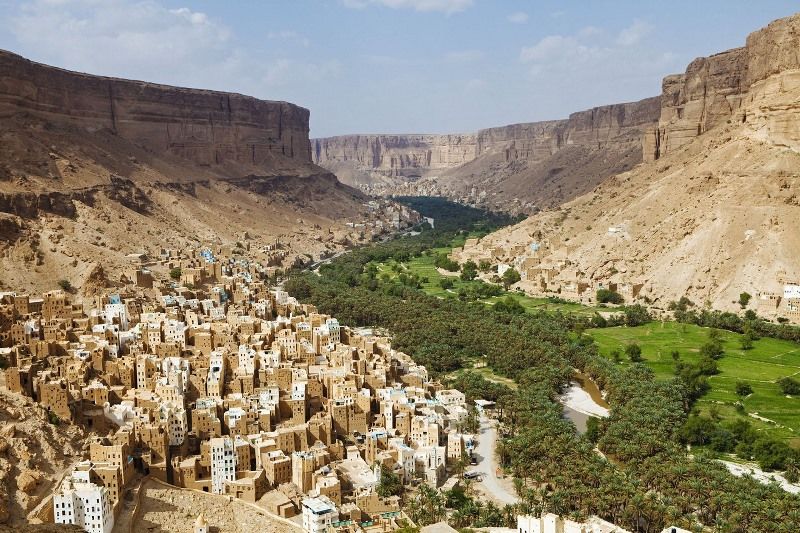
Yemen is called the country with the largest number of Kalashnikovs per capita, so anyone who is thinking of visiting this African Arabic-speaking country should think hard about whether they need it.
The fact is that, unlike its neighbors, Yemen is already running out of oil. At least, the old, explored fields have become scarce. And in the conditions of a sluggish civil war, no one is willing to conduct geological surveys with oil exploration.
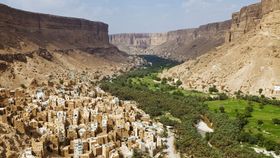
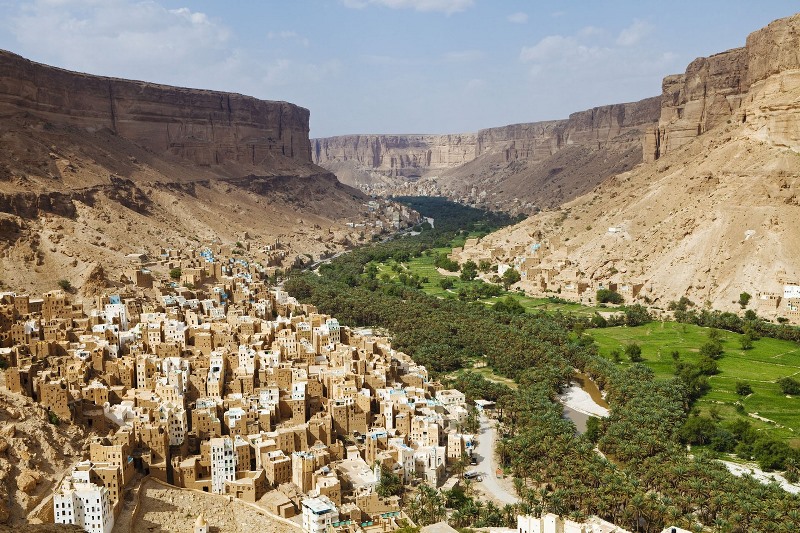
In addition, there is a problem of food supply - after all, the typical Yemeni landscape consists of bare, sun-hardened rocks and endless sands. Water is scarce, and growing crops understandably requires a lot of it. So a poor, hungry population does not contribute to a sense of security.
Haiti
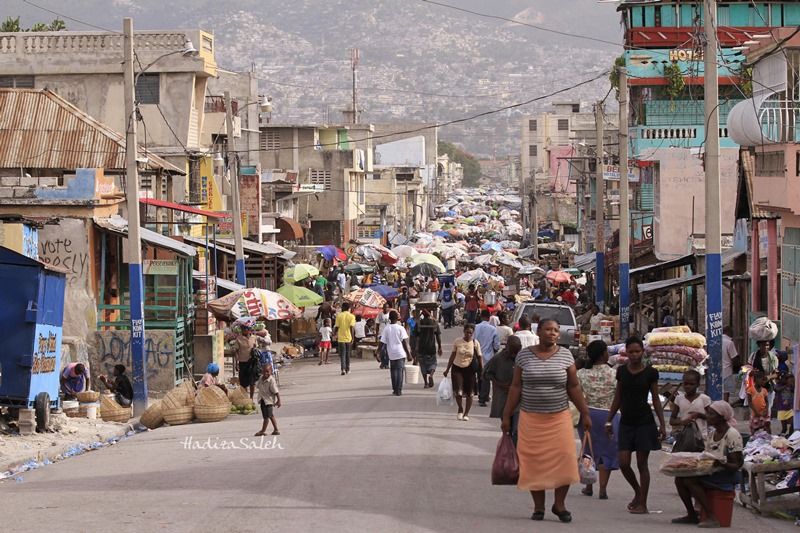
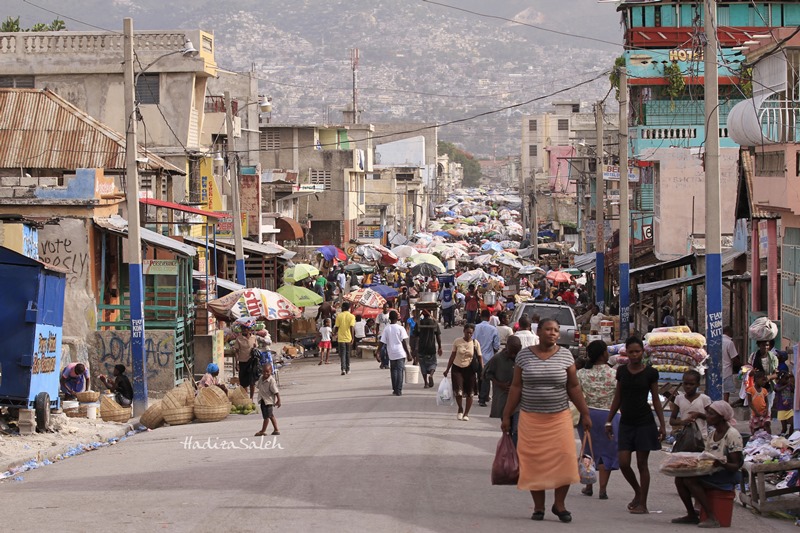
The island used to be called Española. The Spaniards who colonized it, and later the French, practically wiped out the local Indian population, bringing instead black slaves from Africa.
In 1804 there was an uprising of these slaves, which resulted in the formation of the first black republic in the New World. However, it quickly turned into an empire, with a self-proclaimed black emperor, J.-J. Dessalines.
As a result of rebellion all white population of the western part of the island was destroyed, where in due course the state of Republic of Haiti was formed. On the eastern part there is quite prosperous Dominican Republic.
In Haiti there are constant coups d'état, and besides, "black racism" flourishes there, when any person of white race is discriminated against.
Pakistan
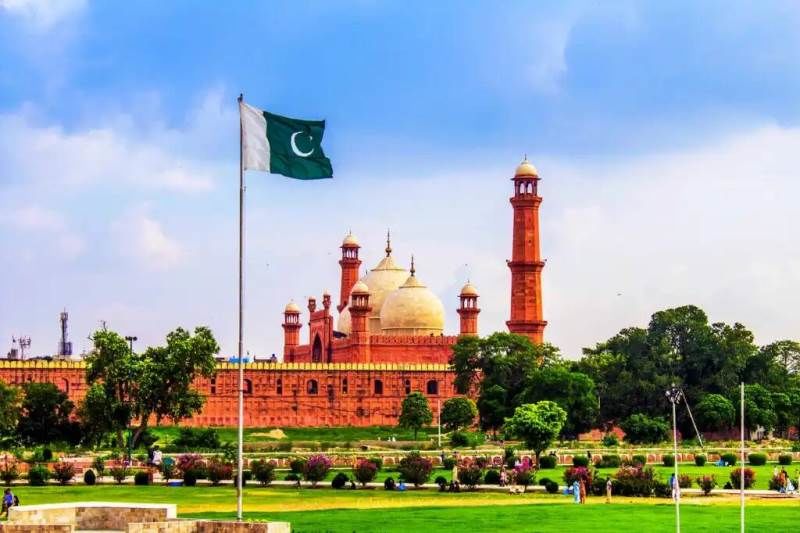
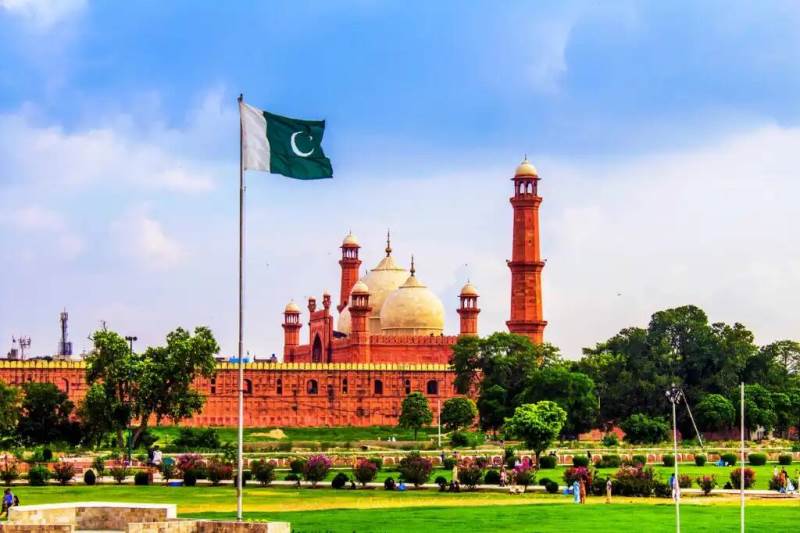
A country with an Islamic (predominantly) population. Moreover, Islam there is of the Sunni persuasion. The internal political situation in the country is very unstable, as there are many Pashtun tribes in the east, who are categorical opponents of any centralized power. By the way, it is because of the Pashtuns that peace and stability have not been achieved in neighboring Afghanistan for centuries.
In addition, in 2-13, a group of foreign tourists took part in a major terrorist attack in the north of Pakistan, which further turned both the authorities of the country and its population against any "guests".
Saudi Arabia

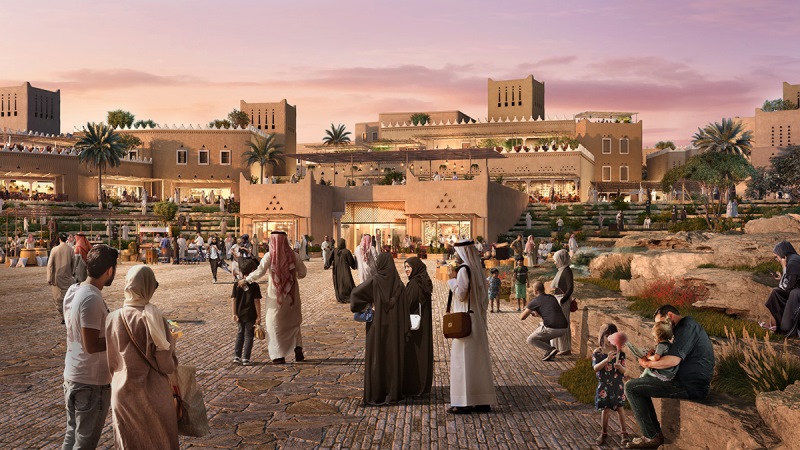
At the moment, getting into Saudi Arabia has become much easier, thanks to the country's development program "Saudi Vision 2030", under which it is becoming freer and more open. The exceptions are the holy cities of Mecca and Medina, where only Muslims are still allowed to enter, and that with a number of nuances.
To get into this country, if you are not of the Muslim faith, is an almost impossible task. And God forbid you to visit Israel even once, even as a transit passer and even as a Muslim! It is better to change your passport at once, so that there is not even a trace of the Israeli visa stamp on its pages.
The fact is that firstly, in Saudi Arabia there are many religious movements of Islam of the most radical kind (including real terrorists Wahhabis and Salafis), and secondly - here is the main Muslim shrine - the sacred stone Kaaba in Mecca, where every year tens of thousands of pilgrims flock to worship the black cube-shaped stone with golden writing.
According to the precepts of Islam, every Muslim who makes the pilgrimage to Mecca, or hajj, becomes a specially honored person.
Somalia
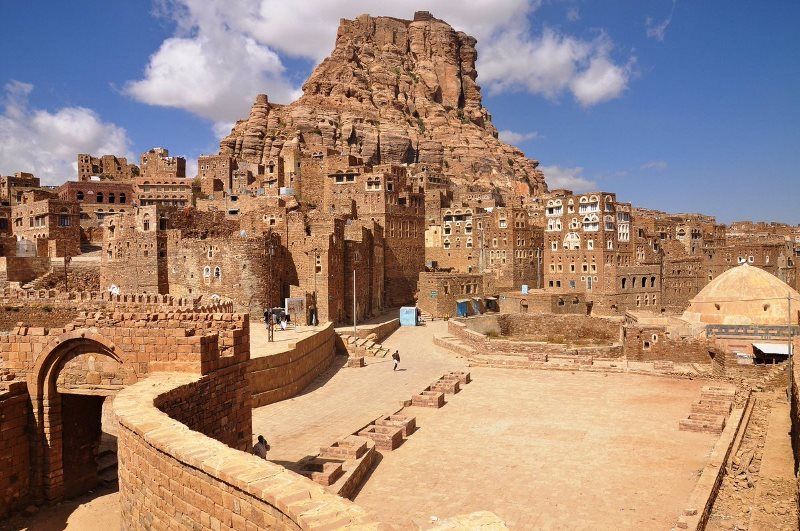
Coming to Somalia is not difficult at all. It is enough just to arrive by any regular flight to the capital Mogadishu, where there, at the airport, you will get a visa. But then...
There is no guarantee that local mafia groups will not start "leading" you from the airport to kidnap you in the capital. And demand a considerable ransom!
So, no natural beauties, and there are plenty of them in Somalia, do not attract tourists from all over the world. Well, except for extreme people.
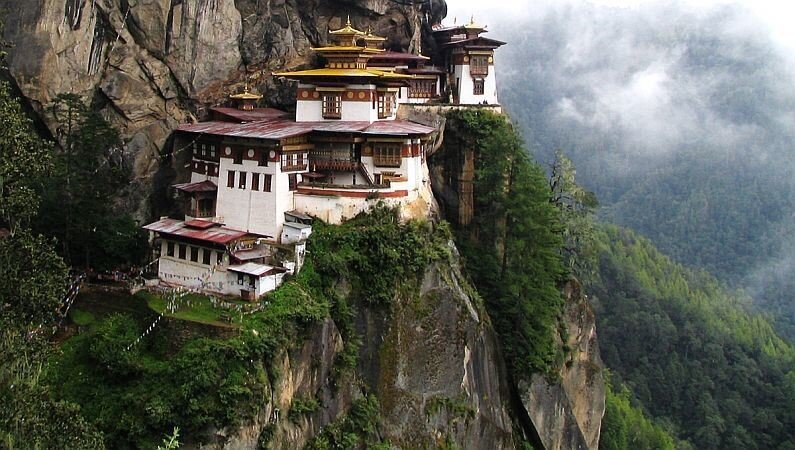
Kingdom of Bhutan
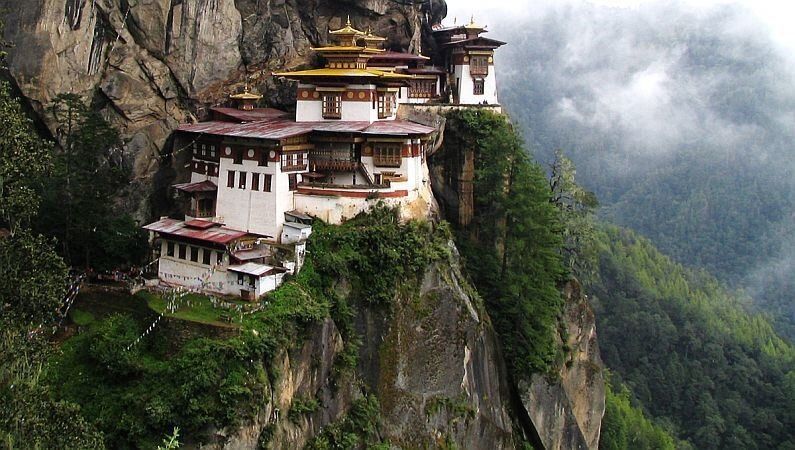
Life here is safe and measured. Many aspects of life are strictly regulated. But it is precisely this regulation that serves as an obstacle to free visit and movement in this kingdom.
The fact is that the authorities of the country are sincerely convinced that even the breath of a foreigner who does not share the values of Bhutan can defile the centuries-old harmonious relations of the local society.
By the way, foreigners have been allowed here only since 1974 (not counting the few diplomatic missions, and even then the number of members of these missions has always been limited). However, even today every day a tourist's stay in Bhutan is subject to the highest duties, which he must pay personally.
Bhutan, however, has a huge and undeniable advantage - there are no thefts or serious crimes here.
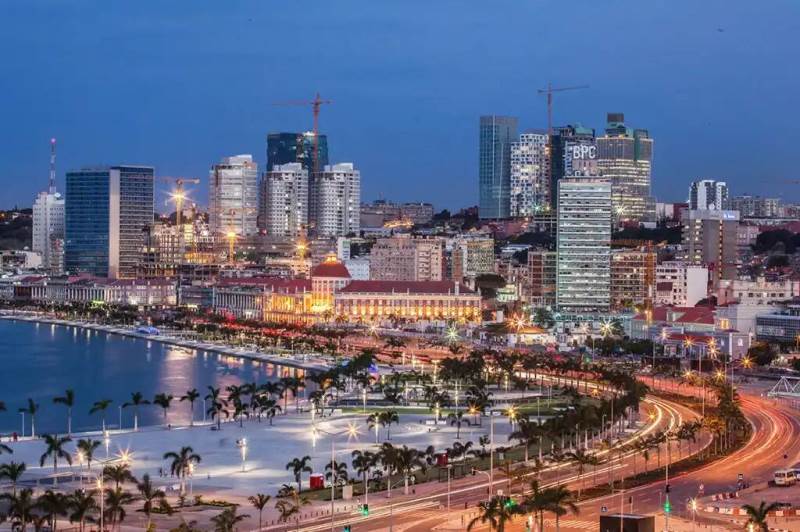
Angola
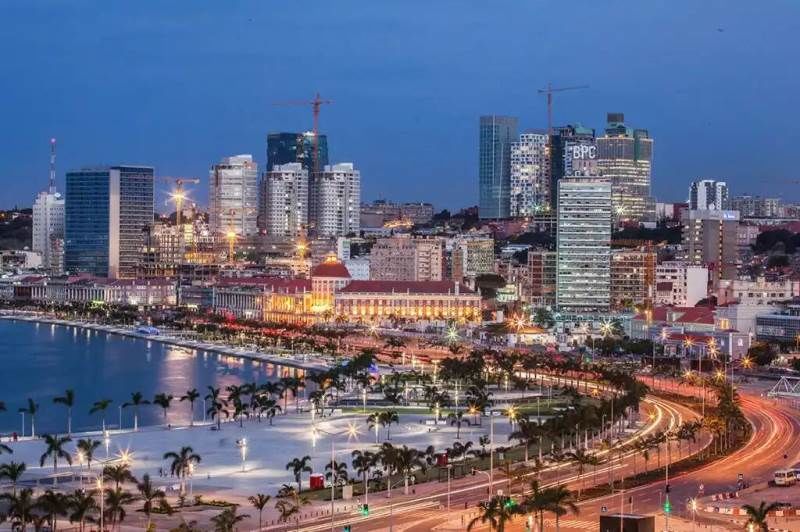
Strangely enough, this country has everything for a quality tourist vacation. It has a magnificent nature, and the infrastructure left in a very good condition from the former colonial masters, and a moderate climate, and even the country's food security is ensured by its own forces.
But there is trouble with the internal political situation - for decades potential guests from outside have been avoiding Angola, not least because of rampant crime.
The fact is that the previously opposing political groups have laid down their arms, but have essentially turned into gangs with different ideologies. Often irreconcilable. It is relatively safe only in Luanda, the capital of the country.