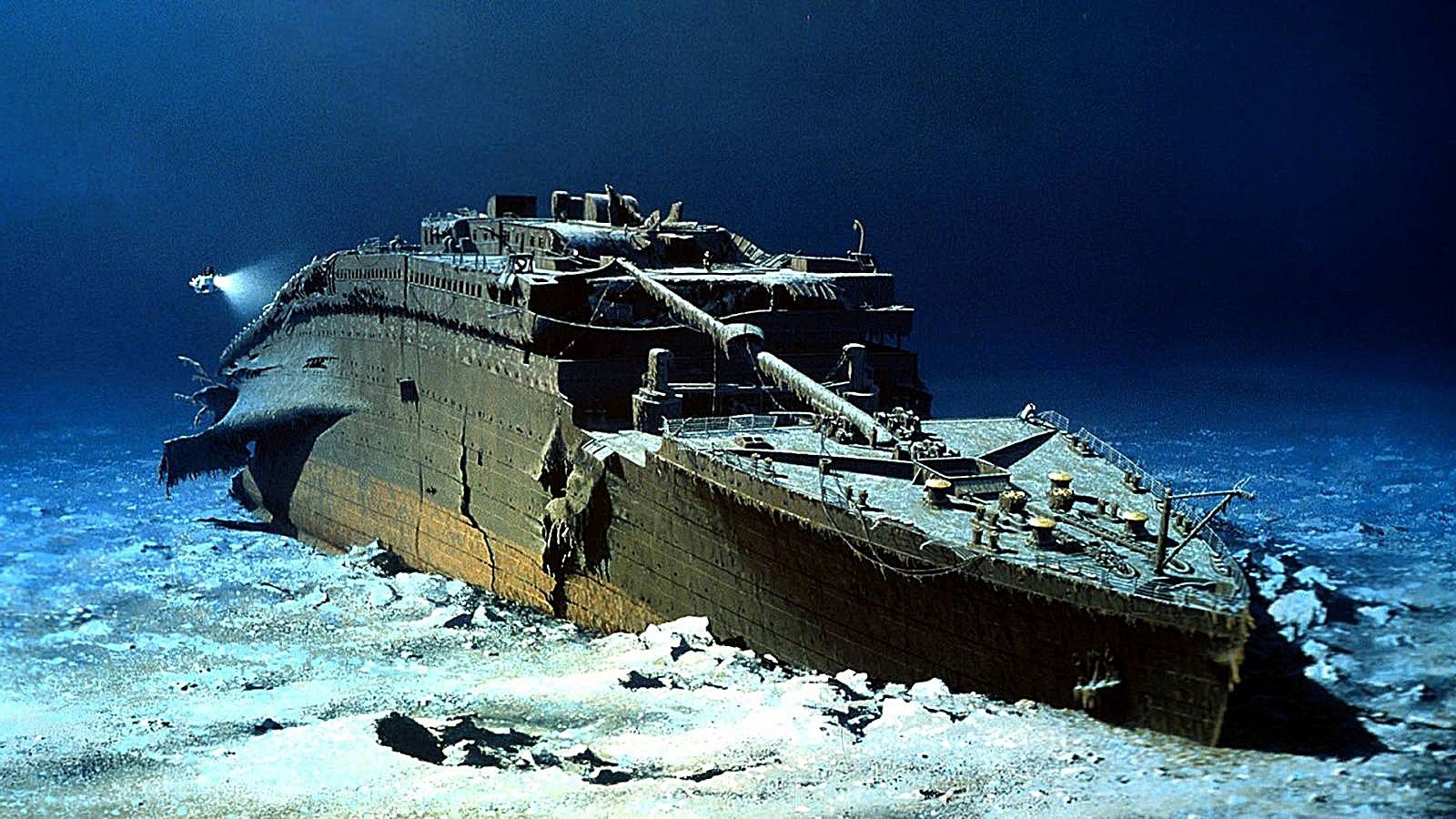
Top 15 largest ships in the world in modern human history
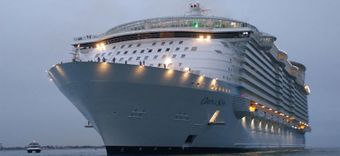
The ships included in the rating of the world's largest ships look very different. This difference in "appearance" can be easily explained by their functional purpose, which affects their design features.
However, there is something that unites them - they look incredibly majestic. And by their mere appearance such ships cause astonishment: how such a mass can stay on the water at all.
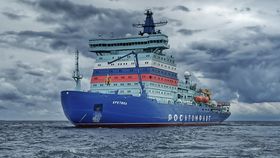
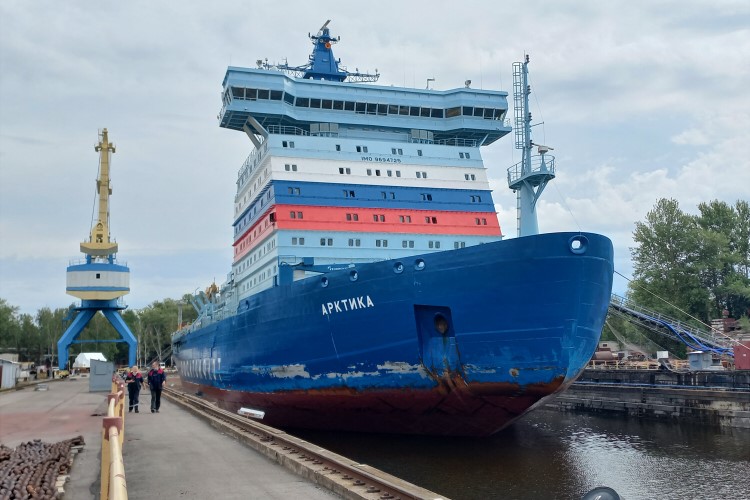
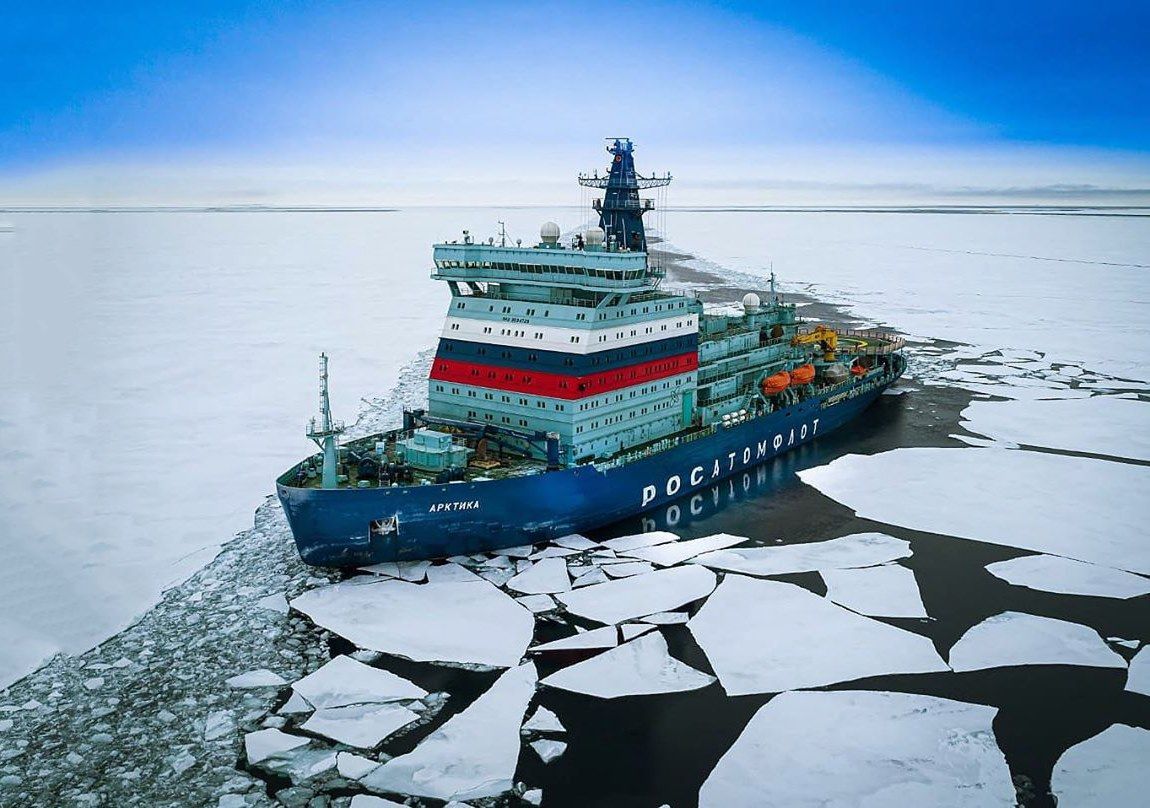
Arctica (Arctic)
Country - Russia
Length - 173.3 m
The namesake of the old Soviet icebreaker, one of the largest icebreakers in the world. Russian nuclear-powered icebreaker, the first under Project 22220 (LC-60Ya). Launched on November 05, 2013, launched on June 16, 2016. Home port - Murmansk.
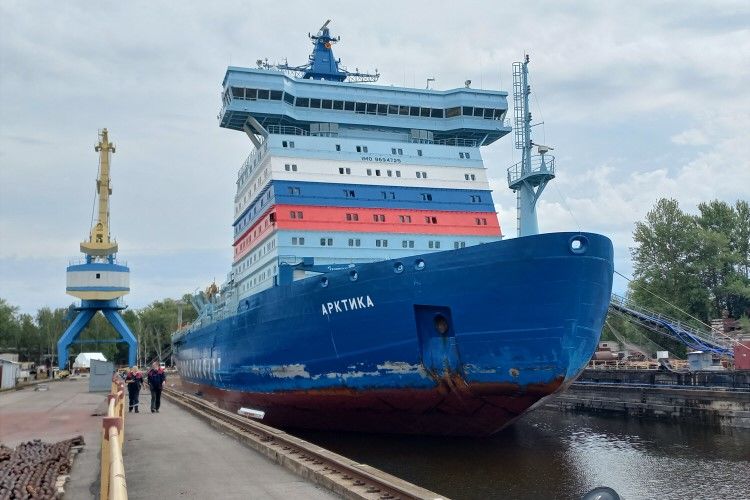
In 2020, it successfully passed ice trials, including reaching the North Pole. On November 21, 2020, the Arktika was flagged up, becoming part of the Russian nuclear-powered icebreaker fleet.

"Arktika" is capable of operating in deep and shallow drafts (in the open ocean and river beds). It is equipped with two nuclear power units with RITM-200 reactors (175 MW).
The icebreaker is designed for a crew of 74 people. Despite its "youth", it has had three captains.
Azzam
Country - Germany
Length - 180 m
Superyacht from Lürssen Yachts designed by Nauta Yachts. The name is Arabic for «resolute». Became the largest private motor yacht in the world, taking the record away from R. A. Abramovich's «Eclipse».
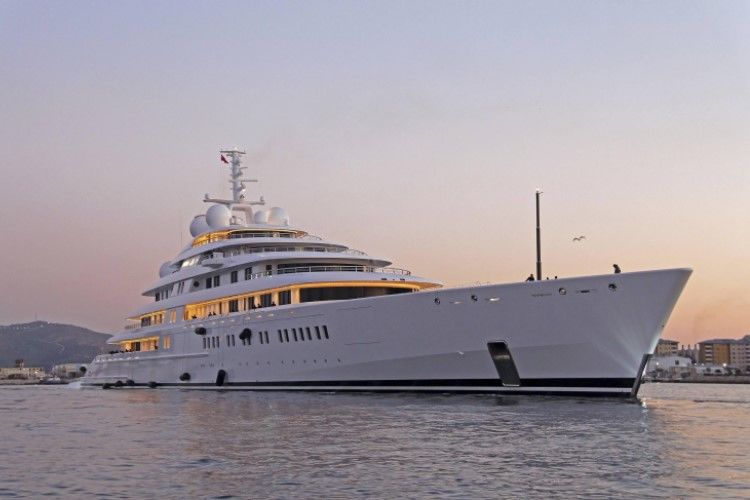
The yacht was commissioned by the President of the UAE. Its owner is Khalifa bin Zayed Al Nahyan. She is registered as a charter yacht for the sake of reducing the "tax burden" and preferences for berthing in European ports.
The silhouette of the yacht looks unusual due to the shallow draft (only 4.3 meters) for such length and width. This makes her capable of sailing in shallow waters. Two turbines and two diesel engines allow her to reach speeds of over 31 knots.
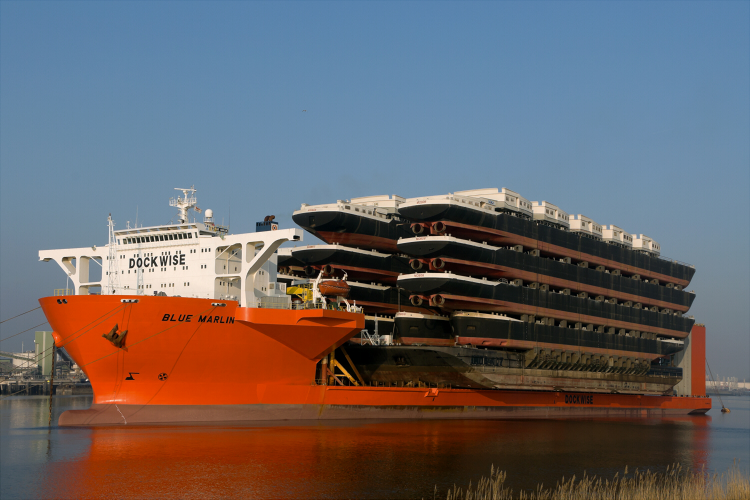
MV Blue Marlin
Country - Netherlands
Length - 224.8 meters
A semi-submersible cargo ship. To receive cargo, it is submerged in water, the deck becomes a kind of "floating dock".
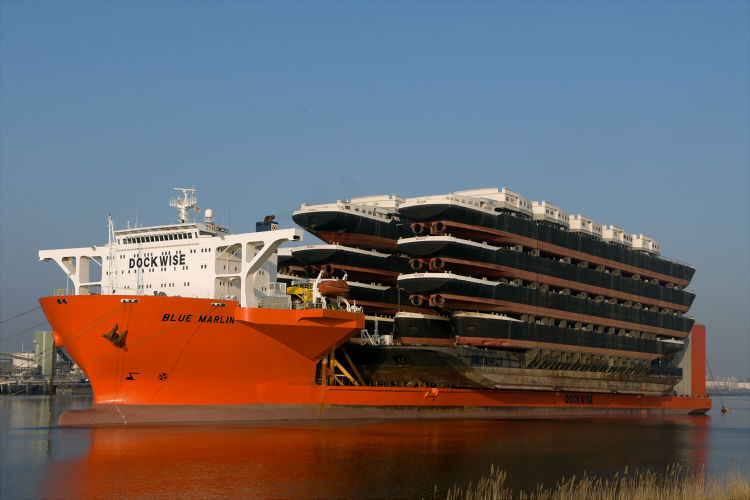
At the time of its creation it belonged to the Norwegian Offshore Heavy Transport, but less than two years later it was bought by Dockwise.
MV Blue Marlin was modernized - the number of its passengers, cargo capacity and maneuverability were increased. Now its capacity is 60 people.
There is everything necessary for comfortable life in cabins and on board. The ship was originally designed to carry offshore drilling platforms, but its two most famous cargoes are the destroyer USS Cole (DDG-67) and the landing ship HMAS Canberra.
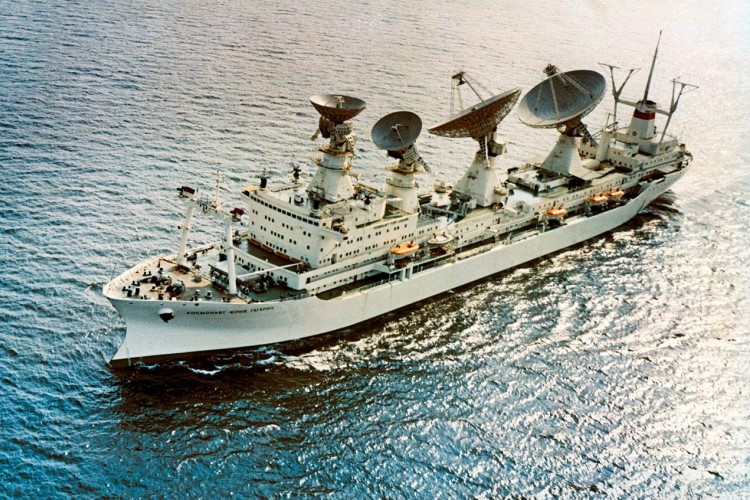
Cosmonaut Yuri Gagarin
Country - USSR
Length - 231.6 meters
A research ship designed to control spacecraft in flight, maintain communications, issue commands, and calculate trajectories. The author of the 1909 Phoenix project was D.G. Sokolov.
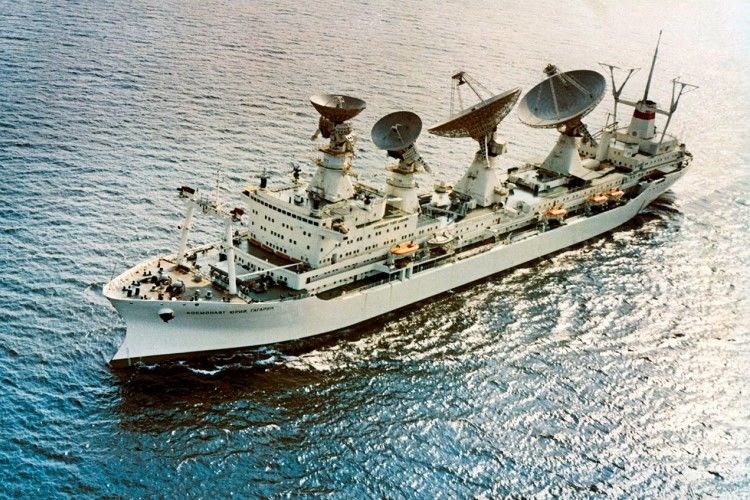
Built in Leningrad in 1971. Home port - Odessa. The ship's crew was 136 people. On board there was constantly on board the TsUP task force (another 212 people), the technical equipment of the ship allowed its members to "intercept" the functions of the TsUP if necessary.
In 1971-1991 the ship successfully performed the assigned tasks in the Atlantic. After the collapse of the USSR it was inherited by Ukraine and was idle in the port of Yuzhny. Five years later it was sold for scrap metal.
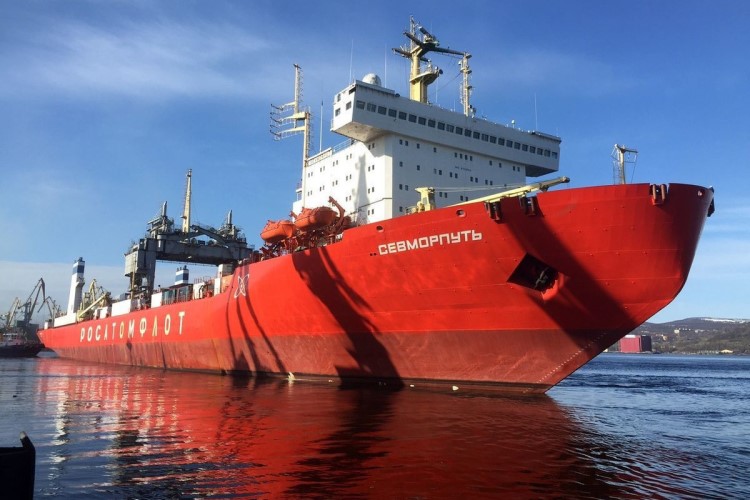
«Sevmorput» (Northern Sea Route)
Countries - USSR, Russia
Length - 260,1 m
Soviet "hybrid" icebreaker and transport vessel. The only vessel of Project 10081, the largest non-military vessel equipped with a nuclear installation (KLT-40). It was built in Kerch under the design of the Baltsudproekt Central Design Bureau in 1982-1988.
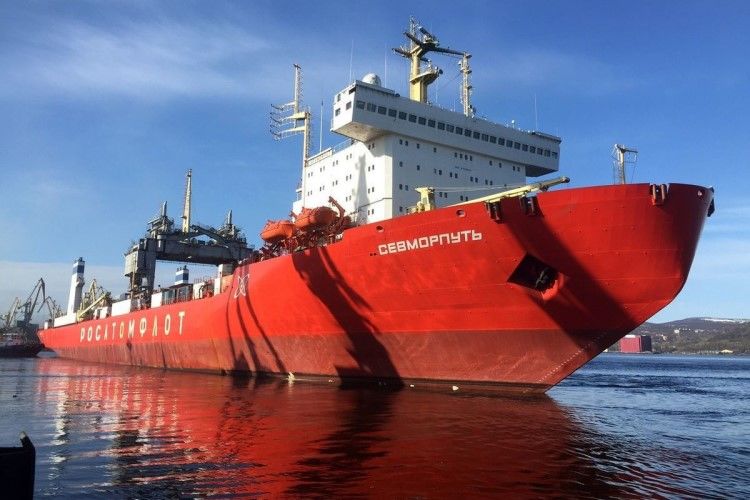
The design of the ship allowed it to sail both in warm waters and in ice (up to 1 m). From the lines "Odessa-Vietnam-Vladivostok" and "Vladivostok-DPRK" it successfully "switched" to cargo transportation along the route "Murmansk-Dudinka-Murmansk".
The ship is still "in service". In 2007 it successfully passed Rostekhnadzor inspection. The last voyage to Antarctica (Vostok station) had to be interrupted because of a propeller blade breakage.
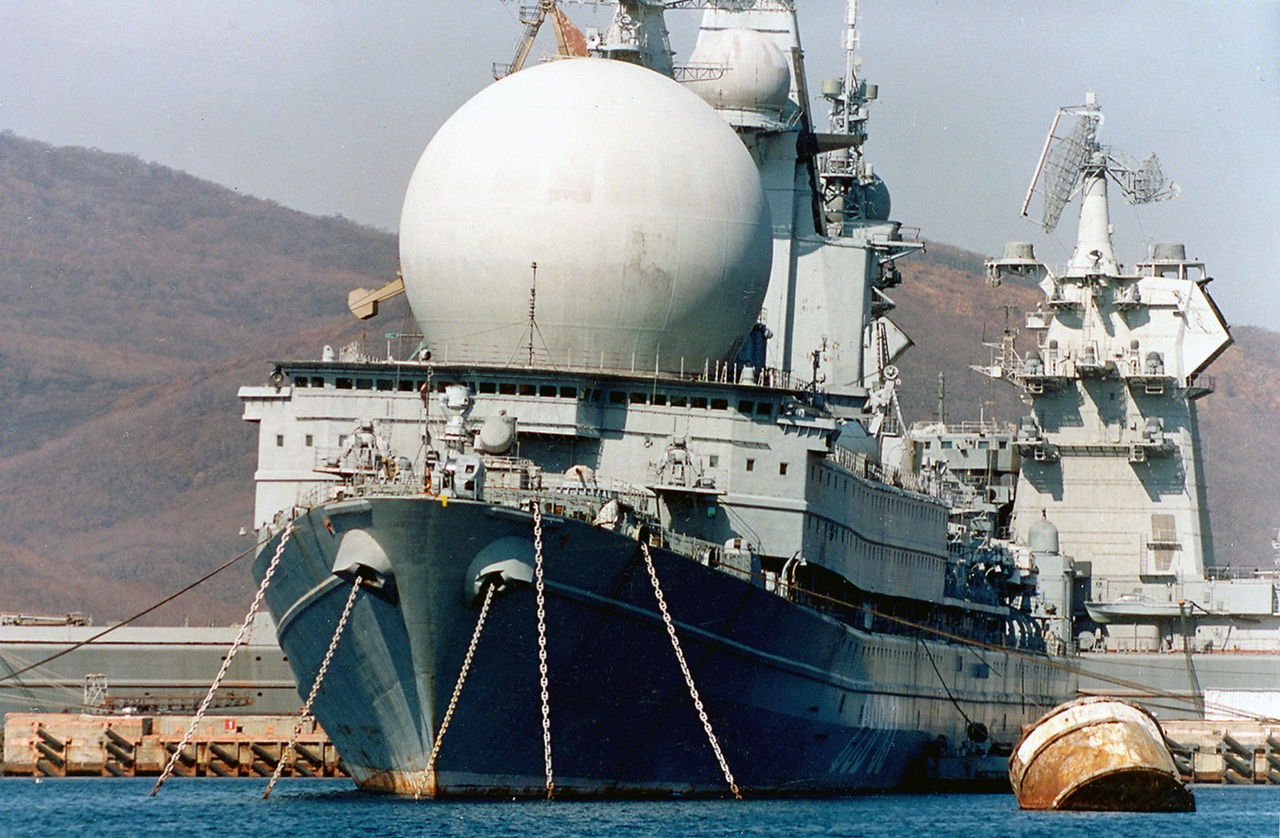
SSV-33 "Ural"
Countries - USSR, Russia
Length - 265 m
Reconnaissance ship, the only one built under Project 1941 "Titan". The designer of the project was M. A. Arkharov (Aisberg Design Bureau). In NATO it received the disrespectful nickname Kapusta.
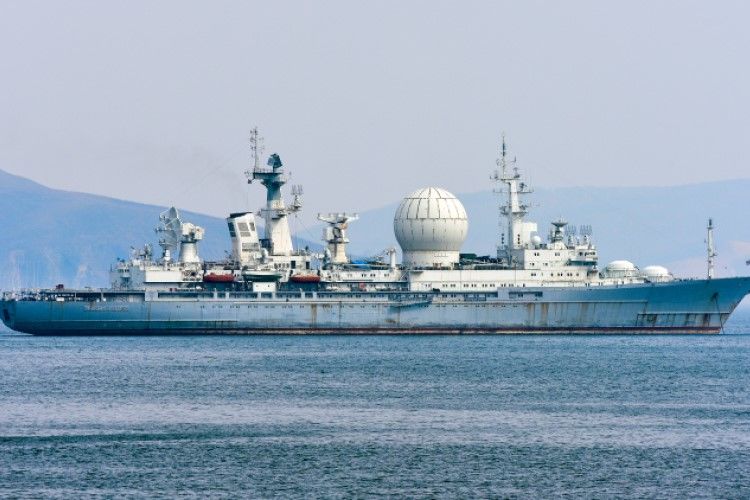
It was built in 1981-1983 at the Baltic Shipyard, and in 1989 the Soviet flag was raised on the Ural. It was built for the specific purpose of intercepting information from the missile range at Kwajalein Atoll, which was actively used by the United States.
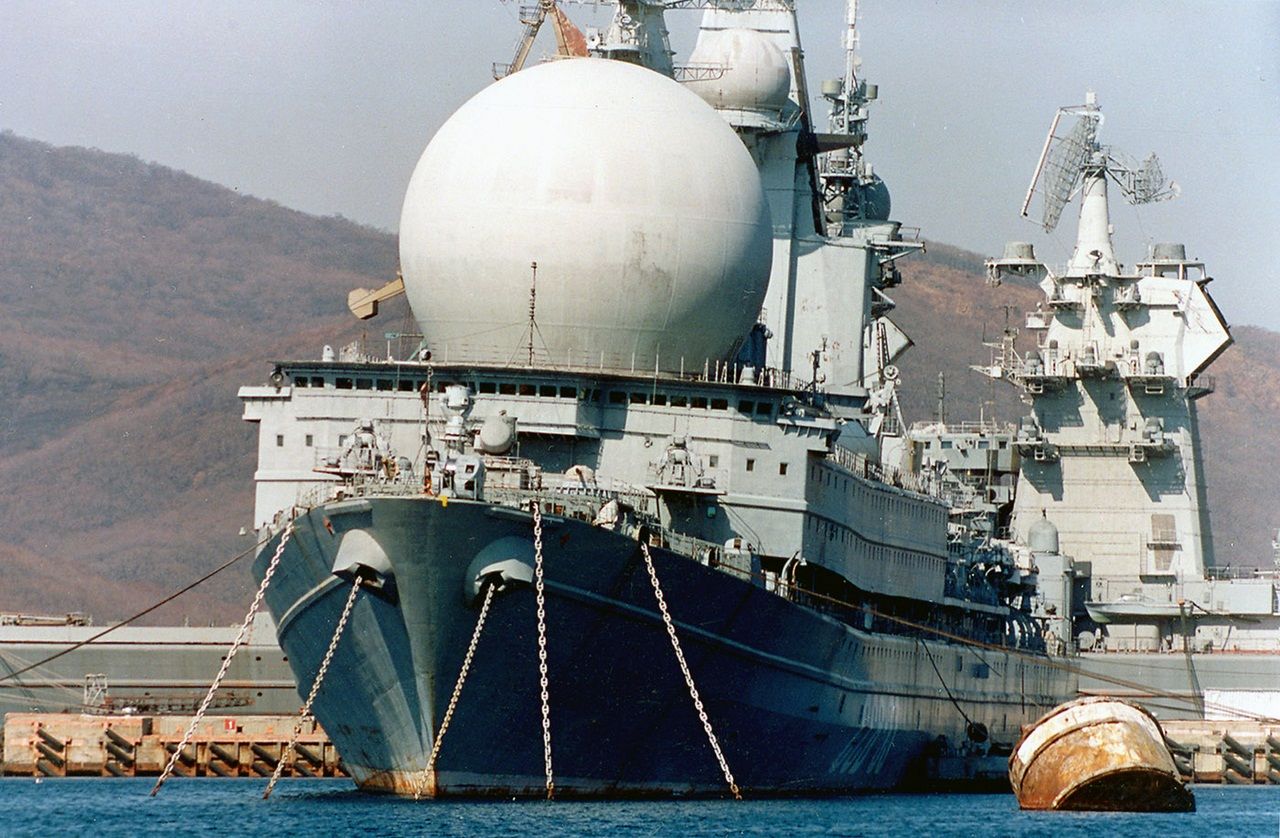
Due to the political situation in the USSR, the ship did not reach the «place of service». Also during the passage to the Pacific Ocean technical problems and «defects» were revealed. In 2001, the «Ural» was finally decommissioned. In 2017, utilization began at the «Zvezda» plant.
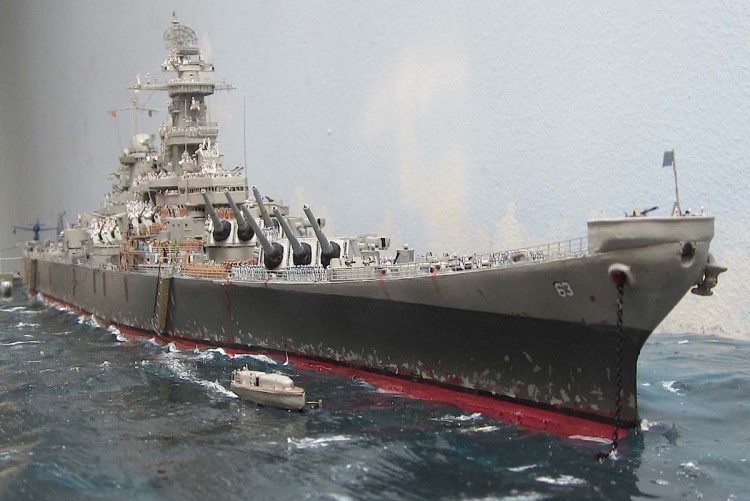
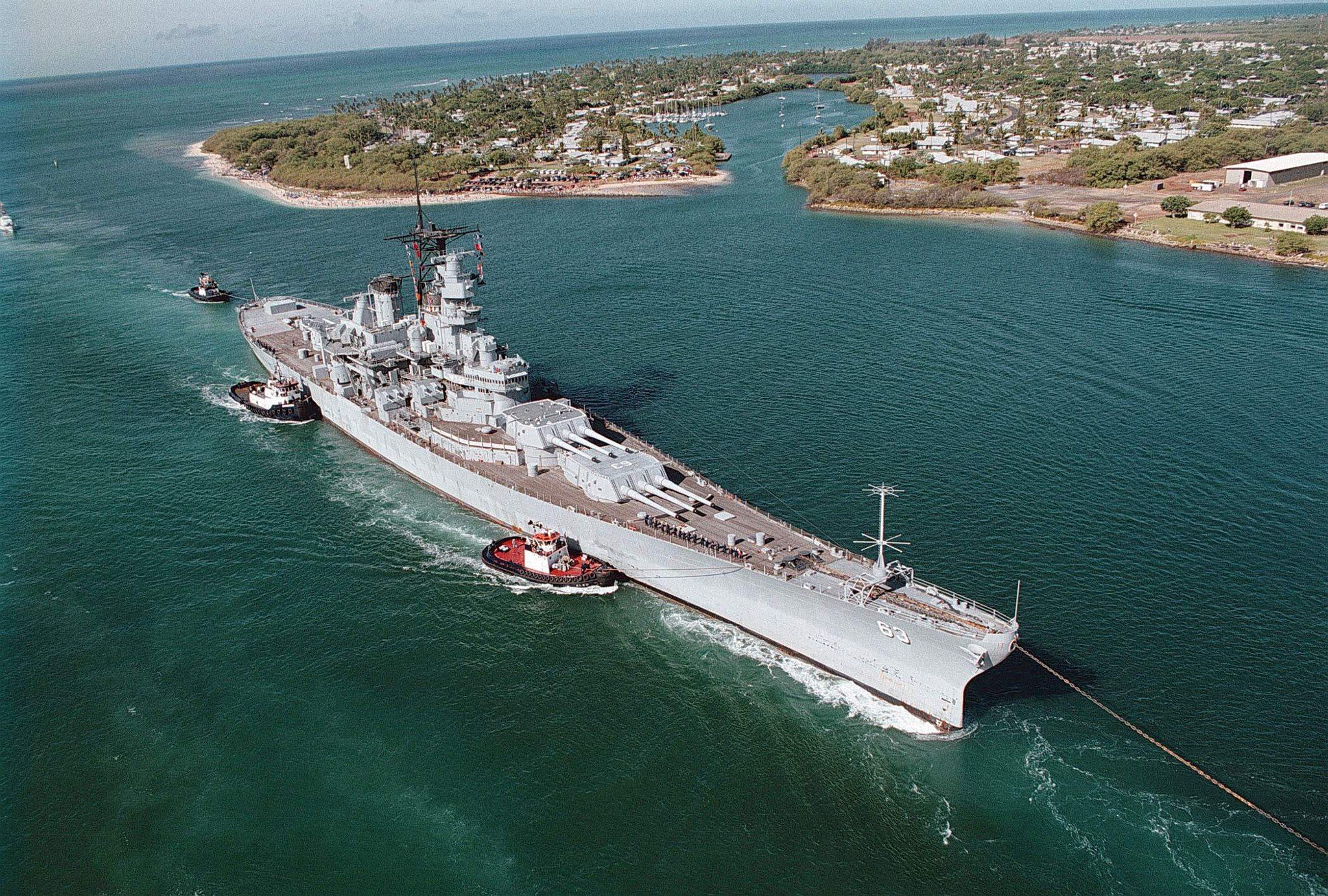
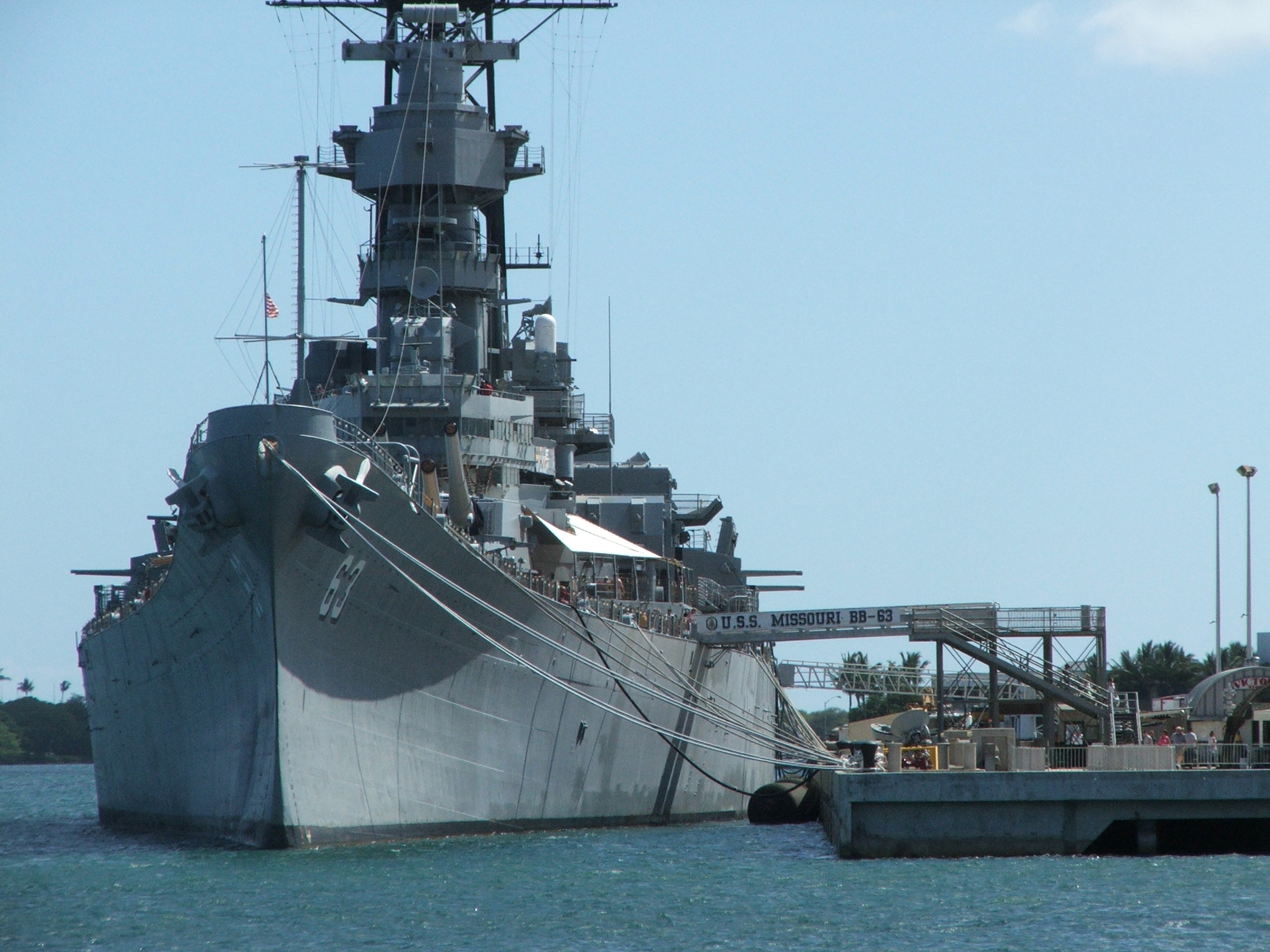
USS Missouri
Country - USA
Length - 270,4 m
The third ship of the Iowa type, aka BB-63 and Big Mo. Construction was started in January 1941, and the ship was launched in early 1944. The ship was commissioned on June 11, 1944.
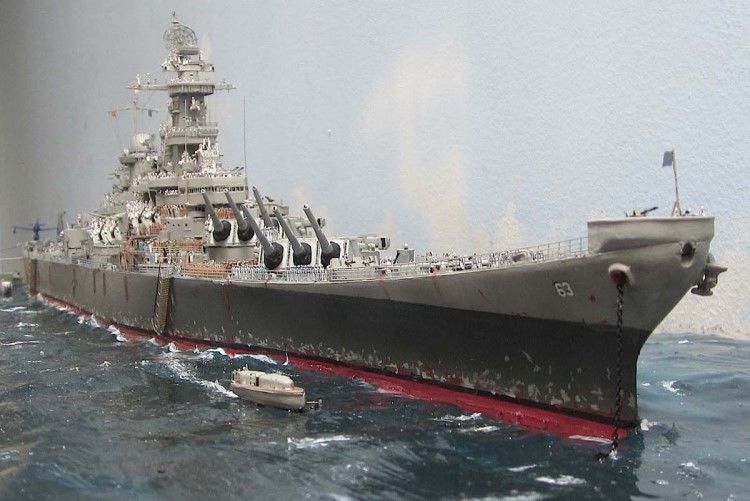
The battleship participated in World War II and other combat conflicts in the second half of the twentieth century. The last time it fired in the Persian Gulf (1991). Earned 11 "battle stars".
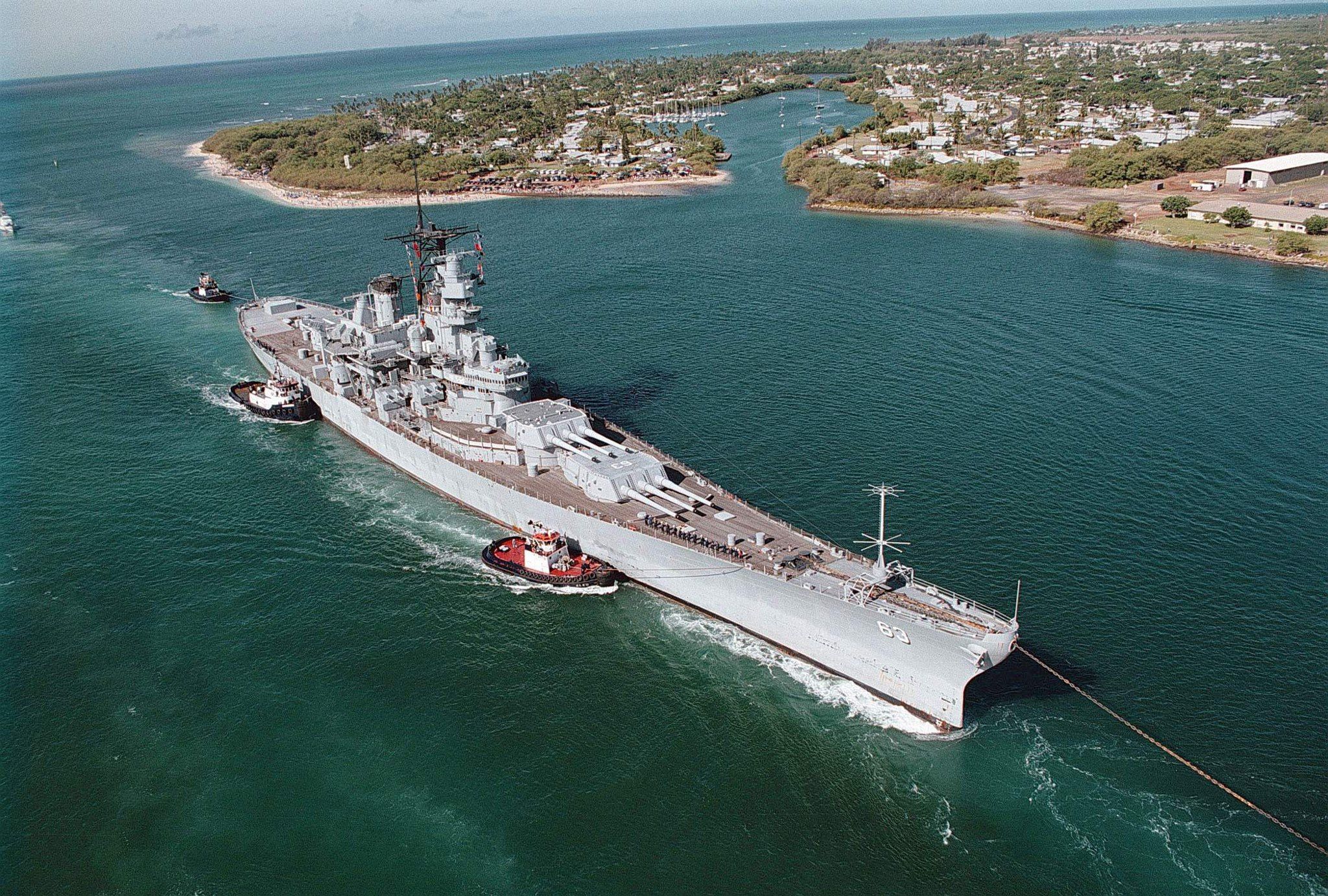
It was on its board that World War II ended with the signing of the Act of Surrender of Japan. Decommissioned on March 31, 1992.
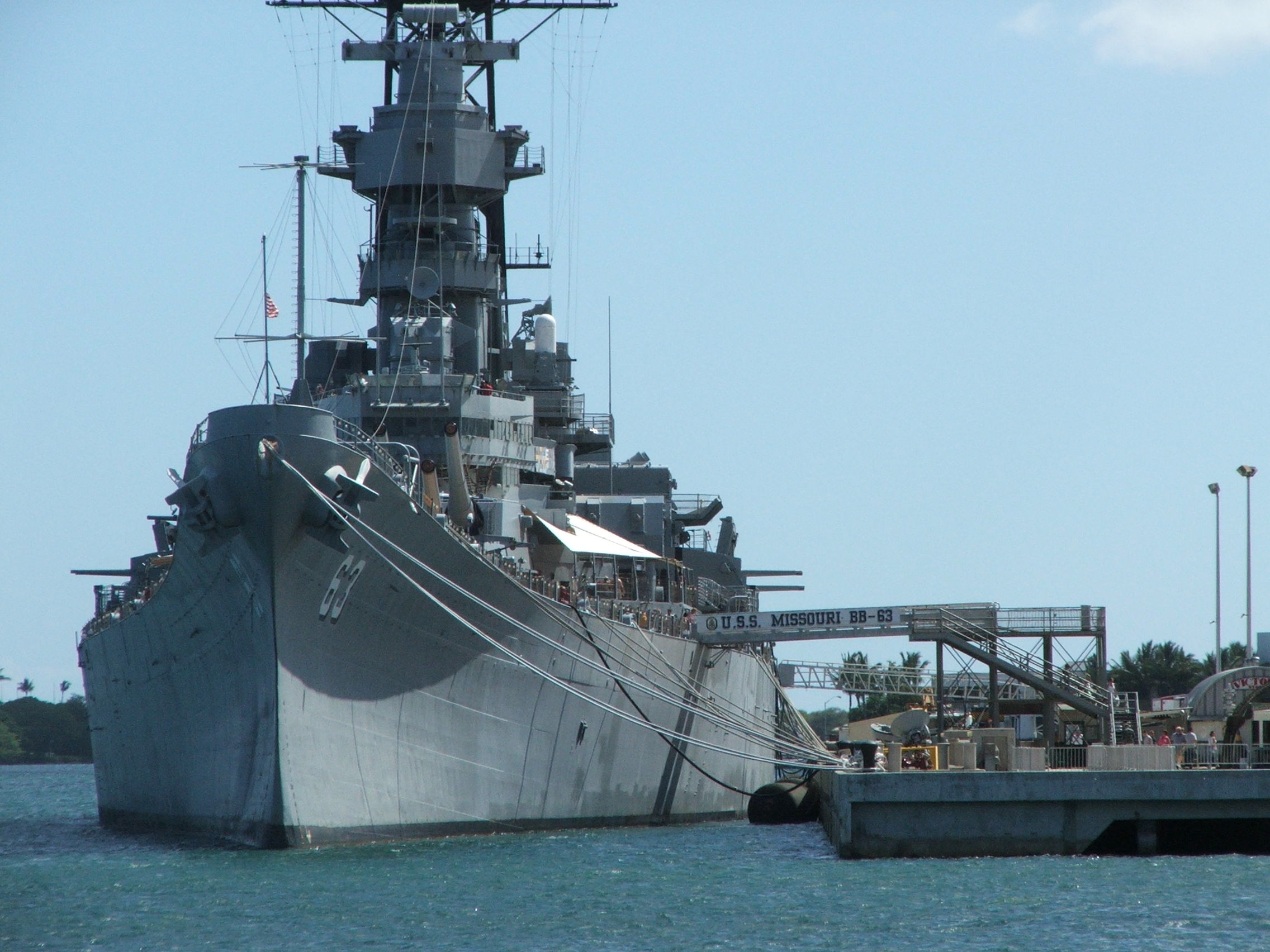
Since 1998, the Missouri has been a museum ship permanently moored at Pearl Harbor. It is actively "starring" in feature, popular science and documentary films.
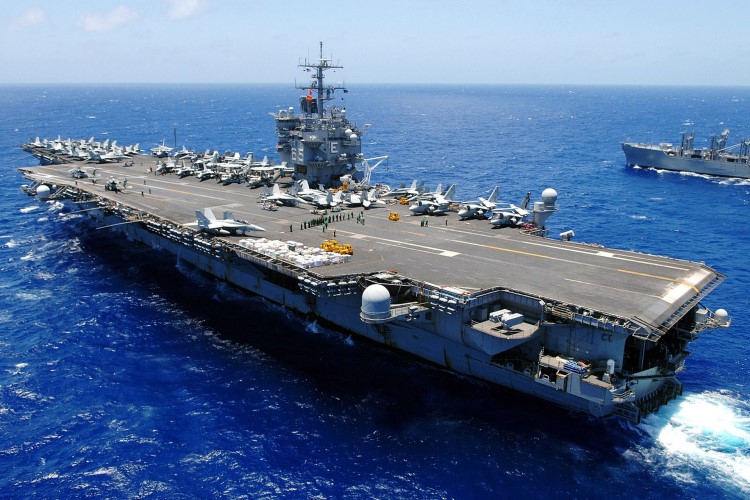
USS Enterprise
Country - USA
Length - 342,3 m
The first ship in a planned series of five nuclear-powered aircraft carriers. It remained the only one due to extremely high construction costs.
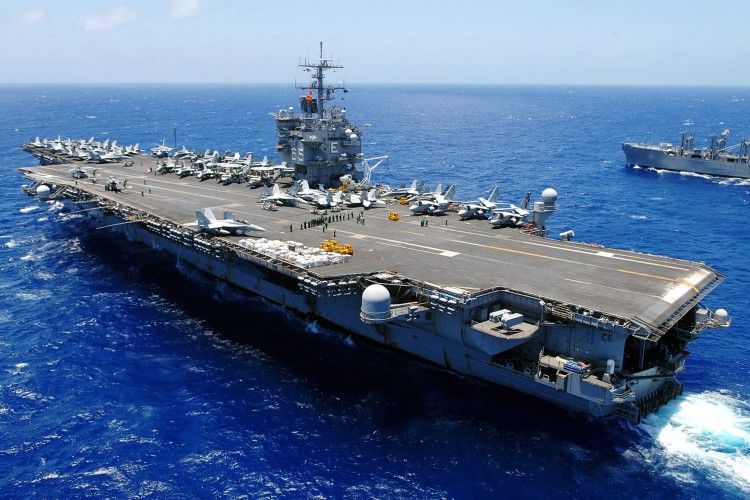
Built to a design by Westinghouse Electric Corp. Launched at Newport News Shipbuilding in late 1957, launched in September 1960.
Its "baptism of fire" was participation in the blockade of Cuba during the "Caribbean crisis". Then based in the Mediterranean Sea, the seas of Southeast Asia. Provided support to the U.S. forces and military coalitions in Iraq and Afghanistan, patrolled the Red Sea off the coast of Somalia.
In December 2012, it was decommissioned from the fleet. Disposal ended in February 2017.
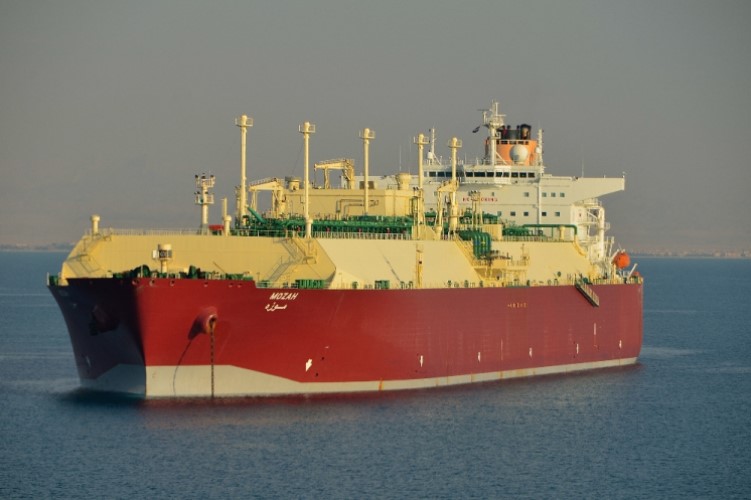
Q-Max
Country - South Korea
Length - 345 meters
Abbreviation for Qatar-Max. A general name for a class of LNG tankers. A total of 14 of them were built by order of Qatar Gas Transport Company (Naklilat) in South Korea in 2007-2010.
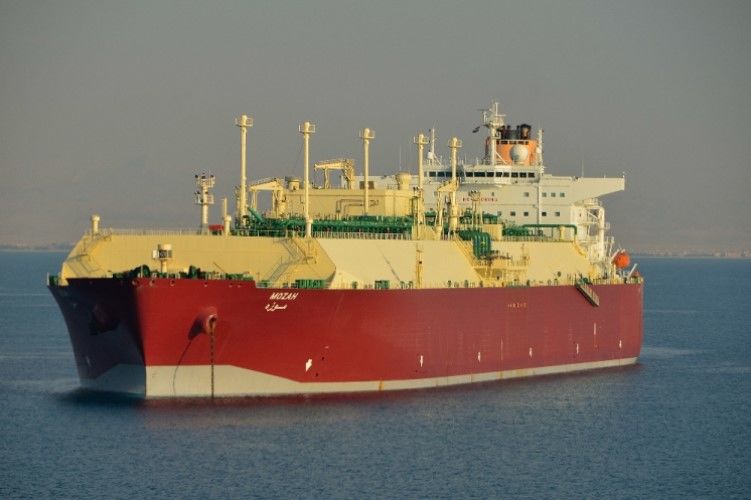
The ships are chartered to local LNG producers Qatargas and RasGas. The first is named Mozah, the namesake of the Qatari Emir's wife. The others are named:
- Al Ghuwairiya;
- Bu Samra;
- Umm Slal;
- Al Dafna;
- Al Mafyar;
- Al Mayeda;
- Al Samriya;
- Lijmiliya;
- Mekaines;
- Shagra;
- Aamira;
- Rasheeda;
- Zarga.
Each tanker has 5 membrane tanks. The design of the vessels is specially "adjusted" for the passage of the Suez Canal. They will not be "allowed" to enter the Panama Canal due to their dimensions.
Queen Mary 2
Country - Great Britain
Length - 345 metersс
Cunard Line's flagship ocean liner. The "prefix" in the name RMS (Royal Mail Ship) clearly hints at the ship's speed and reliability.
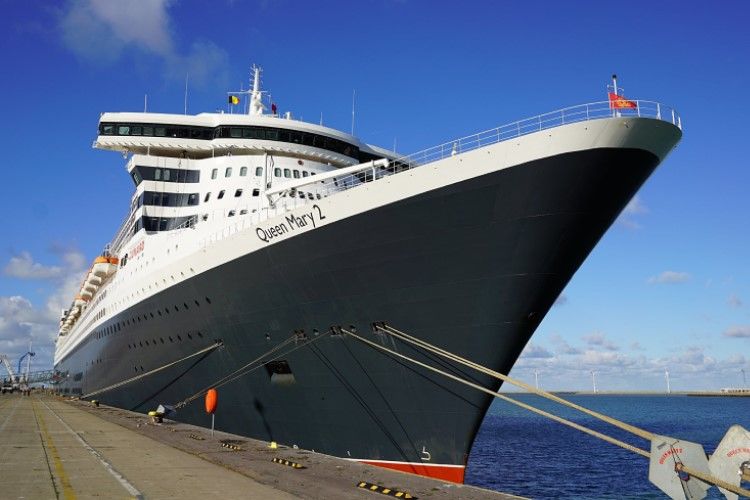
Construction was carried out at Chantiers de l'Atlantique shipyard (France) in 2002-2003. The liner made her maiden voyage on the Southampton-Port Everglades route on January 12, 2004.
The first home port was Southampton. In December 2011 for economic reasons it became Hamilton (Bermuda).
Nevertheless, "Queen Mary" continues to sail under the British flag. Since 2007, the liner makes one round-the-world voyage every year. It starts and ends in Florida and takes about 80 days.
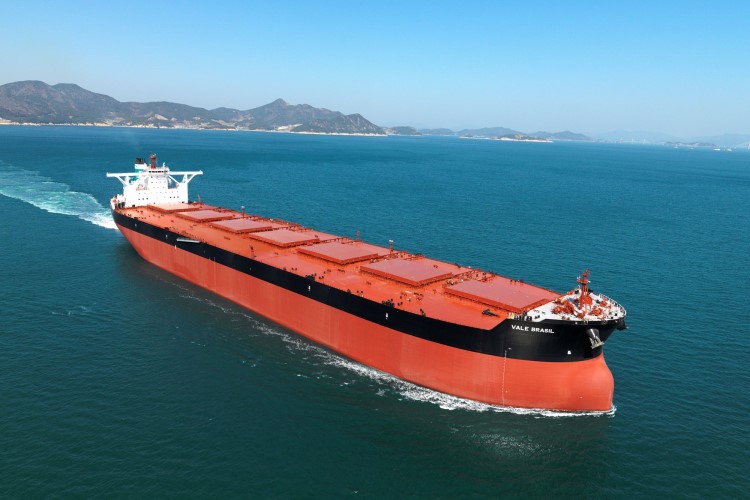
MS Vale Brasil
Country - Brazil
Length - 362 meters
Since 2014 it has been called MS Ore Brasil. The bulk carrier was built in South Korea. Launched on 31.12.2010, commissioned on 30.03.2011. Home port - Singapore.
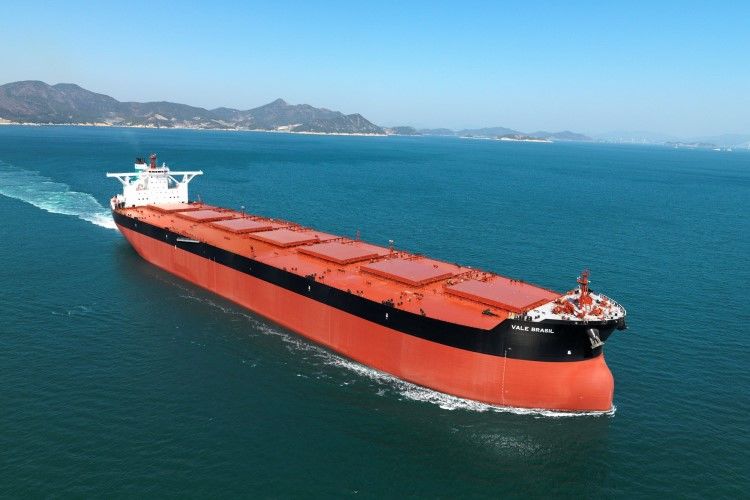
The ship was commissioned by the Brazilian mining company Vale specifically to transport ore from the mine site to Asia.
Its dimensions allow it to call at very few ports in Brazil, Europe and China. Despite its fuel oil consumption (over 96 tons per day), it is cost effective.
"Payback" is provided by the large volume of holds (almost 220000 m³). Therefore, there is a probability that the project, which envisages the construction of seven vessels, will be fully realized.
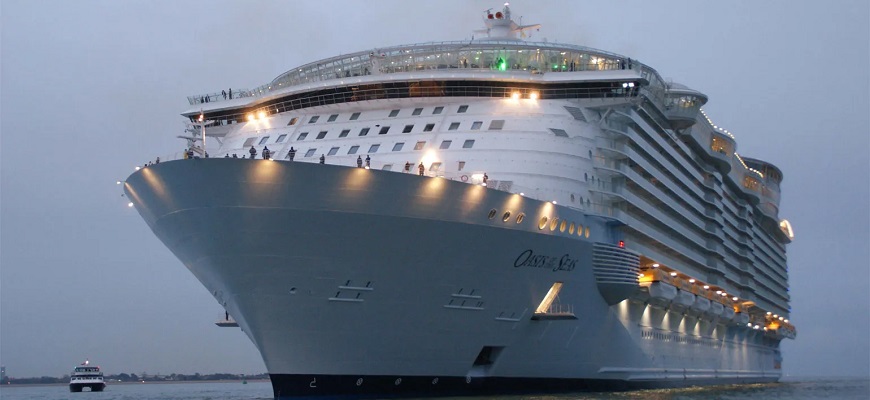
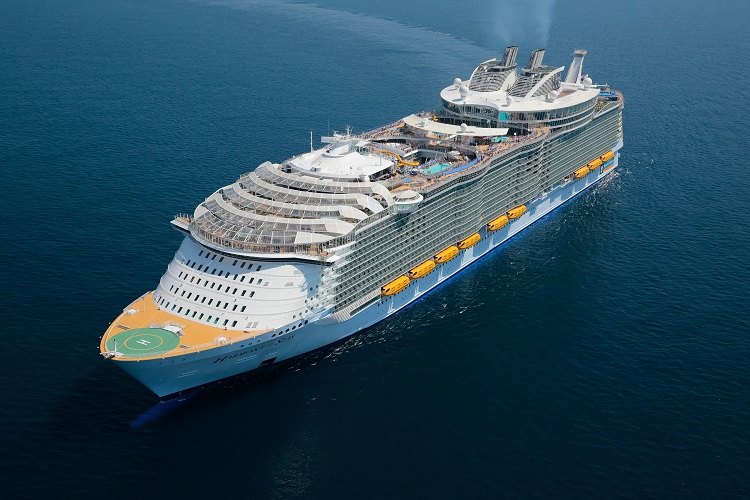
Symphony of the Seas
Country - USA
Length - 362.5 meters
Oasis-class cruise ship, fourth in the series. Owned by Royal Caribbean International. Built at the Chantiers de l'Atlantique shipyard (France) in 2015-2017. Handed over to the owner in 2018.
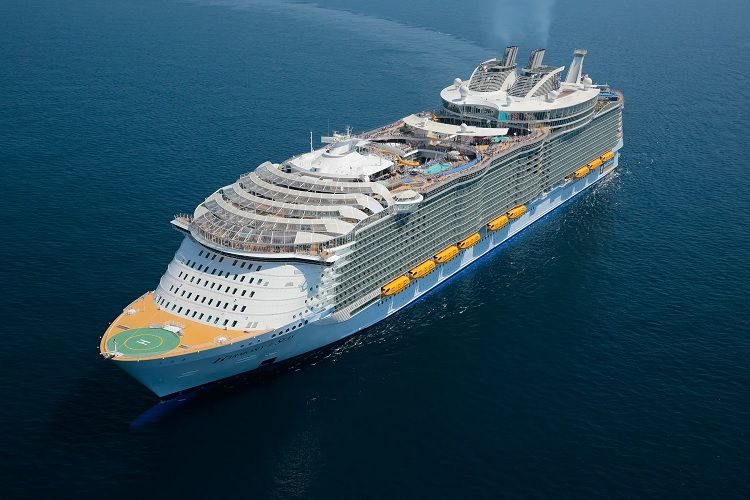
It is an 18-deck liner with a maximum "load" of 6680 passengers (plus crew - 2200 people). In addition to cabins, the Symphony of the Seas has restaurants, swimming pools, a water park, a basketball court, a rock-climbing wall and a "park" of tropical plants.
Initially, the liner sailed the Mediterranean, departing from its home port (Barcelona) and returning there. As of 2018, it can be used to travel on several itineraries in the Caribbean.
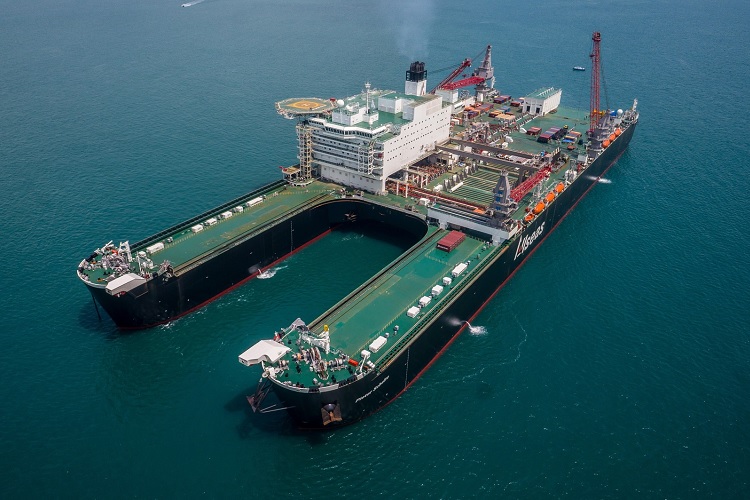
Pioneering Spirit
Country - Switzerland
Length - 482 meters
Specialized vessel for installation, dismantling and transportation of drilling platforms, laying underwater pipelines. Designed by Deltamarin (Finland) and built at the shipyard in South Korea in 2013-2014. The customer and owner is Swiss Allseas. Home port since 2015 - Valletta.
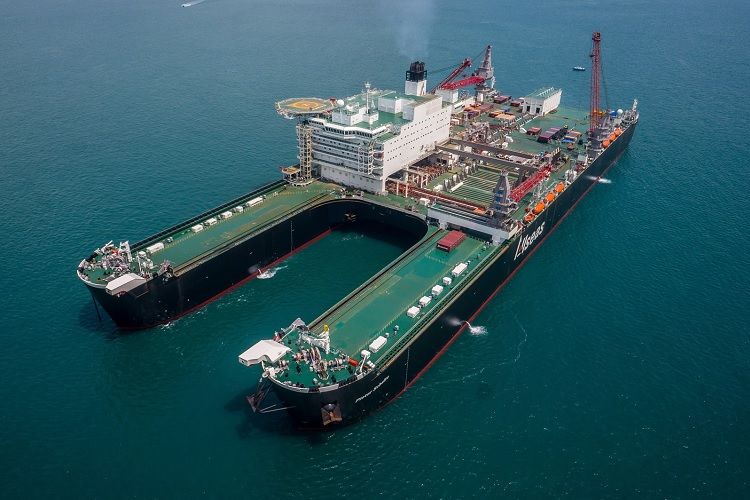
The ship was planned to be named after the father of the ship's owner, Peter Schelte Heerema. However, the idea was abandoned due to strong public reaction (the reason being his service in the Waffen-SS).
The ship is actively operated. In particular, it took part in docking the deep and shallow water parts of the Turkish Stream gas pipeline and in the construction of Nord Stream-2.
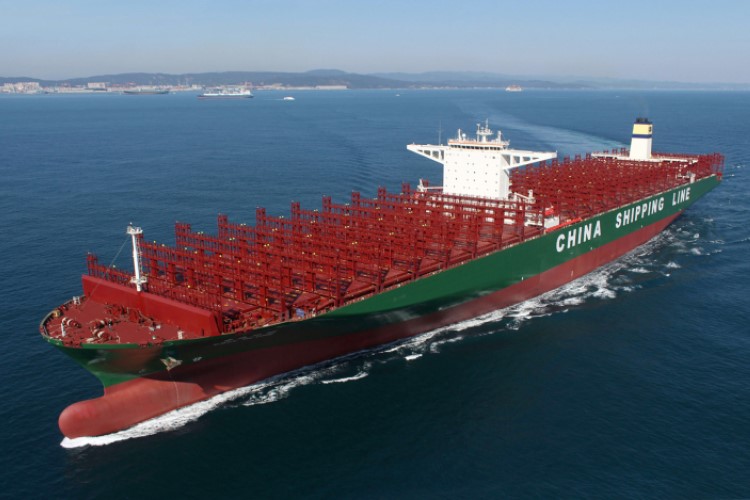
CSCL Globe
Country - China, Hong Kong
Length - 400 meters
CSCL Globe is a container ship, the first in a series of five ships. The home port is Hong Kong. It was built at South Korean shipyards in 2013-2014. As the world's largest container ship, it broke the record of Mærsk Mc-Kinney Møller. In turn, it was surpassed in 2015 by MSC Oscar.
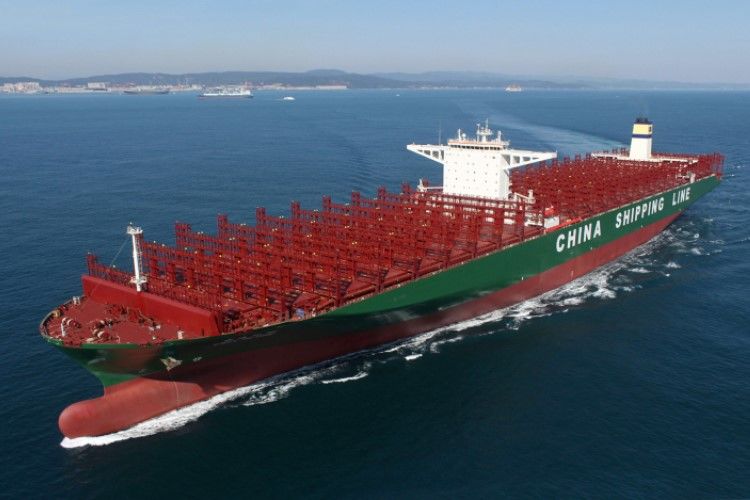
The customer and owner is CSCL (China Shipping Container Lines). After its merger with COSCO Corporation, the ship's livery changed from China Shipping Line to COSCO Shipping.
The vessel was designed as a universal vessel suitable for any trade routes between Asia and Europe. The first voyage was on the Shanghai-Felixstowe (England) route.
Knock Nevis
Country - Norway
Length - 458.5 meters
A supertanker built in Japan from 1974-1976, changing names and owners several times. Was known as Seawise Giant, Happy Giant and Jahre Viking.
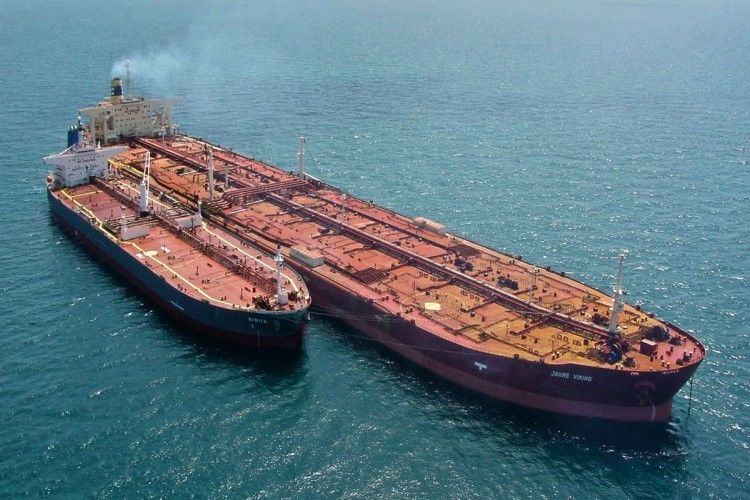
Under his first name, he made voyages from the Middle East to the USA with a cargo of crude oil. In the course of one of them became a target for a missile (Iran-Iraq war was going on) and was declared a wreck.
The ship was raised and restored. Named Knock Nevis, it was no longer used to transport crude oil from the Middle East to the United States. It was now a floating oil storage facility moored off the coast of Qatar.
In 2009, at the end of its useful life, it was once again sold and renamed the Mont. Under that name it went to India for scrapping.
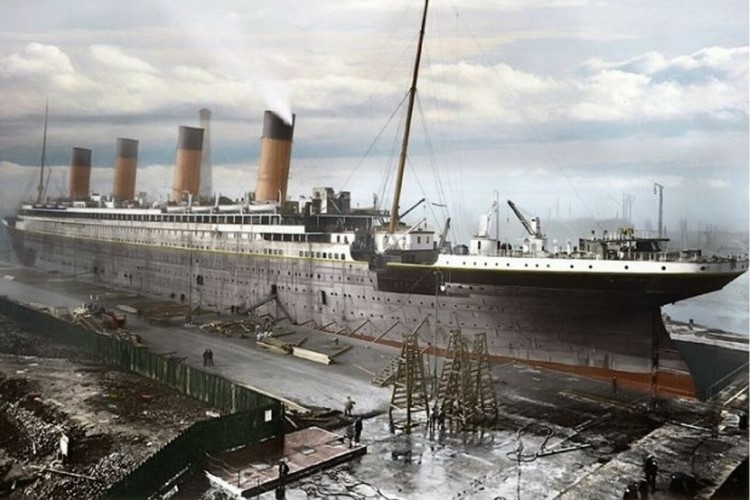
Titanic
Country - Ireland
Length - 269 meters
"Twin brother" of the transatlantic steamer "Olympic", the second in the series of the same name. It was built at the Irish shipyard Harland&Wolff in 1909-1912 by order of White Star Line.
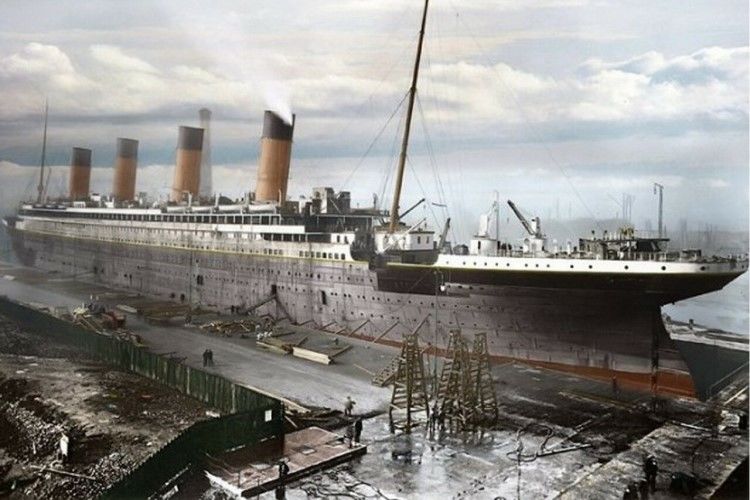
The first and only voyage was from Southampton to New York. The ship did not reach its destination, colliding with an iceberg in the North Atlantic on the night of April 14-15.
The ship, with several holes in its hull, sank quickly. There were 1,317 passengers and 908 crew members on board. 1,496 people died in the disaster, the rest were rescued by the steamer Carpathia.
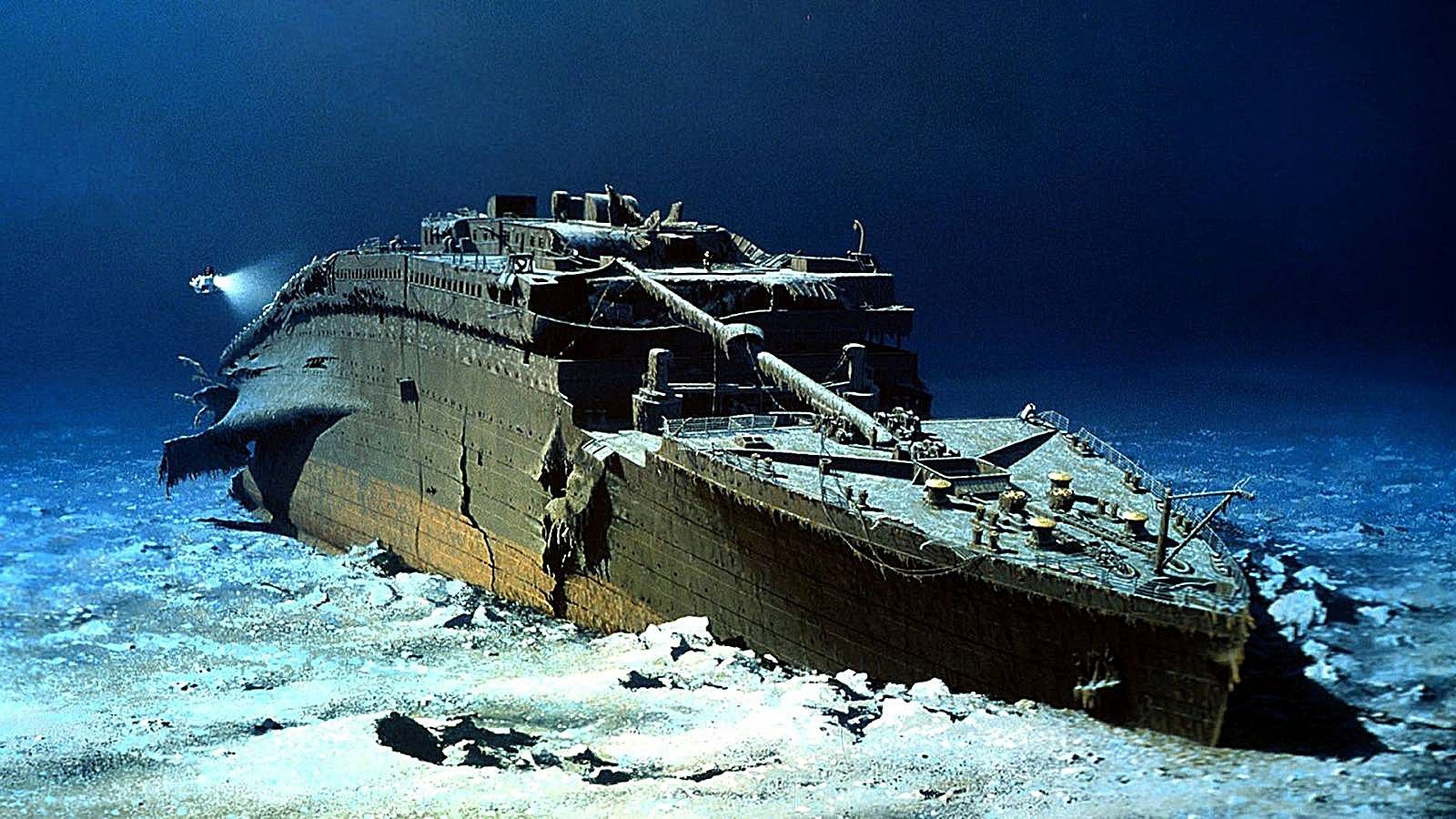
The wreck of the Titanic was only discovered in 1985. From a depth of 3,750 meters, many small items were recovered, but the hull was deeply buried in the mud and could not be raised.