Top 10 countries with the smallest armies - see who has the smallest armed forces
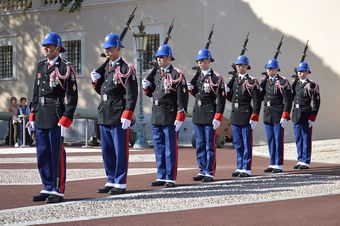
An army is always costly. And there is hardly a country in the world that maintains its own army just for the sake of parades or prestige. As they say, "just to be" - the armed forces always fulfill a certain function, whether it is the defense of territorial integrity or economic interests. Because the Napoleonic maxim "if you don't want to feed your own army, you will feed someone else's" has not lost its relevance to this day.
And there is an ironclad rule that says that if a country has modestly equipped armed forces, it almost always has a powerful ally that will stand up for it in case of conflict. True, it comes at a price. Sometimes dearly. Even to the point of limiting sovereignty. However, governments and residents of such countries often assure that this sovereignty is not a necessary thing.
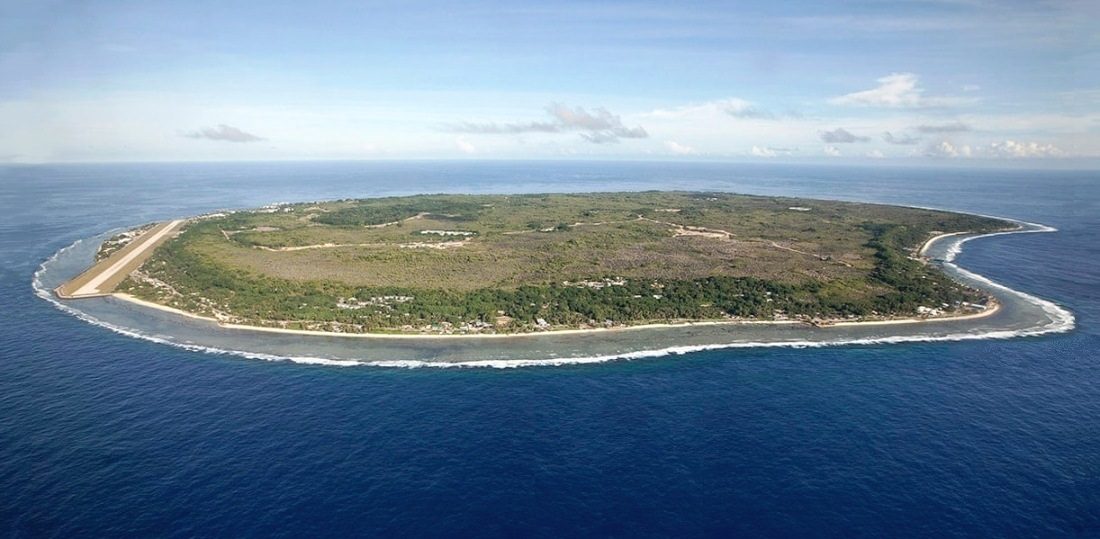
Nauru
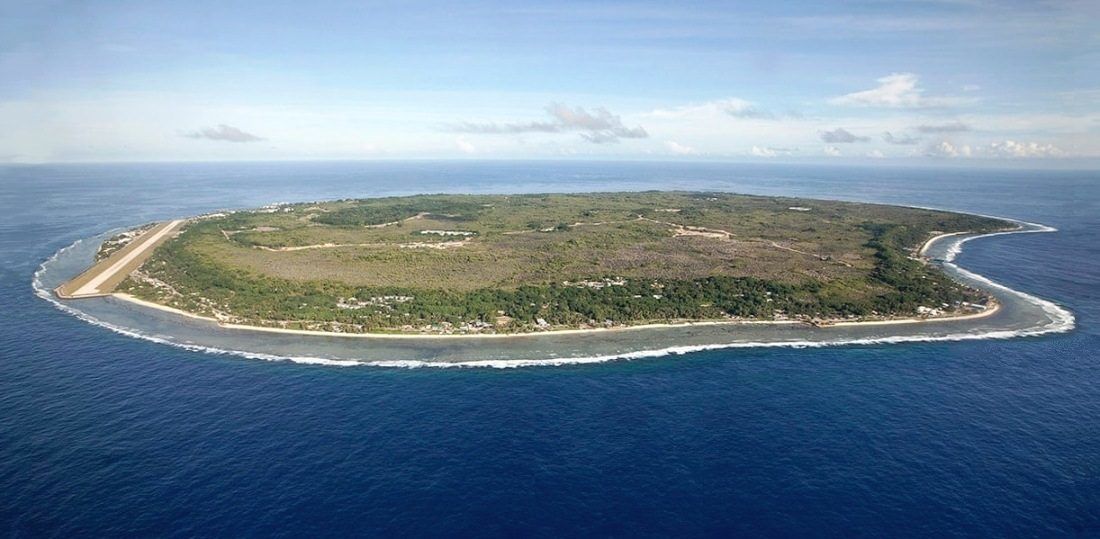
A record-breaker in minimizing its own armed forces - this island dwarf state has only 23 military personnel. And in case of hypothetical external aggression there is an informal agreement with Australia - which should stand up for this small equatorial island state.
Therefore, the structure of the Armed Forces of Nauru is limited to an incomplete platoon of communication, which is maintained with one of the units of the Australian army on a permanent basis. Apparently, there is some kind of "plan X", according to which the Australian paratroopers will land on this piece of land of 21, 3 km2 in case of need.
The reserve of this army is served by police formations, which by the level of equipment do not differ much from the army.
Tuvalu
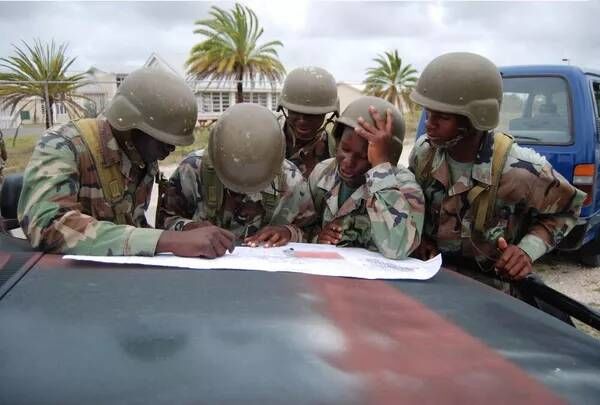
The size of the country is slightly larger than Nauru (26 km2), but the number of armed forces is much larger - almost 400 people. Apparently, the ocean will protect better than any trenches and barriers. Unless foreign marines will come, which is unlikely, given the isolation of Tuvalu and its remoteness even from passenger sea routes. Even a military base is unlikely to be placed here - the islands and atolls on which the state is located are very inconveniently scattered.
The Armed Forces here perform more police functions, or even emergency units, and with broad powers. Such as patrolling coastal waters, foreign intelligence, search and rescue operations, law and order, immigration control and customs. There is no separate budget line for the army. In addition, Tuvalu is not a member of any military alliances or blocs.
Tonga

This island state geographically belongs to the Polynesian archipelago, and is located on 177 islands of the archipelago of the same name. It has a full-fledged Armed Forces, consisting of regular units, territorial defense and reserve. The total strength is about 480 people.
This army even has historical combat experience, as it participated as part of the New Zealand Armed Forces in both the 1st and 2nd World Wars. In recent history, the Tongo Army has been involved in peacekeeping operations in the Solomon Islands and Iraq.
Allied relations with local treaties are concluded with the armies of the USA, Australia and New Zealand, which provide the Tongo Army with logistical support. In particular, they helped in the formation of a modern marine infantry and aviation unit.
Marshall Islands
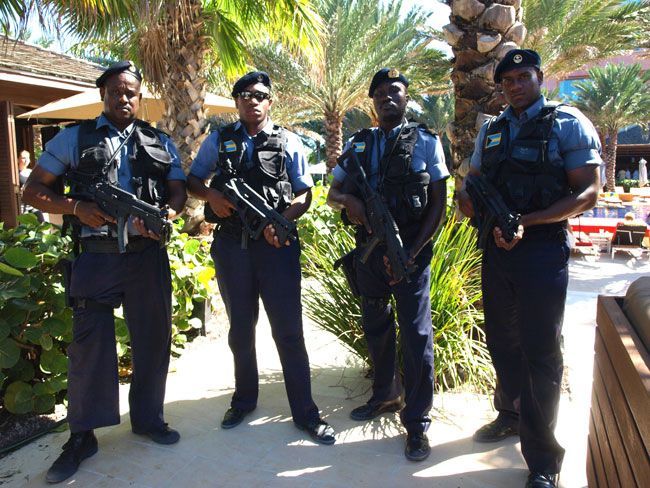
The Marshall Islands Army consists of 500 ground forces. There is also aviation - not very sophisticated and slow-moving piston aircraft and helicopters. Its main function is to transfer units from one point of the country to another, i.e. from island to island, from atoll to atoll.
Fleet - 7 combat small and fast ships, designed to protect the maritime borders and patrol the exclusive economic zone of the state. In practice, the Marshall Islands Armed Forces are tightly tied to the interaction with the U.S. Army. And practically they are subordinated to its command directly, for which there are positions of coordinating officers.
San Marino

The armed forces of this enclave state (it is surrounded on all sides by Italian lands) have very specific functions: along with general military training, their servicemen serve as guides to local sights (almost at the level of special forces).
Which, apparently, is quite justified, as the main income of the state comes from tourism. Although the officially declared duties of this small army of only 130 people are reduced to ceremonial processes (guarding the presidential palace), assisting the police in law enforcement actions and border service - which in the conditions of association with the EU has long turned into a formality. And the position of an enclave automatically puts San Marino under the protection of NATO, as well as Italy, which is "external" to it.
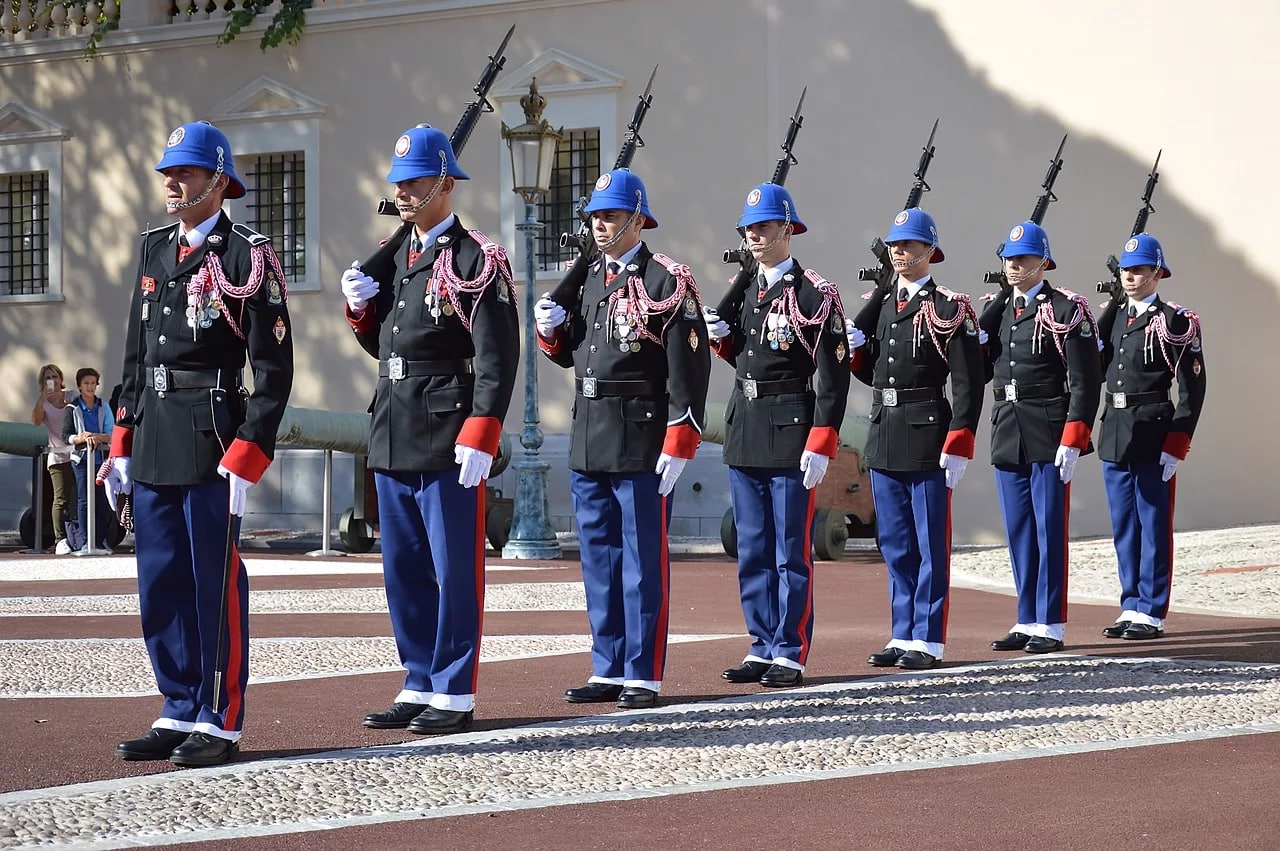
Monaco
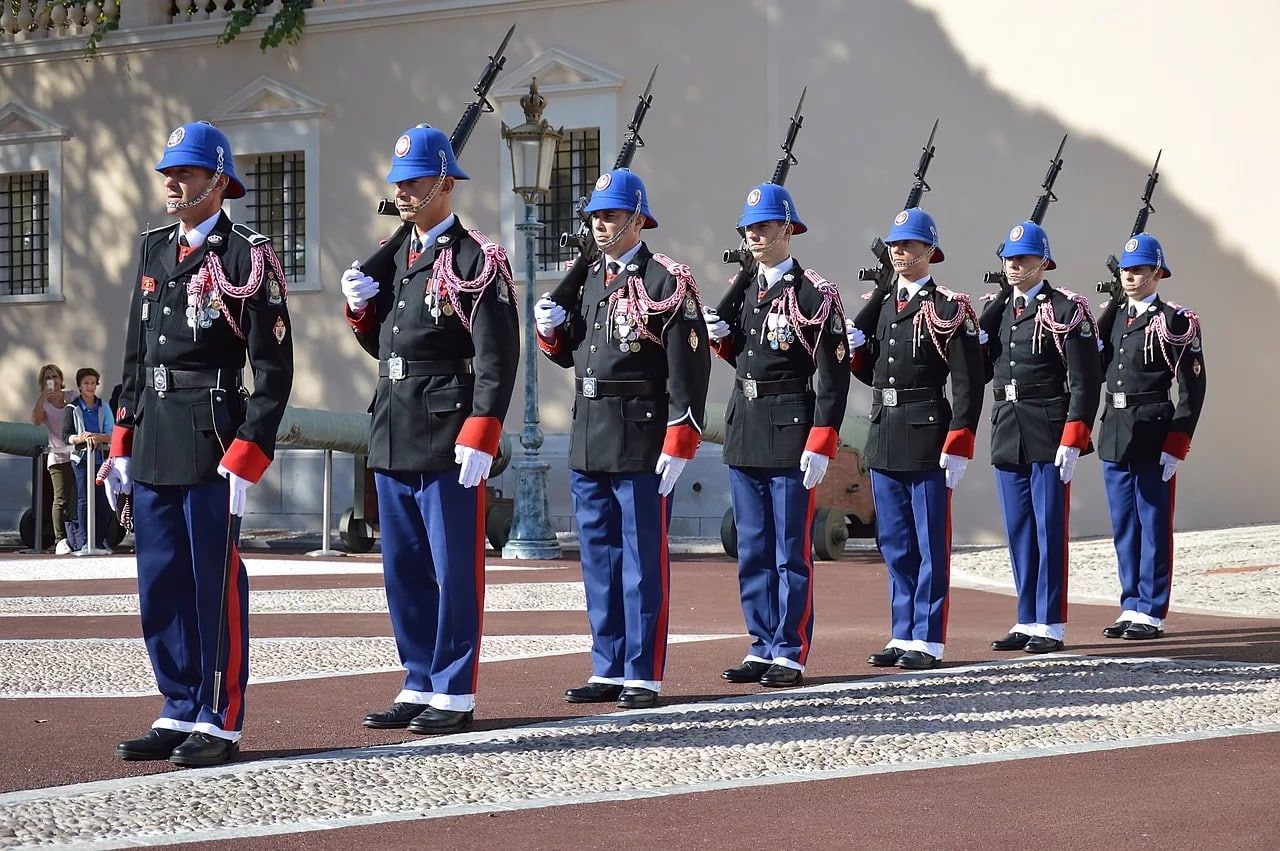
There is no Ministry of Defense in Monaco. But there is an army. How come? It's simple - the army here is subordinate to the Ministry of the Interior, because in case of martial law it is completely dependent on the decisions of the French command.
It consists of a military engineering corps (240 people), 130 servicemen of land forces, a dozen of civilian specialists (mostly tied to space communications) and a company of carabinieri (110 people) with their rescue and special equipment - that is, it is essentially the forces involved in emergency situations.
The Monaco police force of 400 men is not part of the armed forces, but is responsible for neutralizing criminals and guarding the border.
Vanuatu
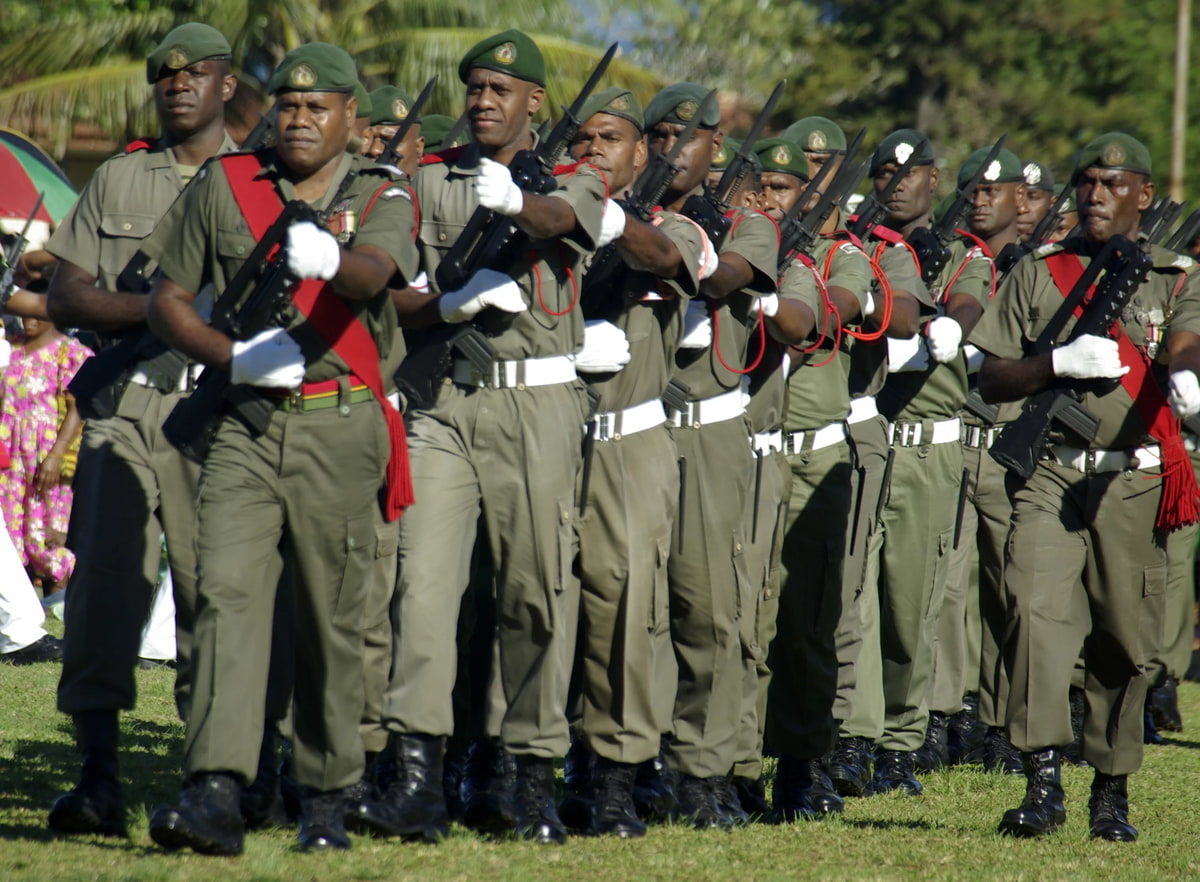
The Pacific republic of Vanuatu, which straddles the Melanesian archipelago, does not have an army in the conventional sense. But it does have a permanent volunteer force, working closely with the country's police force, called the "mobile force" - with an army-style command structure and similar tasks in case of emergencies requiring the protection of territorial integrity.
There are also maritime border protection teams, with appropriate quite modern watercraft. So the total number of these paramilitary formations (not counting the police itself) reaches 500 people.
In general, there are more than 50 thousand men of conscription age in the republic, and potentially the country is ready to call 33,837 men "under the gun" (as of 2018). We must assume that since there are such mobilization plans, these reservists undergo appropriate military training.
Brunei
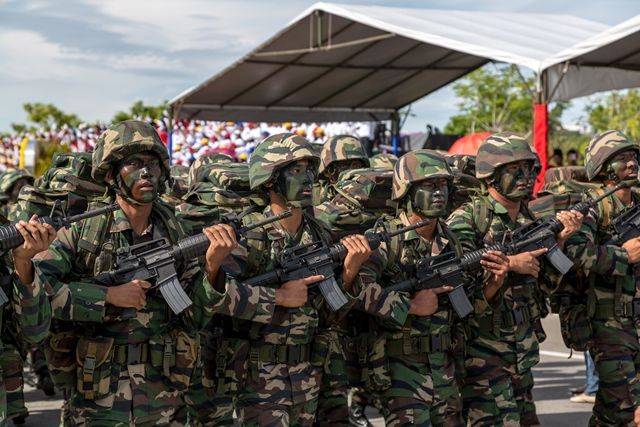
The state system here is a monarchy, or rather a sultanate. There is a small but quite full-fledged army with three helicopter squadrons and one squadron of transports, with air defense forces and a navy. The ground forces are armed with 45 light British tanks "Scorpion" and 39 armored personnel carriers VAB from the company "Renault".
Artillery is represented by 24 82 mm mortars and anti-tank systems of 67 mm caliber. The number of infantry units is three battalions and a support battalion.
The purpose of creation, financing and maintenance of the Brunei Army, officially declared - "to protect the freedom, independence and territorial integrity of the state".
The Sultanate's army is not part of military blocs, although there is interaction at the headquarters level with the monarchies of the region.
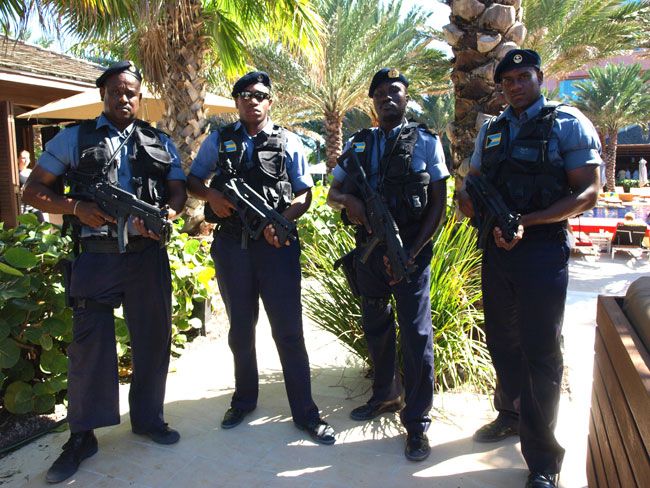
Barbados
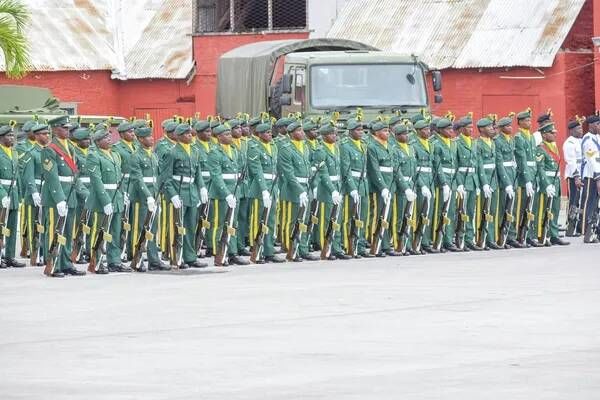
The army is small, only 610 men, but very capable. The official status is the Barbados Defense Force.
Army standards here are very strict, and those who did not pass them from the Armed Forces are expelled. But taking into account that the pay for service is very good and soldiers are motivated to meet the high status, cases of expulsion for failure to meet the standards are extremely rare.
The Armed Forces of Barbados include the "Barbados Regiment" under the command of Lieutenant Colonel Carlos Lovella, units of the Coast Guard and Special Forces to combat drug trafficking, aka the Police Assistance Force, which performs here the functions of police special forces.
The Defense Forces are replenished by the Corps of Cadets, which trains specialists in the Marine Corps and ground forces.
Armament: tank company, MANPADS in every platoon of the ground forces, small arms. Virtually all soldiers have sabotage training.
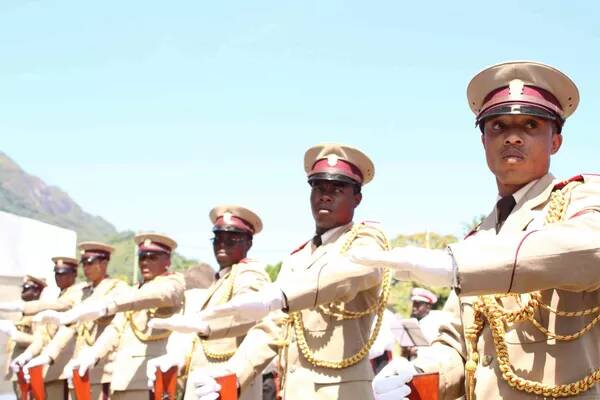
Seychelles
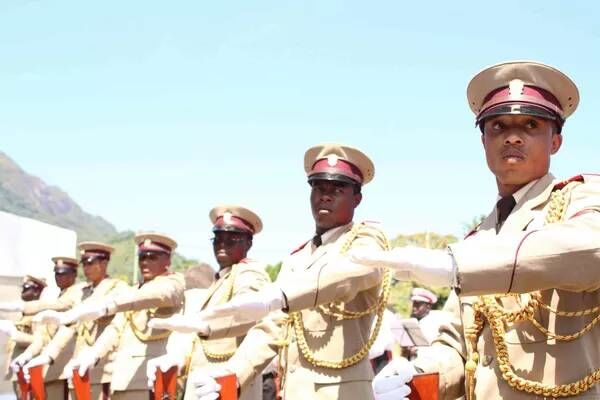
There are only 450 soldiers per 90,000 population of this island nation. However, all of them are perfectly trained, in an army with the status of "People's Defense Forces".
There is aviation with five modern turboprops. The Navy has on its balance sheet two gunboats armed with 57 caliber artillery and five patrol speedboats with machine gun armament (caliber 12, 7 "Brownnig"). The navy also includes an 80-man Marine unit, which performs both border security and special operations functions.
The main task of the Seychelles Armed Forces is to combat piracy and maritime security of the country. Non-bloc military cooperation is carried out with India and the USA.