Top 10 smallest countries by population - states with the fewest people living in them
It can be difficult to assess such a parameter as the size of a country. After all, everything is learned in comparison. In this sense, a flight from Petropavlovsk-Kamchatsky to Moscow, which lasts 9 hours, will give less impressions than crossing the territory of Belgium from east to west by car for the same 9 hours.
Because during the flight you will see almost nothing - you will only think what a huge distance you have traveled at the speed of almost 1000 km/hour. And a 9-hour trip will give you a lot of new emotions, knowledge and, perhaps, acquaintances.
But the importance of a country does not always depend on its size. Even the tiniest state in a certain sense is important simply by the very fact of its existence. Firstly, by its membership in the UN, where the principle of "one state - one vote" is professed; secondly, as a carrier of unique culture, as an opportunity to preserve and demonstrate the diversity of national characteristics, which in turn serves as the main source of income for some states... after all, nobody canceled tourism!
And the political "weight" of small states is sometimes incommensurable with their size. And the most striking example of this is Vatican, with which we will start the story.
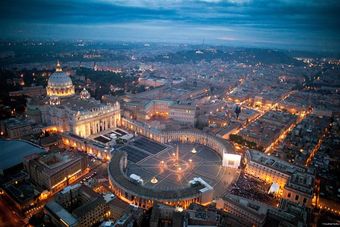
Vatican
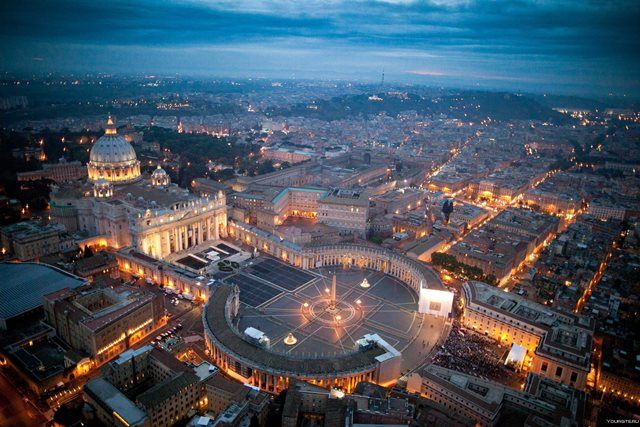
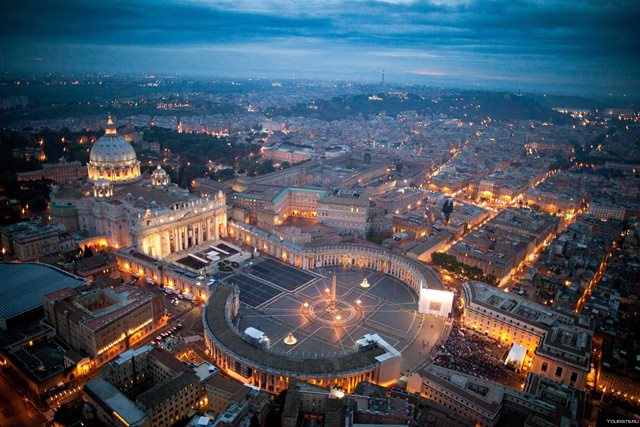
The citizens, or subjects, of this state, total 841. These are the Pope himself, his conclave of cardinals and all sorts of servants of the Holy See.
What is interesting is that being born in the Vatican does not automatically give a person citizenship of that country. Moreover, if you do not belong to the Catholic denomination and do not have a spiritual dignity - here you are just a guest or employee.
This theocratic entity is ruled by the Pope, who has absolute power here. He is elected by the conclave of cardinals for life, until his natural death or abdication.
What is interesting, even not all citizens of Vatican "fit" to live in their "home", so they have housing in Rome - on the territory of which, in fact, the Vatican is located.
The population of the country is determined by the results of regular censuses, and its area is 0.44 km2 , and the Vatican has practically nowhere to grow. But the Pope is hardly worried about it, being content with the influence that the Holy See has in the modern world.
Nauru
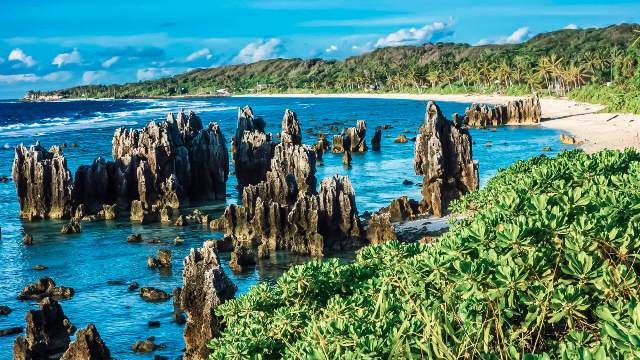
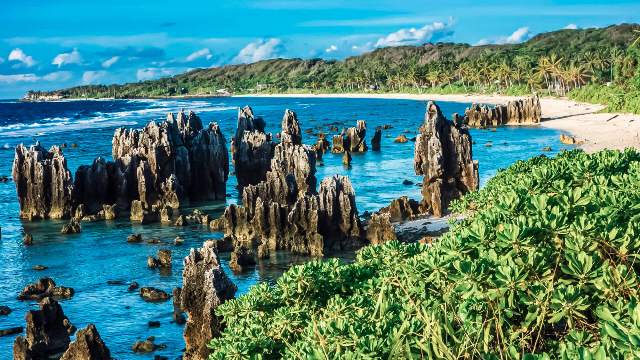
A coral island nation in the western Pacific Ocean. On this isolated 21 km2 piece of land, 9,488 people live in scattered and compactly clustered houses. There are no towns or villages as we know them. The whole island, which can be crossed on foot in half a day, is practically one big village. There isn't even a capital. And what replaces it is called "Meneng District", the parliament and government offices are located in "Yaren District".
Yaren is also home to an airport, which has no "international" status due to its modest size. Therefore, to get to Nauru, you need to use local airlines, which connect the island with states such as Papua New Guinea, the Solomon Islands or the Marshall Islands. And yes - it is a parliamentary republic.
Tuvalu
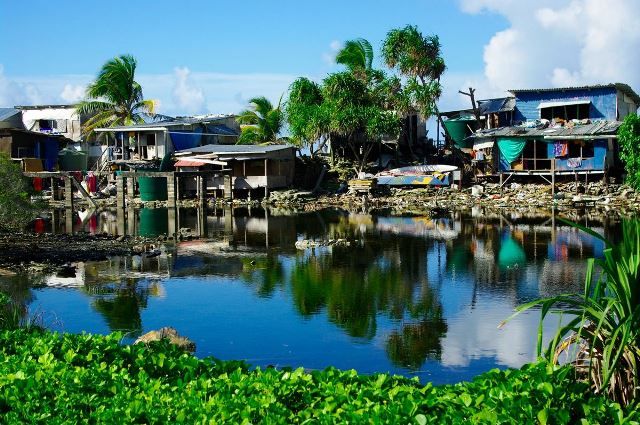
Another island nation located in the Pacific Ocean, in Polynesia. This time with a monarchical form of government.
However, in the next few decades Tuvalu may disappear from the political and geographical map of the world. Because this island archipelago is gradually going under water, and its inhabitants are purposefully relocated to nearby territories. How "nearby"?
Fiji, for example. Or to the islands of New Zealand. Or to Australia. And all these geographical locations are hundreds, or even thousands of kilometers from Tuvalu. Or, as it was formerly known, Ellis Island.
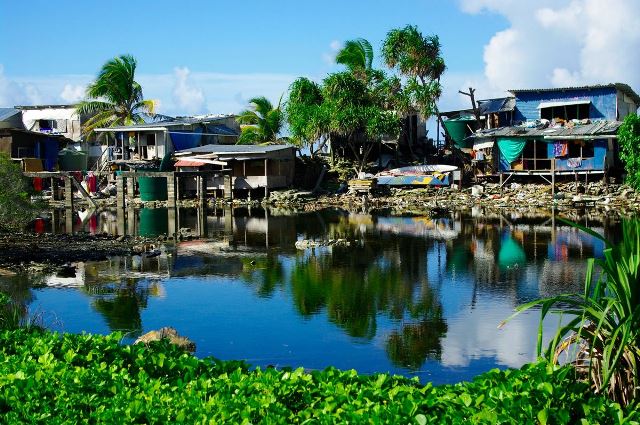
But while Tuvalu exists, has a population of 10,782 people and even the capital city of Funafuti, where up to 47% of the population lives.
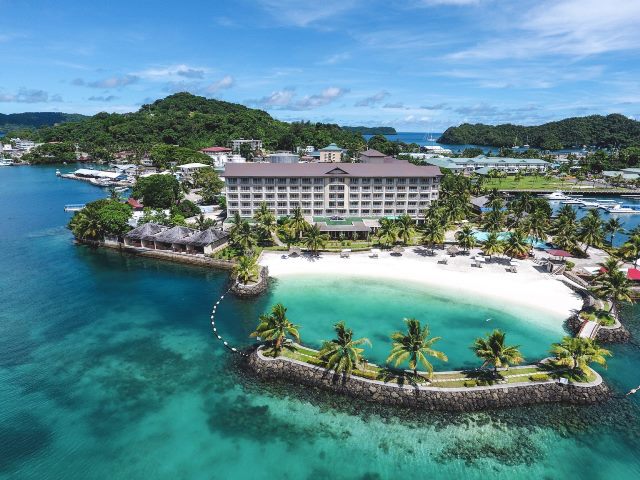
Palau
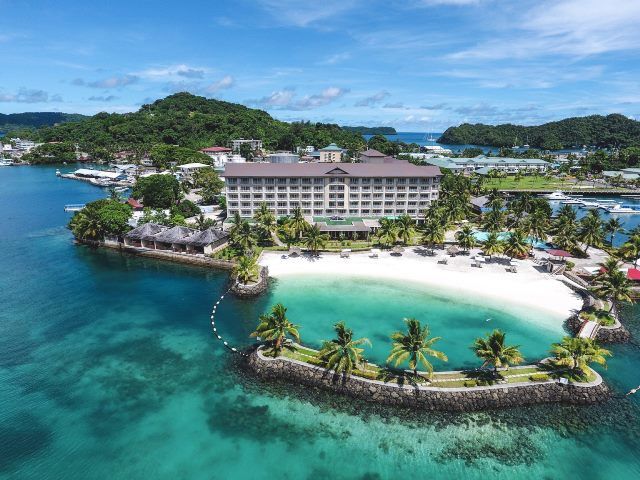
A presidential republic with the capital city of Ngerulmudya, a total area of 458 square kilometers and a population of 21,780, with a density of 43 people per square kilometer.
The main agricultural crops are coconut palm and tapioca. On satellite sims the islands look like pieces of fluffy moss floating in the azure ocean.
The closest neighbors are the Philippines (up to them 800 km in a straight line) and Indonesia.
There are no armed forces and political parties on the archipelago, as the country is associated with the USA, has no national currency (only North American dollars are used here) and is practically not engaged in anything except tourism industry.
Except that artistic crafts with a national bias thrive, and fishing is there - seafood is the only export.
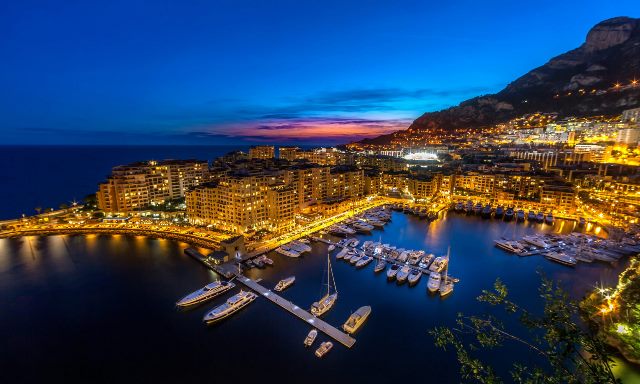
Monaco
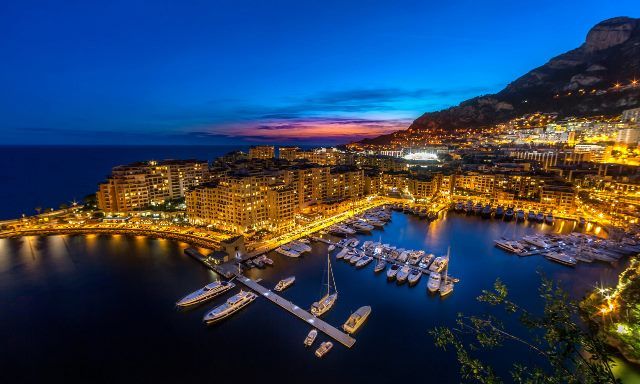
One of the smallest countries on the planet Earth: 30,508 people live here on an area of only 2.02 km2. Which is perhaps a record population density of 18,679 people per square kilometer! The basis of government is a "dualist constitutional monarchy", which actually means that the monarch's power is limited by parliament.
The monarch here is the Prince of Monaco, currently Albert III, who sat on the throne after his father René III, famous for marrying Hollywood actress Grace Kelly.
Monaco is a territory associated with France, even the national currency is the euro, and there are no armed forces. The economy is based on tourism, the annual Formula 1 motor race and the world-famous casino, where fabulous sums are lost.
The natives of the country are called Monegasques. They have in their distant ancestors, in addition to the Hellenes and Genoese, the Phoenicians themselves.
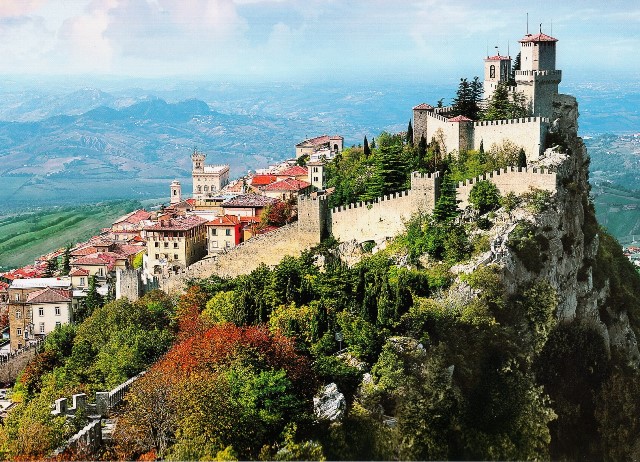
San Marino
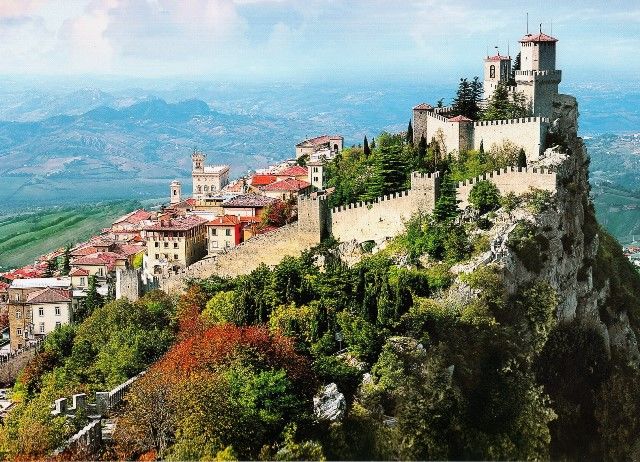
An enclave state, as San Marino is located inside the territory of Italy. It is a parliamentary republic with a population of 32,742 and an area of 61 km2.
It is the oldest state in Europe, and its relative independence has been preserved due to its unique geographical and landscape location - it is situated on the south-western spur of the three-headed flat mountain Monte Titano, from which the Apennine massif begins on the hilly plain here.
Tourist flow to the territory of San Marino is up to 3 million people a year, so tourism can be called the main source of income of this small state.
San Marino is governed by two captains-regents appointed by the Grand General Council. Which, in turn, is an elected body.
According to legend, this country was founded in 301 AD by a Marino, a stonemason from the island of Rab on the Adriatic. He was looking for a secluded place where he could pray to God without fear of barbarian raids. In time, a whole village of believers sprang up near his monastery, and there was only one step left for the establishment of a monastery.
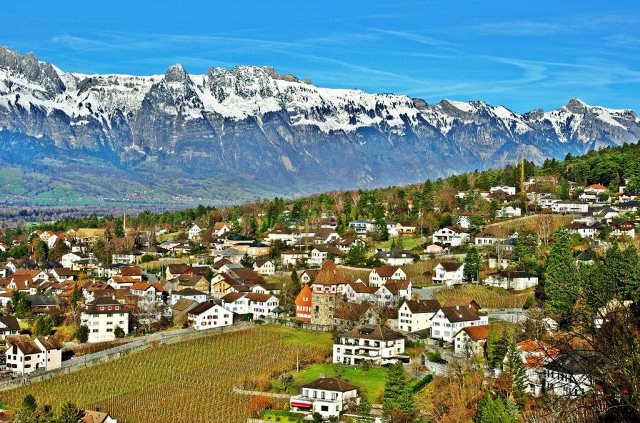
Liechtenstein
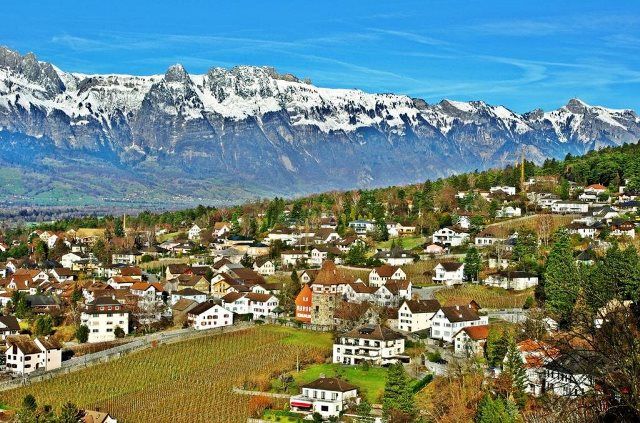
There are 37,313 people living here in 160 square kilometers(as of last census in 2019). The form of government of this country is a constitutional monarchy, the supreme ruler is a prince.
The official language is German, but it is a very peculiar dialect of German, called "Alemannic dialect", which bears little resemblance to classical Hoch-Deutsch.
The Prince of Liechtenstein exercises legislative power through Decrees on an equal footing with the Landtag Parliament, and approves the government appointed by the Parliament.
The capital is called Vaduz, after the princely castle, one of the most beautiful buildings in Europe.
The geographical location is very interesting: Liechtenstein is located on the western spurs of the Alps and is "squeezed" between Austria (east) and Switzerland (west), and on the western part flows one of the most full-flowing rivers in Europe, the Rhine.
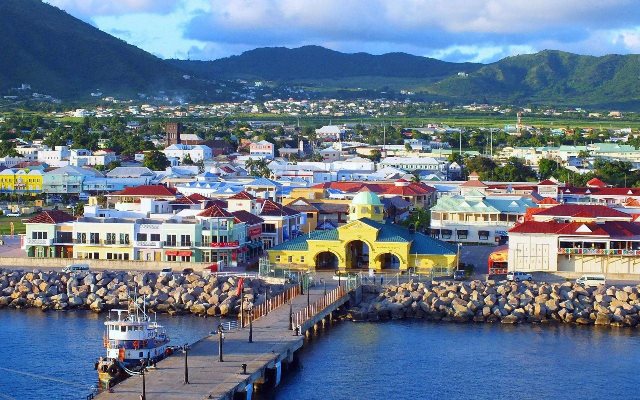
St. Kitts and Nevis
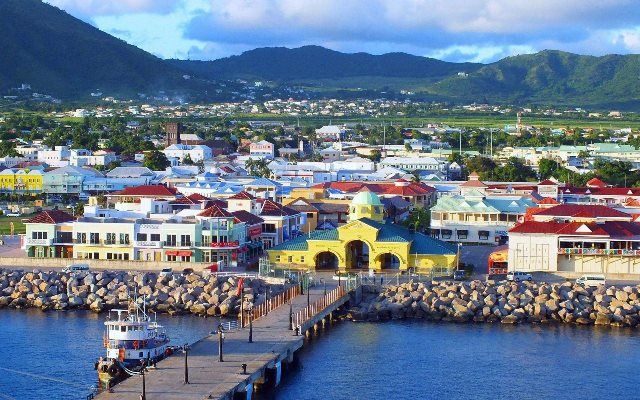
Located in the warmest sea on Earth, the Caribbean Sea. It consists of two islands, St. Kitts and Nevis, with a total area of 261 km2 and a population of 51,538.
The agriculture of the islands meets the needs in food only half - the rest is imported from the countries of the British Commonwealth, where St. Kitts and Nevis is a full member, so the nominal head of state - the British monarch.
Cultivated agricultural products - bananas, yams, rice, coffee, peanuts, though mainly the areas of cultivated land are occupied by sugar cane (up to 1/3 of all agricultural lands). From animal husbandry - goat and sheep breeding.
Geographically they belong to the Lesser Antilles, the origin of both islands is volcanic, with mountainous landscape.
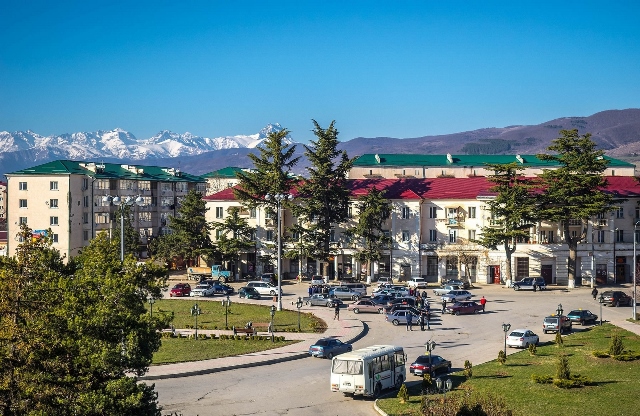
South Ossetia
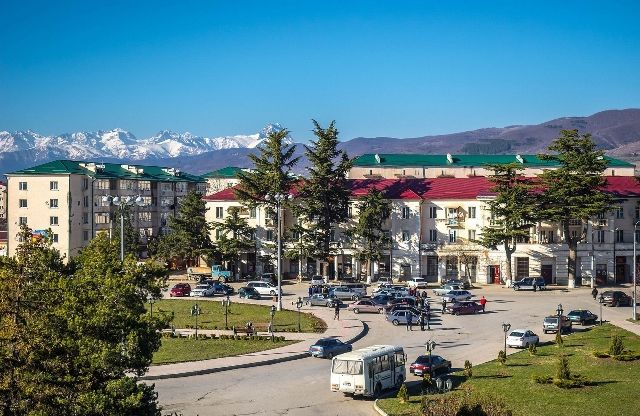
One of the youngest states, little recognized by other countries and the UN. It was formed as a result of a short-lived war of independence with Georgia.
It is a record-breaker in terms of area among small countries - the territory of South Ossetia is 3,900 km2, with a population of 51,547 people. The administrative center is Tskhinval, besides it there is only one settlement with the status of a city, it is Kvaisa.
Almost the entire territory of South Ossetia is mountainous with an altitude of over 1,000 meters above sea level, and the highest mountain is called Khalatsa, its height is 3938 meters.
There is practically no industry, the inhabitants of the country are engaged in agriculture.
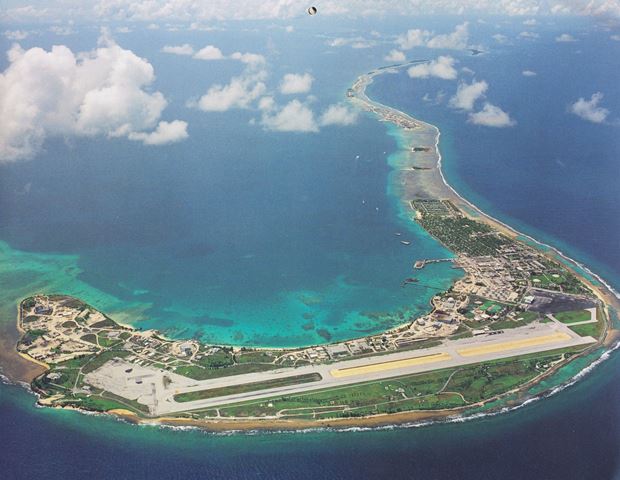
Marshall Islands
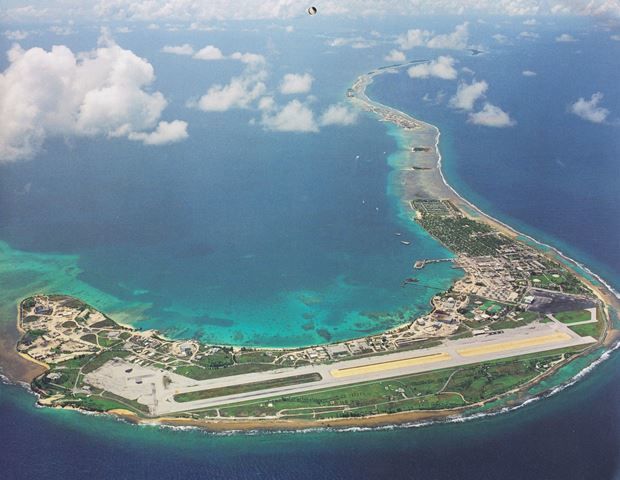
A country with a republican form of government with the capital city of Majuro. It is part of a cluster of atolls and islands in Micronesia just north of the equator.
Here, on the area of 181 km2, live 53 158 people, mainly engaged in cultivation and processing of what gives coconut palm, and this is wood, and fruit, and plant fiber from the trunks, from which are made extremely strong so-called "Manila hemp" - in our household it is common on cat scratching posts. Breadfruit, bananas and taro are also grown.
There are practically no fresh water reserves - it is either rainwater from frequent tropical downpours or imported.
The main source of financial revenues is tourism, services and agriculture, as well as the country's offshore status.