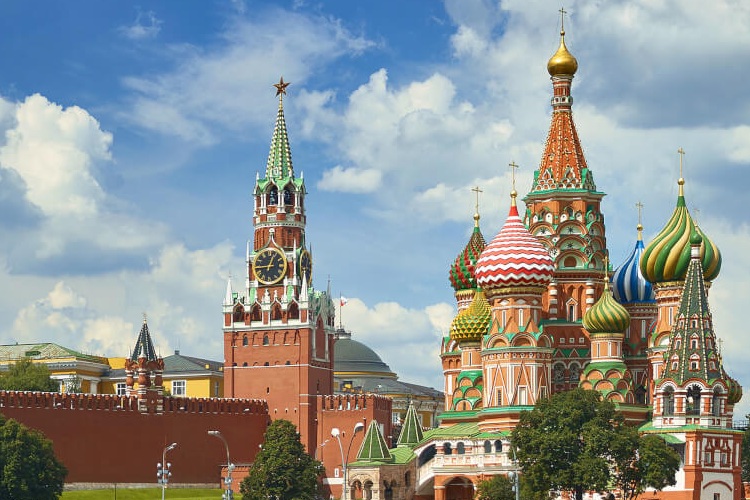
Top 15 largest countries in the world by area - ranking in ascending order

States on Earth vary greatly in terms of the territory they occupy. Among them there are both "dwarfs", which are even difficult to find on the map, if you do not know in advance where to look, and real "giants", occupying far more than one time zone, climatic zone and so on.
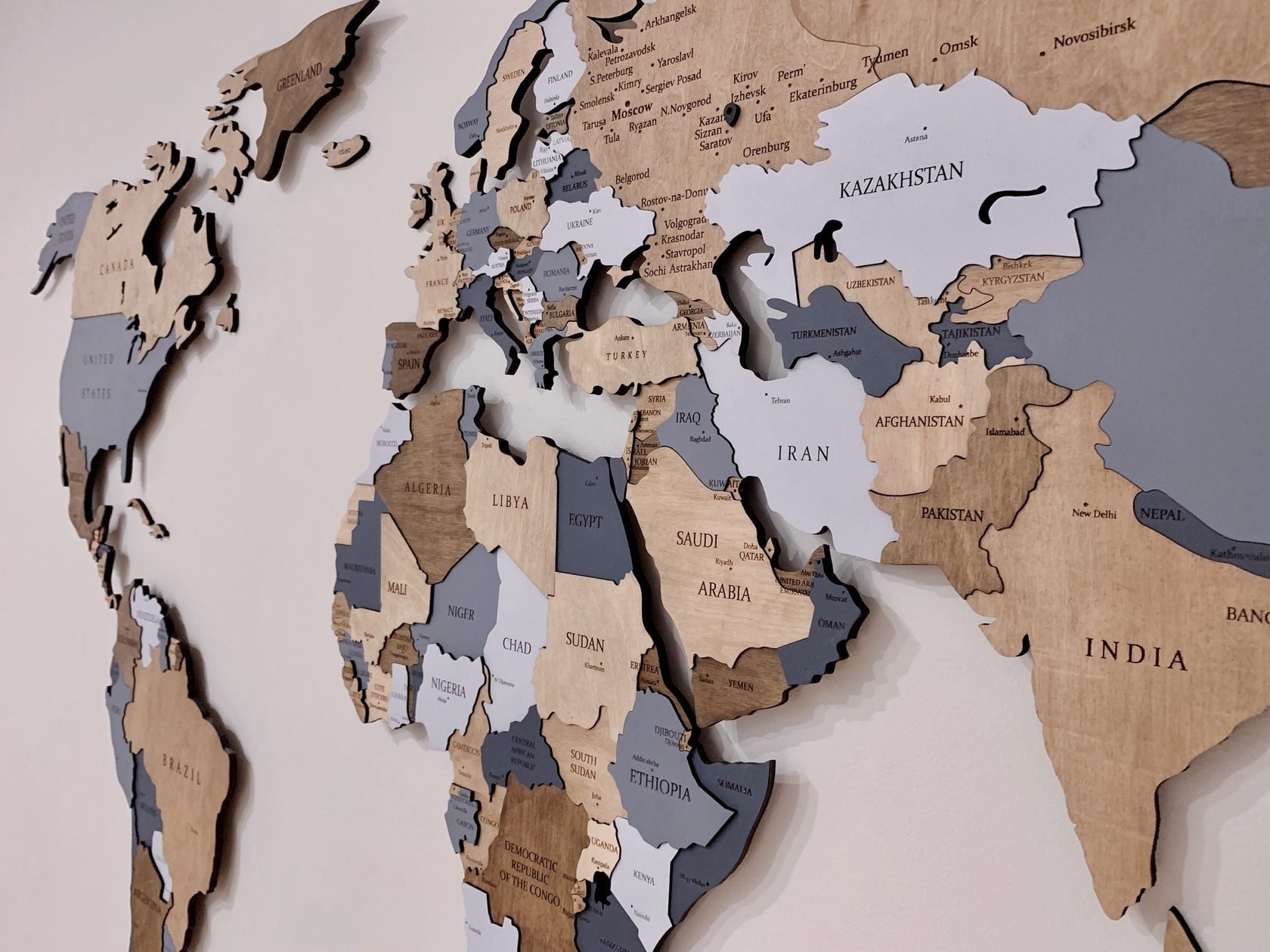
In this article, we decided to collect and describe the largest countries in the world by the area of their territory. Understanding the scale of these countries not only allows you to understand their geographical and cultural features, but also to think about what role these huge territories have played in the historical, social and cultural development of the state.
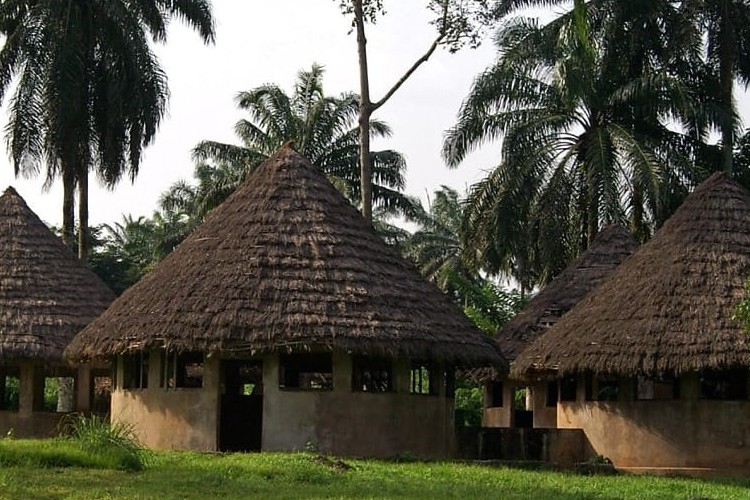
Sudan
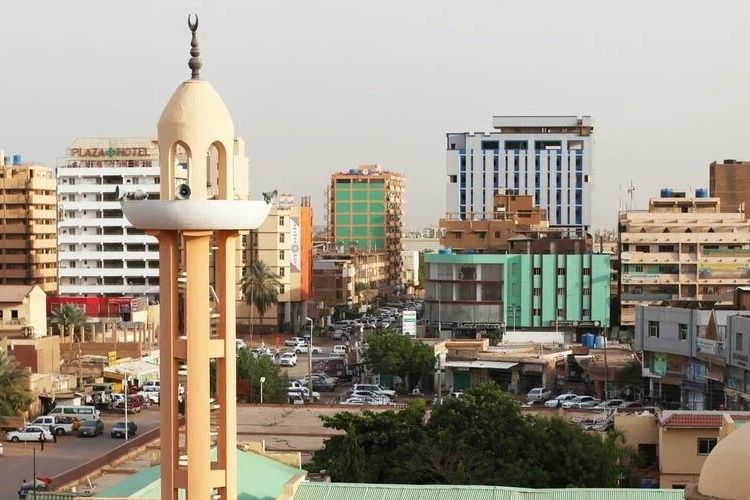
Area: 1,886,068 km². Population: 47,727,800.
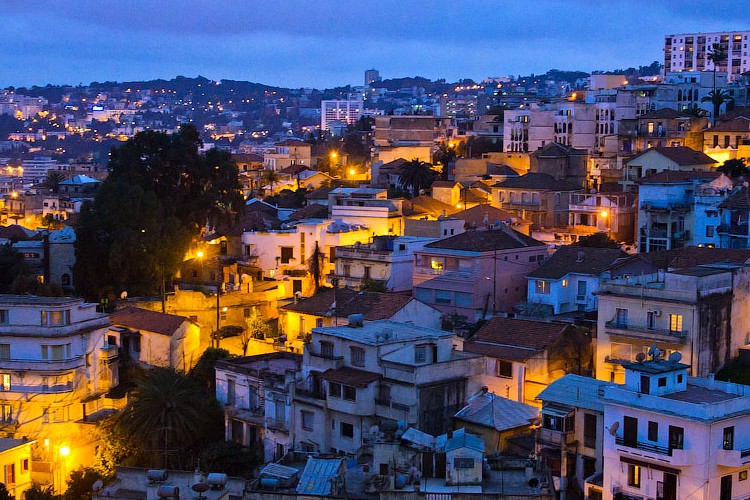
East African state, which until recently was the largest on the continent. After the secession of South Sudan, it lost out to the DRC and Algeria, slipping to third place.
The name is most often derived from the local toponym: Sudan or "the country of blacks" was the name of the area south of the Sahara, where the Arab population was "in contact" with the Negroid race.
In essence, statehood was formed along migration routes. This conditioned an extreme "motley" ethnic composition. And the different religions practiced by the numerous nationalities have ensured that Sudan is subject to constant conflicts, most often resolved with the use of weapons.
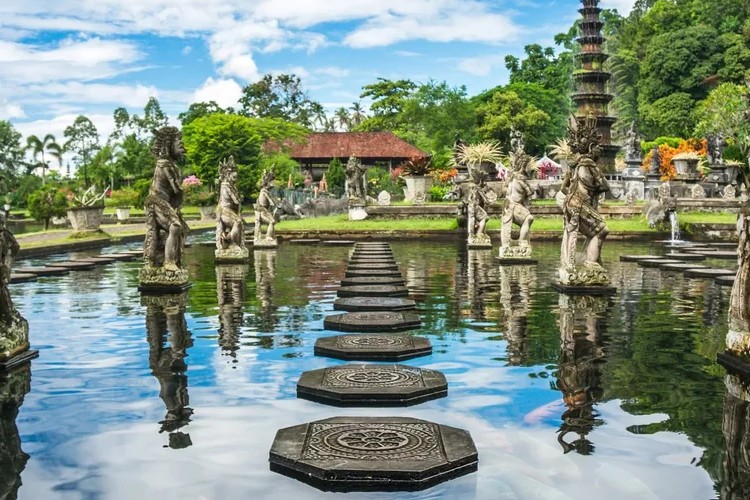
Indonesia
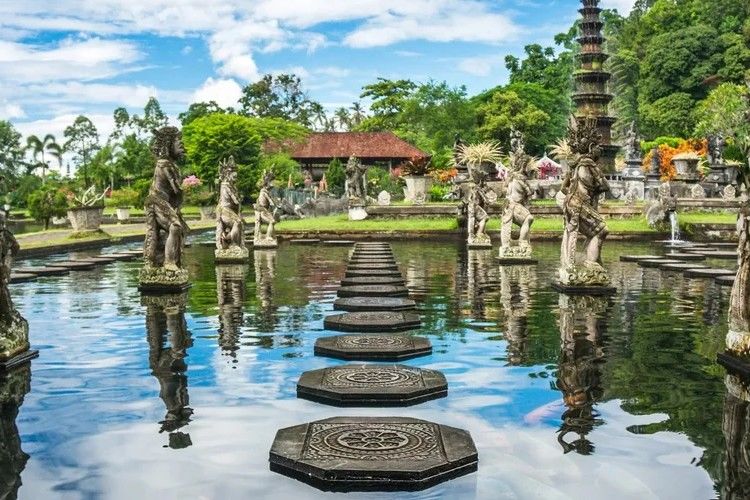
Area: 1,904,556 km². Population: 287,488,501.
The largest island nation with the largest Muslim population. The name roughly translates as "island India". It occupies part of New Guinea, numerous islands of the Malay Archipelago, as if separating the Indian Ocean from the Pacific Ocean. On land borders only with Malaysia, Papua New Guinea, East Timor.
Now the Republic of Indonesia is actively developing, harmoniously combining agrarian production with industrial production. This is a very "motley" ethnic-cultural state, which is a successful example of peaceful coexistence of representatives of different nationalities, practicing their own religions.
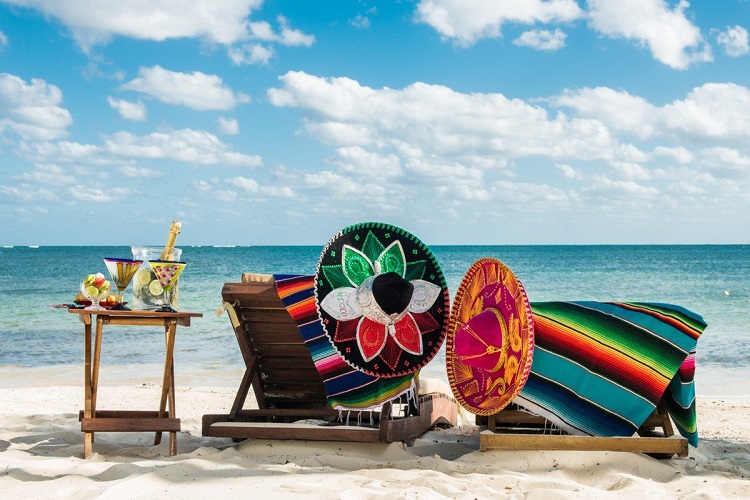
Mexico
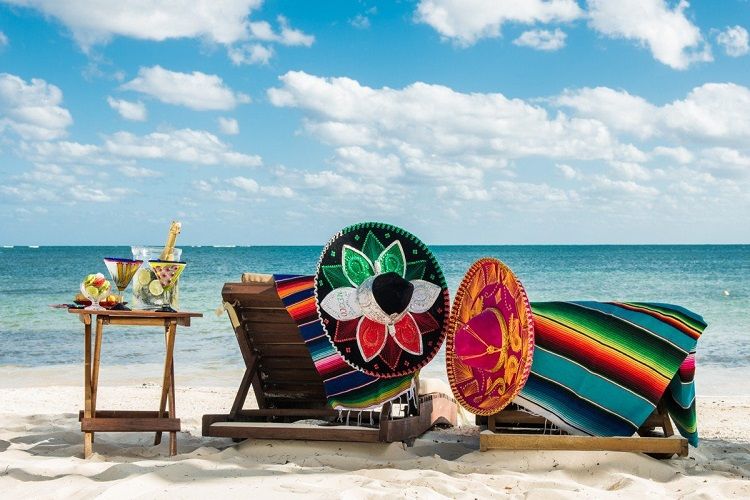
Area: 1,972,550 km². Population: 133,649,565.
The official name of this state with the largest Spanish-speaking population is the United Mexican States. The name has not yet been reliably explained. Most versions are related to local toponymic legends or Aztec religion.
Occupies most of Central America, including the Yucatan Peninsula. Also the territory includes numerous islands in the Pacific Ocean, Caribbean Sea. However, in terms of geopolitics, Mexico is considered part of North America ("orientation" of policy to the U.S. is facilitated by, among other things, a long state border).
Saudi Arabia
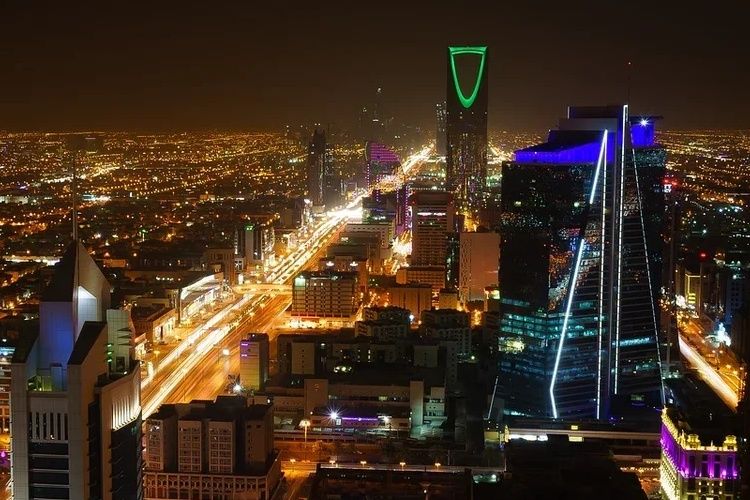
Area: 2,149,690 km². Population: 35,218,169.
One of the three kingdoms in the world that still bears the name of the ruling dynasty (Saudis). In fact, it is considered by its representatives as a personal possession. It is significant because of its colossal oil reserves and its location on the territory of two cities sacred to all Muslims - Mecca and Medina. It is included in the list of countries with the largest oil reserves.
By the way, the answer to the question about the "dimensions" of the state, called in its native language As-Saudia (for short) is not obvious. It is located entirely on the Arabian Peninsula, occupying about 80% of its territory. There are no international treaties with "neighbors" on demarcation of borders, accordingly, according to various estimates, the figures "fluctuate" from 1965582 to 2240000 km².
Democratic Republic of Congo (DRC)
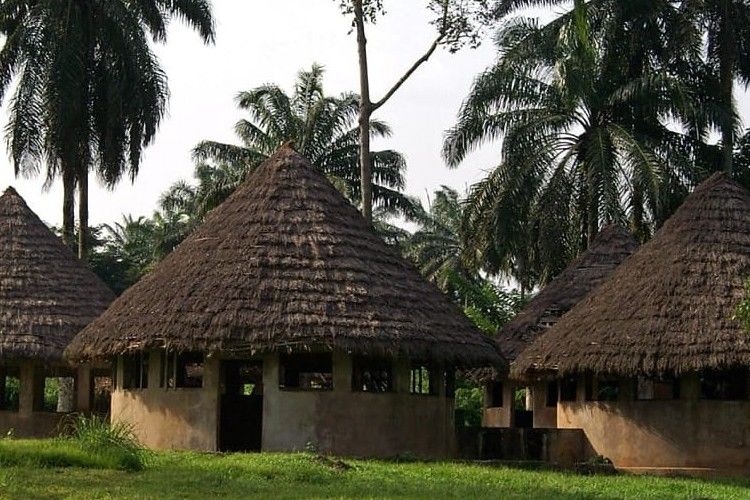
Area: 2,345,410 km². Population: 108,407,721.
Aka Congo-Kinshasa (not to be confused with Congo-Zaire). It has existed as an independent state since 1960, and was formerly a Belgian colony. Now it is the second largest and fourth most populous African country. If only the French-speaking population is taken into account, it is the second (after France itself).
As in most African countries, there is a huge ethnic and cultural diversity. The richest reserves of mineral resources (in particular, DRC owns more than 50% of the world's uranium ore reserves) together with a favorable geographical position have not yet helped Congo to get out of the category of the poorest countries in the world.
Algeria
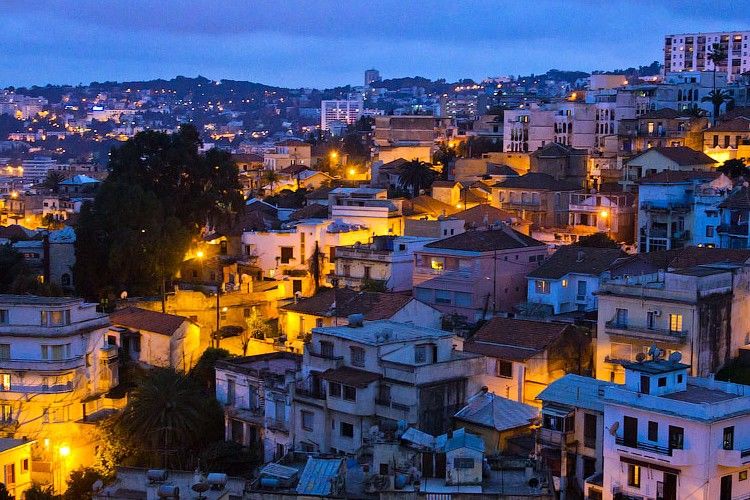
Area: 2,381,740 km². Population: 46,653,000.
African state with the largest territory. Almost 80% is occupied by the Sahara desert. The absolute majority of the population (as well as virtually all administrative-territorial units - vilayets) is concentrated on a relatively narrow strip of land along the Mediterranean coast. Algeria, by the way, has the longest coastline (988 km).
It also has the richest oil and gas reserves (even if we take into account only the explored ones, Algeria is one of the world leaders), but this does not cancel the fact that a significant part of the population (according to various estimates, 17-20%) lives below the poverty line.
Kazakhstan
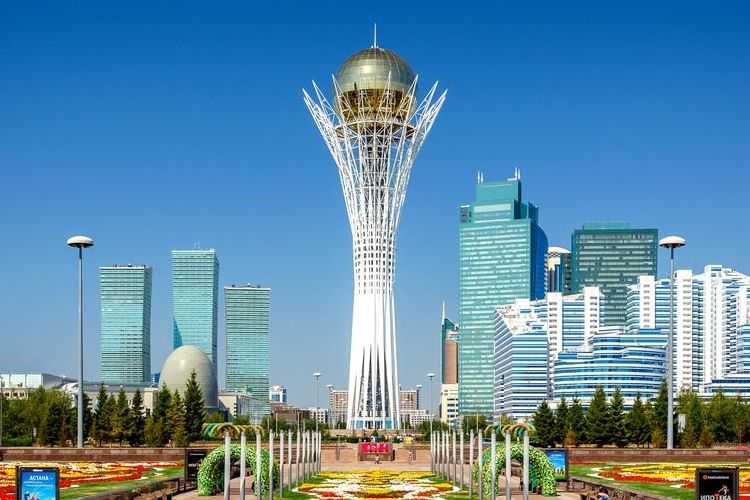
Area: 2,724,902 km². Population: 19,808,430.
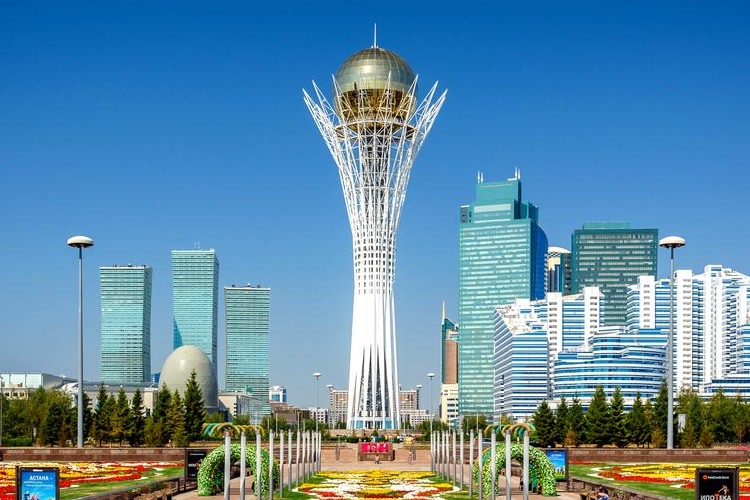
Kazakhstan, the ninth largest country in the world, is a Central Asian state with a vibrant mix of cultures, rich history and diverse landscapes.
The history of Kazakhstan is rich in cultural and political events. Originally, its territory was inhabited by various nomadic tribes. Later, in the XIII century, under Genghis Khan, this territory was included in the Mongol Empire.
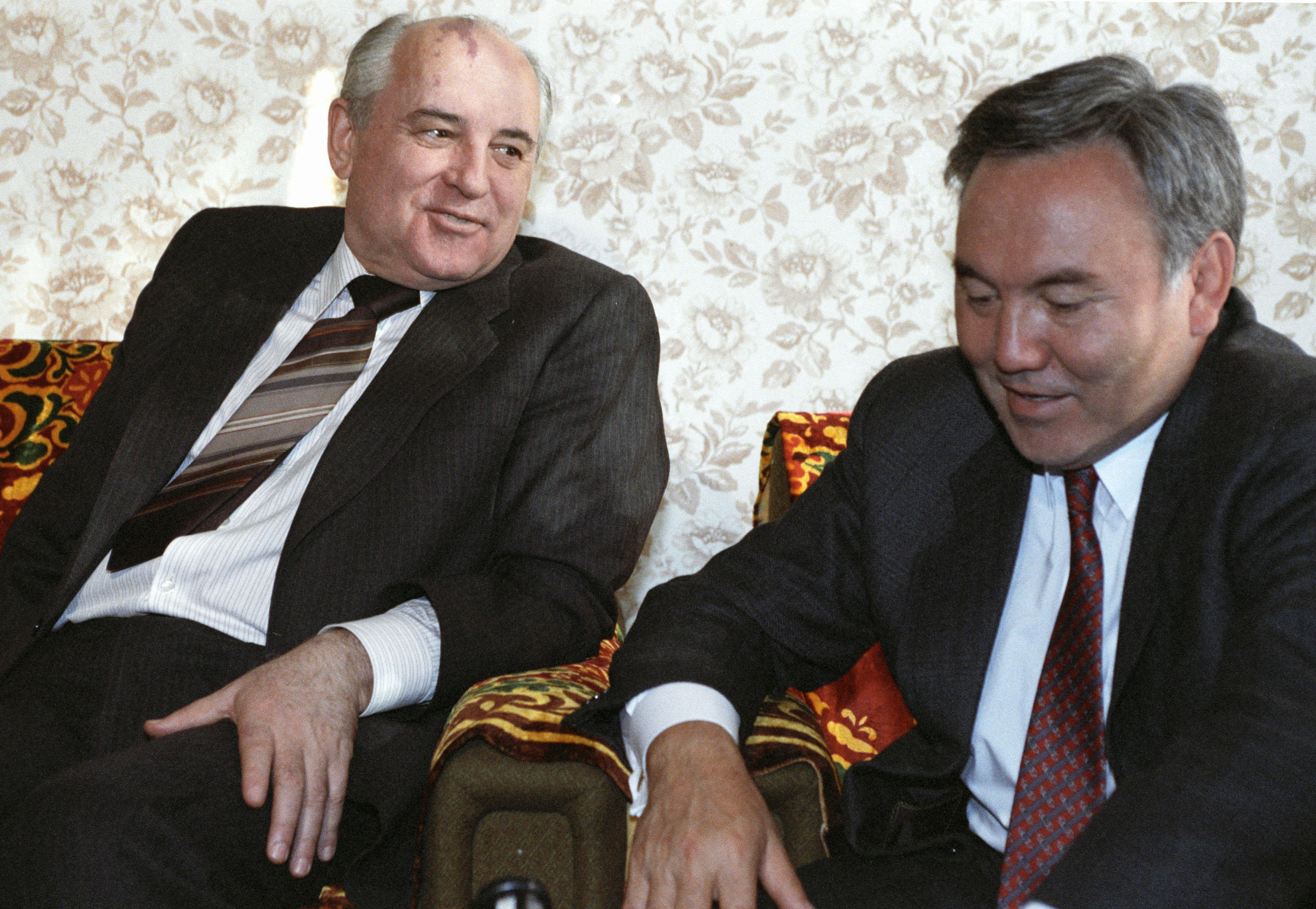
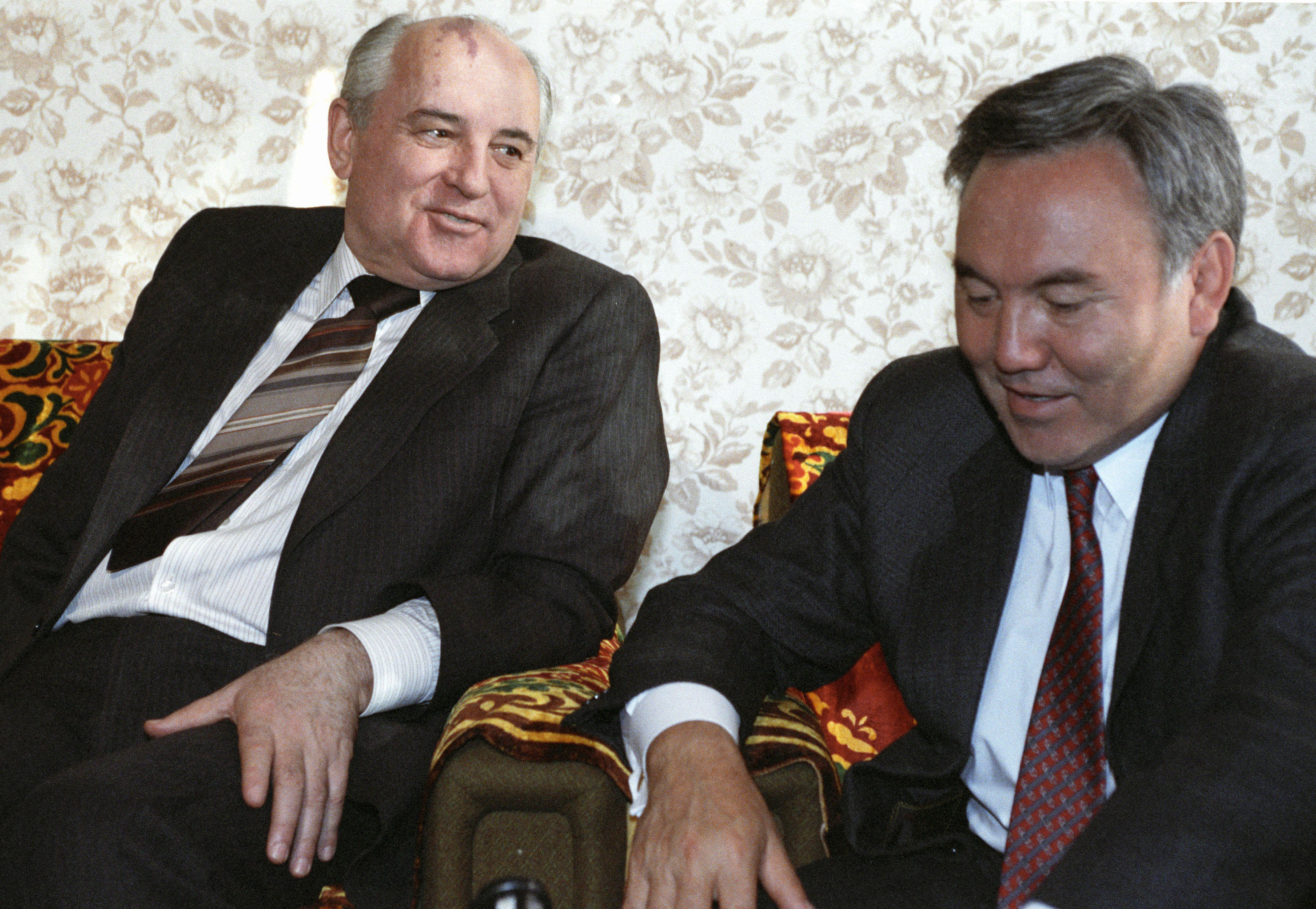
By the 16th century, the Kazakhs had formed as a separate group from a mixture of Turkic tribes. In the 18th century, the Kazakh Khanate was conquered by the Russian Empire, and by the 19th century the region was fully incorporated into Russia. Kazakhstan was part of the Soviet Union as one of the republics until its dissolution in 1991, when the country declared its independence with President Nursultan Abishevich Nazarbayev.
Kazakhstan serves as a geographical bridge between Europe and Asia: Russia to the north and China to the east. In many respects, this determines the cautious, measured and omnidirectional international position of the state.
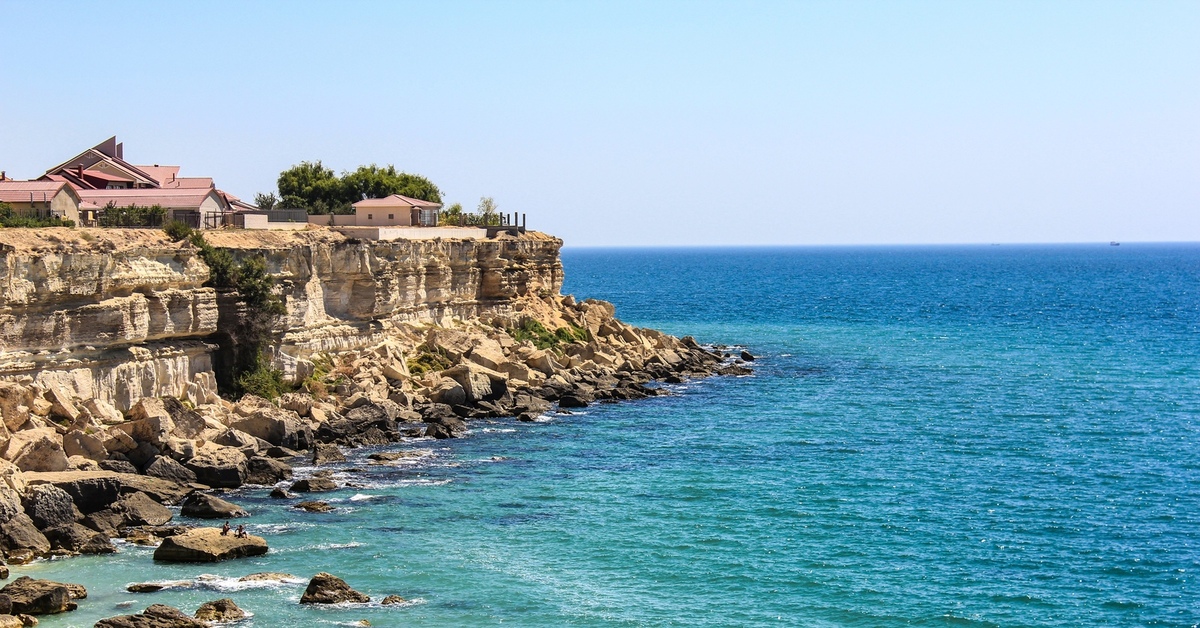
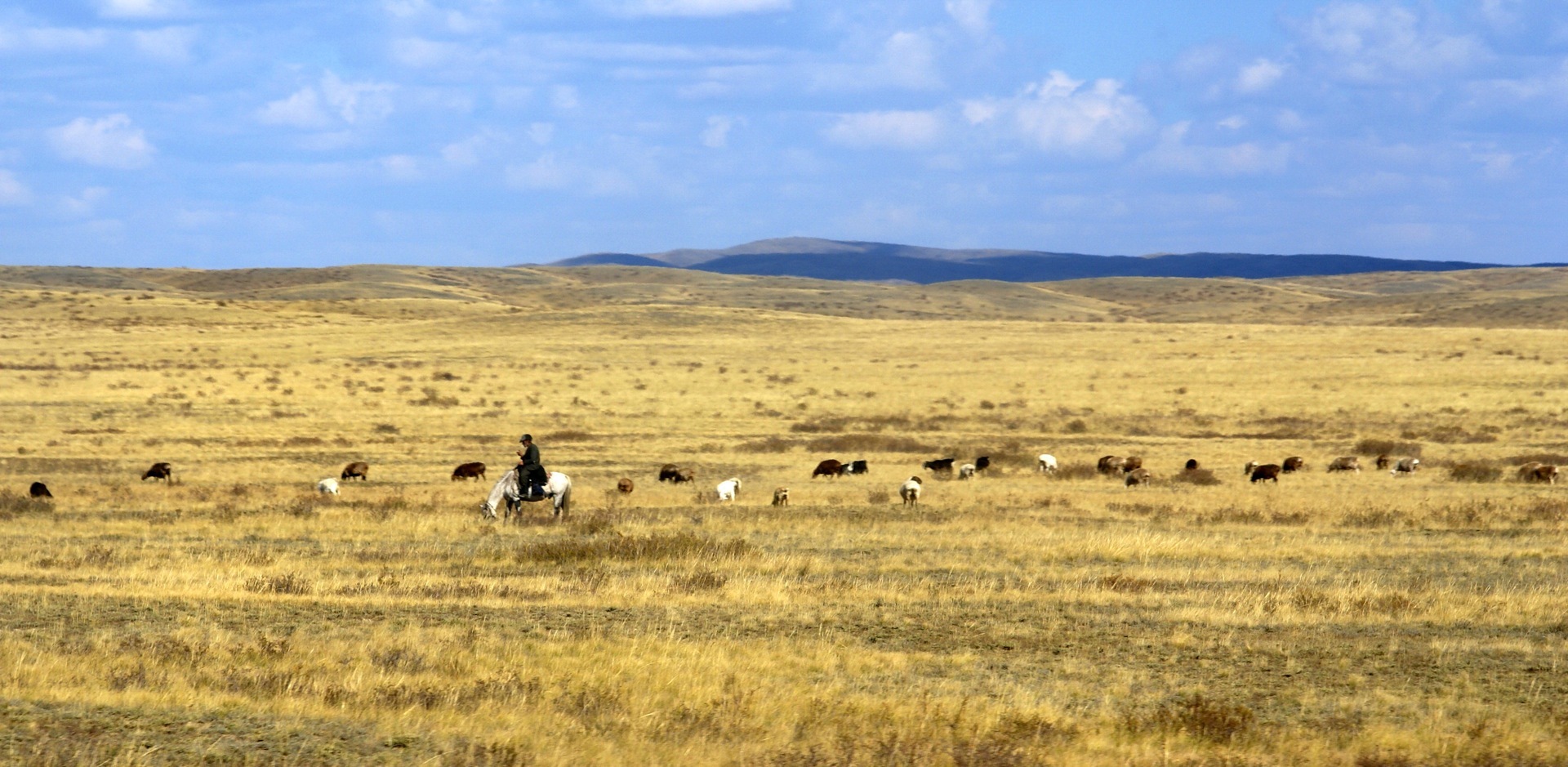
More than 70% of Kazakhstan's territory is desert or steppe. Among all the countries in the ranking, it is the only one that is landlocked, unless you count the Caspian Sea, which is actually a large lake because it has no access to the world's oceans. However, this in no way detracts from its beauty.
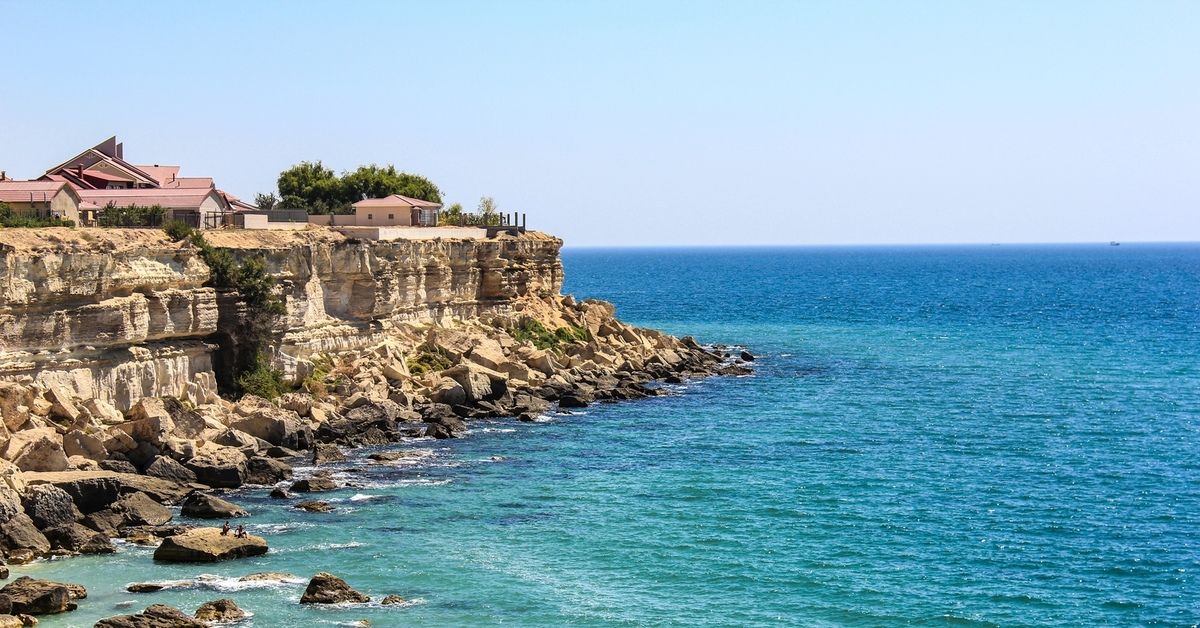
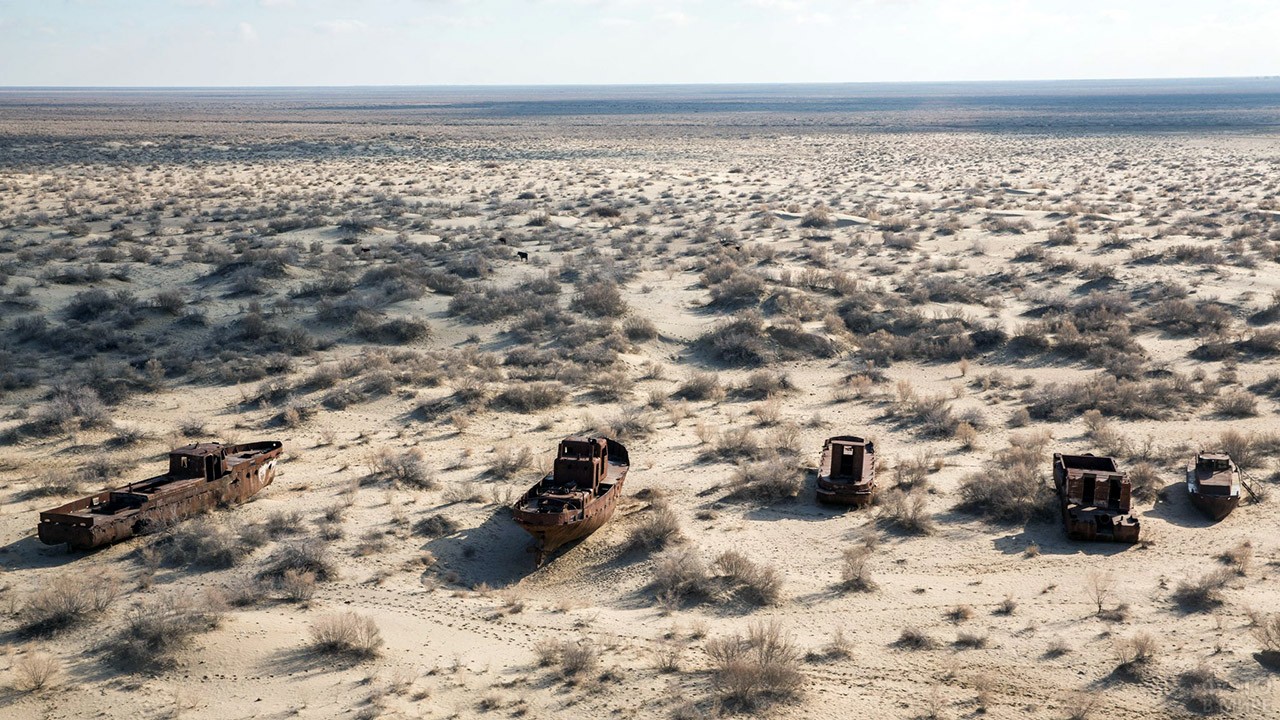
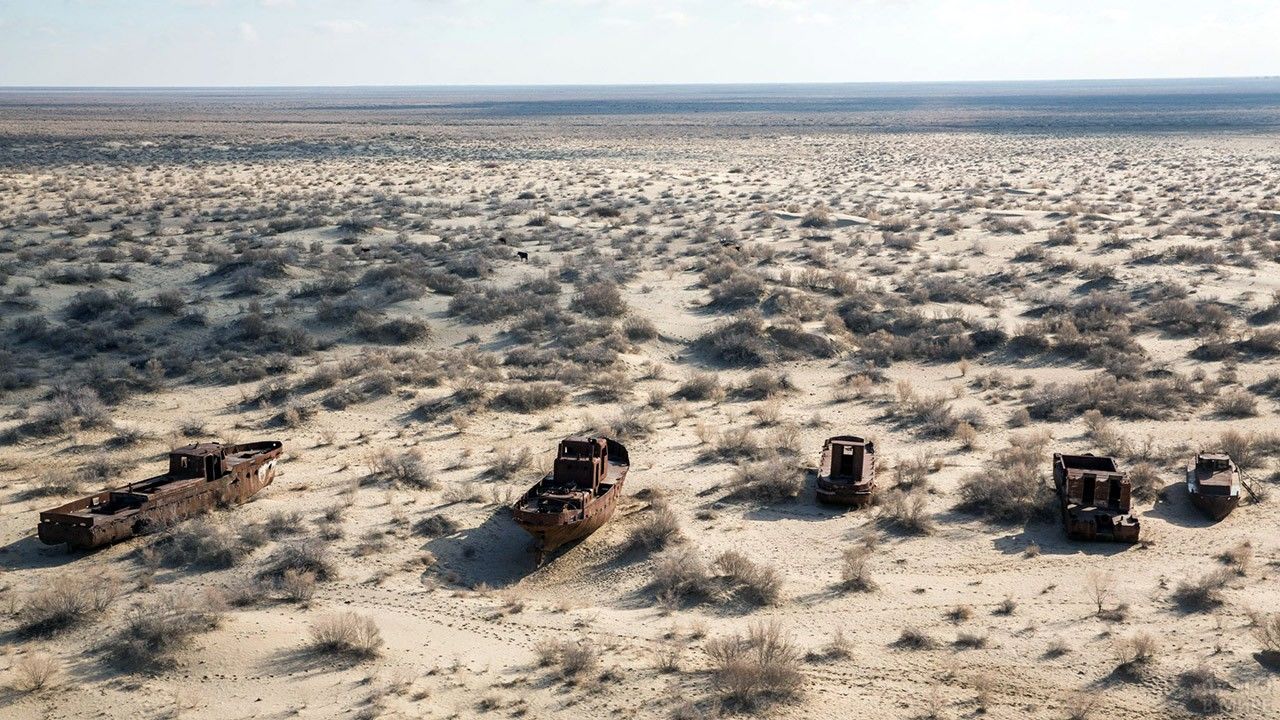
But on the territory there is a fresh-salt lake Balkhash, which is still a mystery for hydrologists and its own sea - the Aral Sea, which unfortunately is gradually drying up.
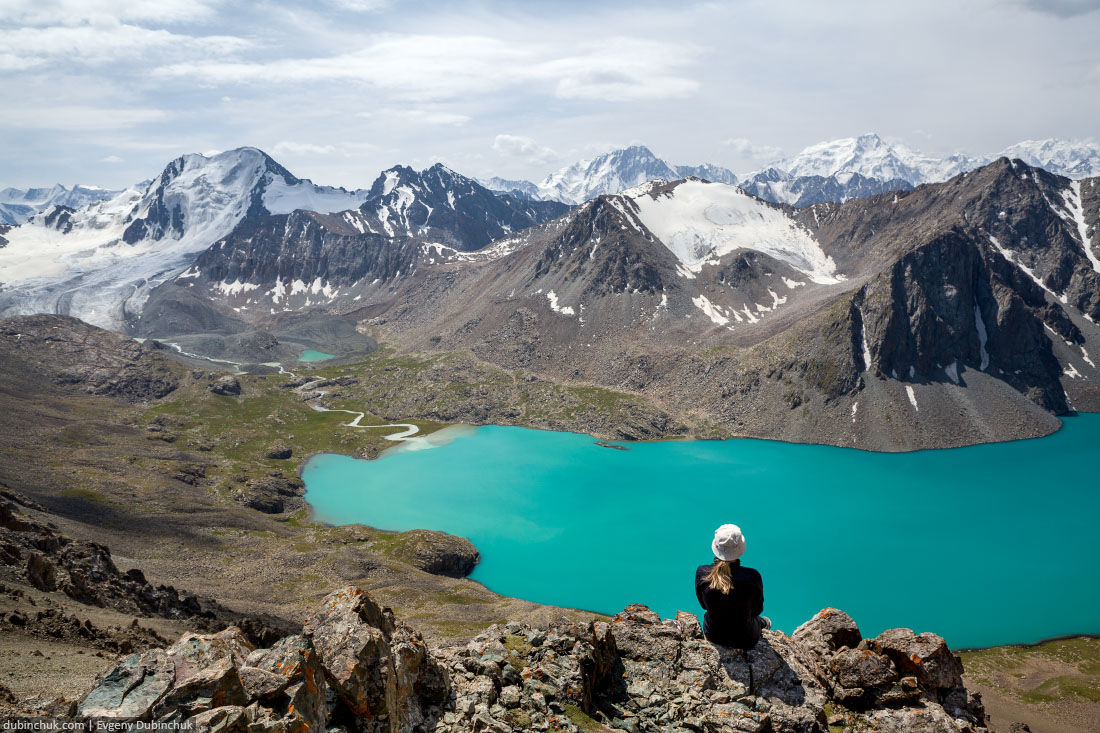
The country's territory is a vast strip of plains, steppes, taiga, rocky canyons, mountains and deserts. The northernmost part of the vast deserts of Central Asia is located here, as well as the peaks of the Altai and Tien Shan ranges.
Due to its long length and varied topography, Kazakhstan has many climatic zones, including extreme continental, polar and even desert climates.

Kazakhstan's economy is developing steadily thanks to its natural resources - significant reserves of oil, natural gas and minerals. The country is among the world leaders in uranium mining, and its agricultural sector is characterized by developed grain and livestock production. In recent years, the country has taken steps to modernize its economy and develop its high-tech sector.
The population is culturally diverse, with over 130 different ethnic groups living in the country. Kazakhs and Russians predominate, but there are also representatives of other nationalities, including Uzbeks, Ukrainians, Uighurs and Tatars. This cultural mosaic is reflected in the country's traditions, languages and cuisine.
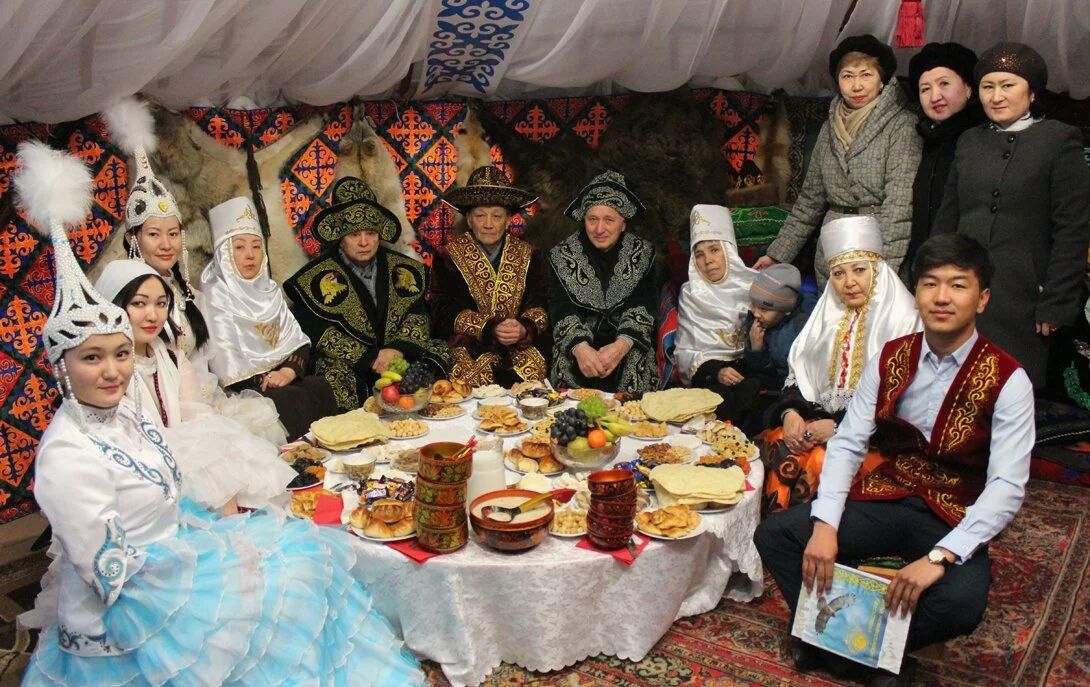
The state language is Kazakh, but Russian is also widely spoken and officially recognized. The majority of the population is Muslim, with a significant minority adhering to Orthodoxy.
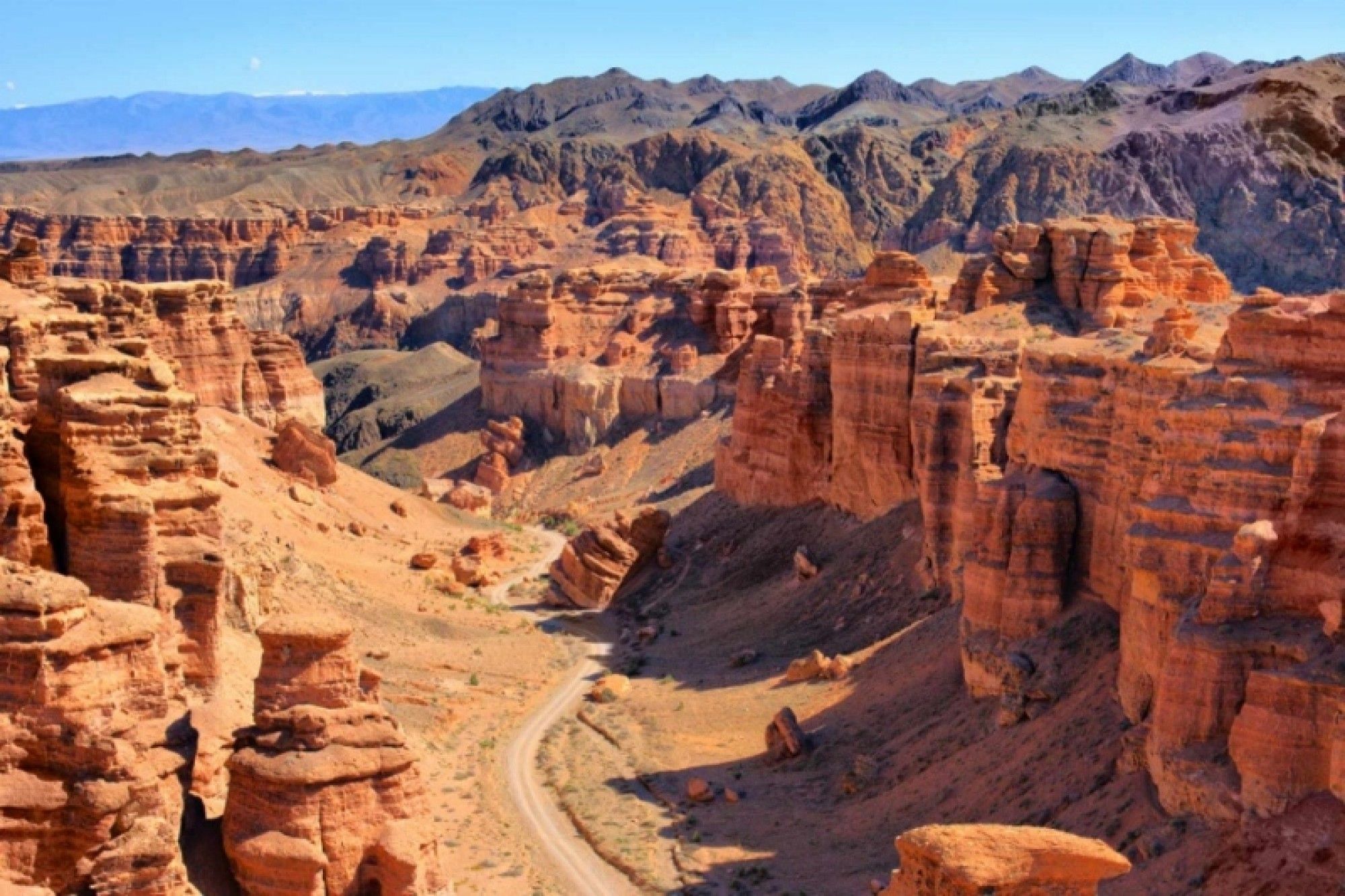
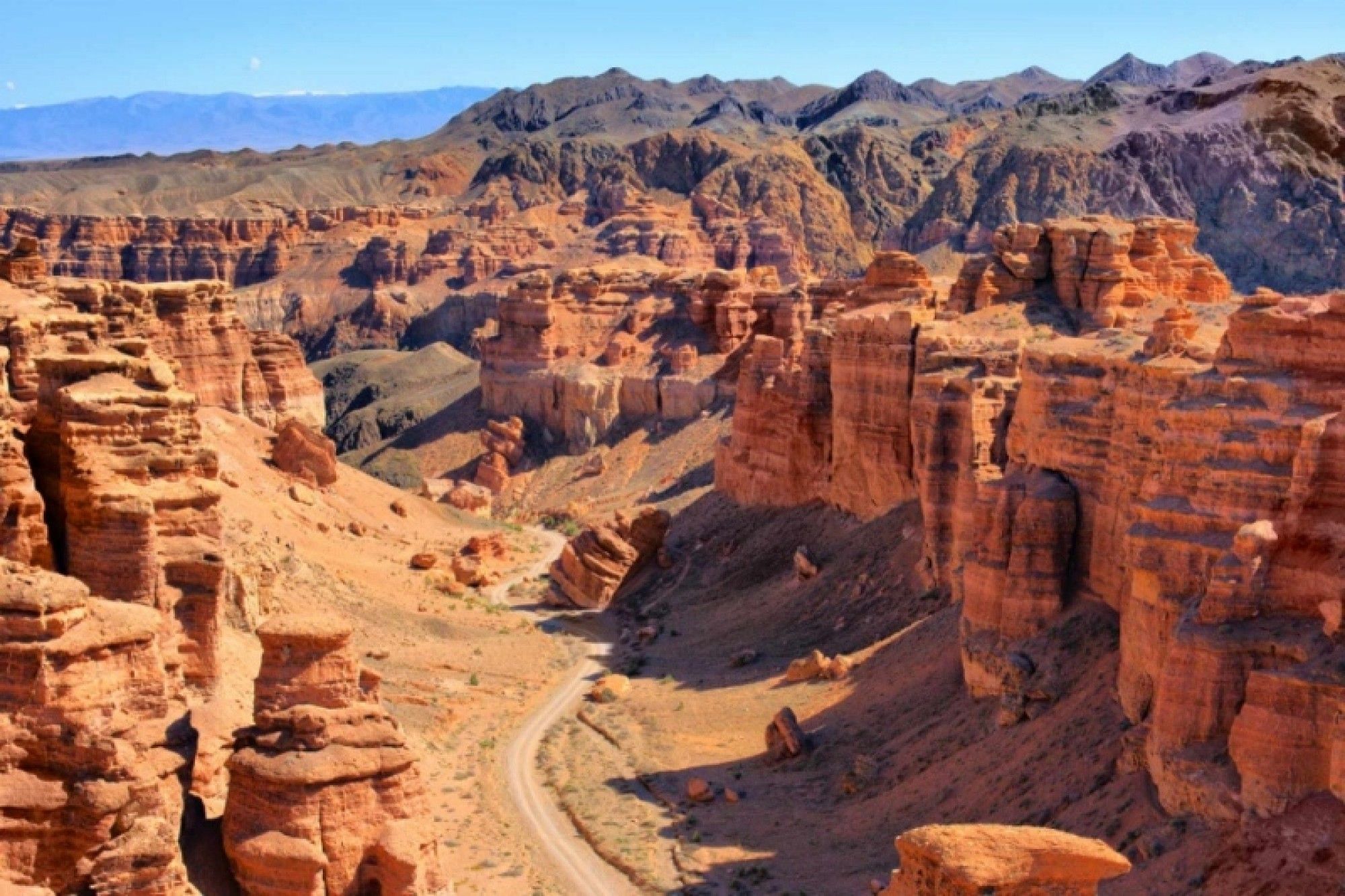
Kazakhstan's vast landscapes are dotted with natural wonders and sights. These include the Charyn Canyon, which is often compared to the Grand Canyon of the USA.
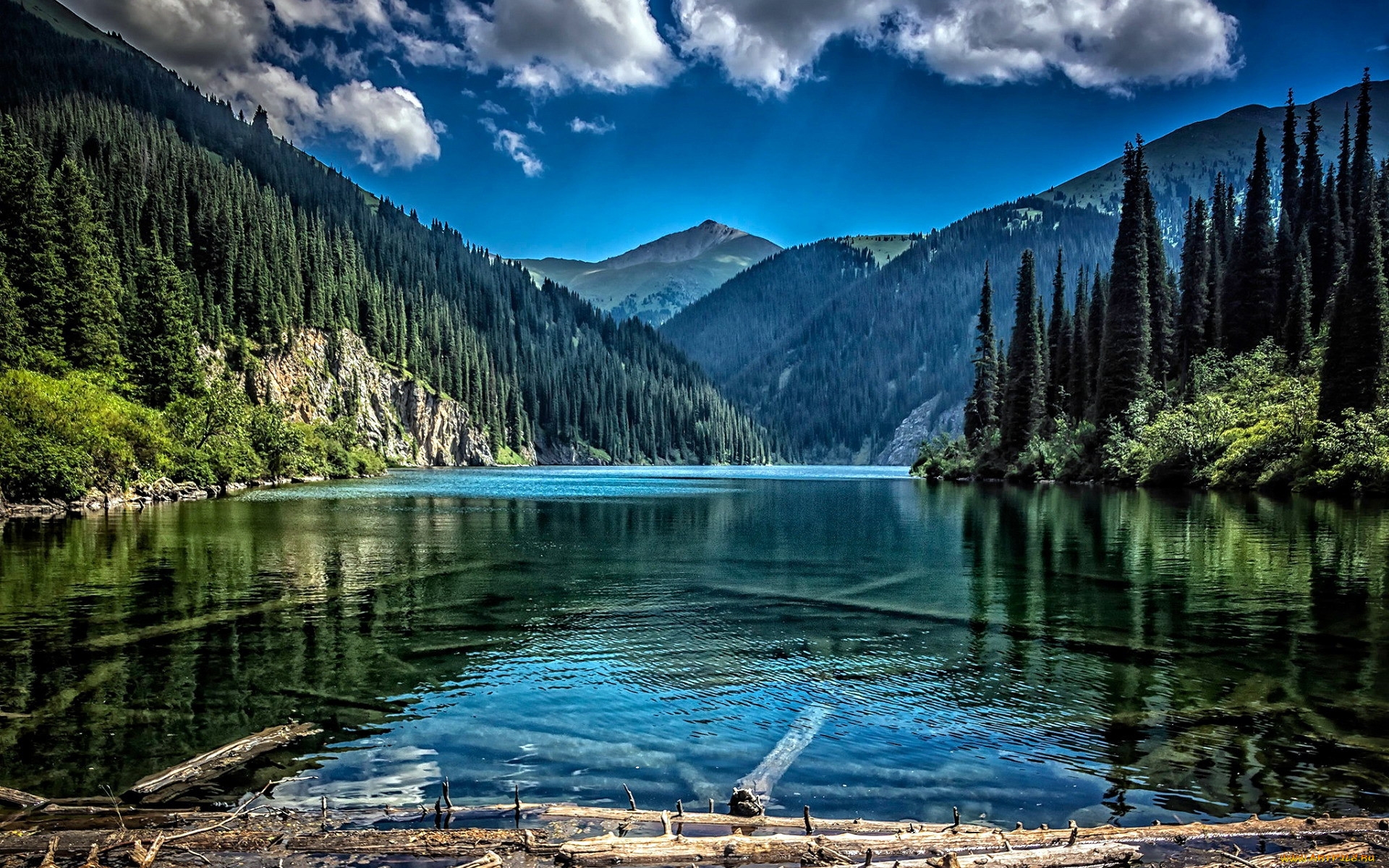
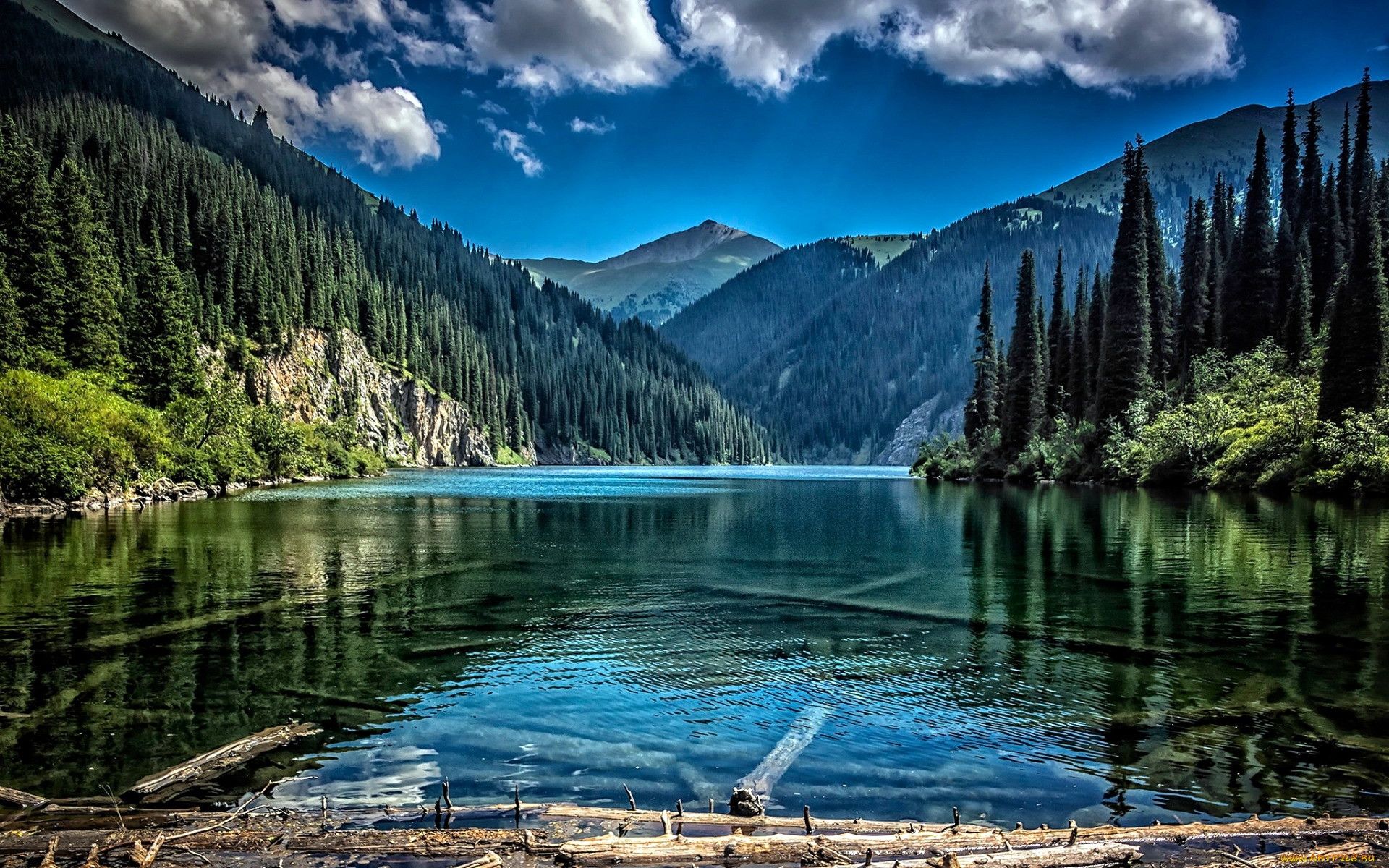
And the purest Kolsai lakes, known as the "pearls of the Northern Tien Shan".
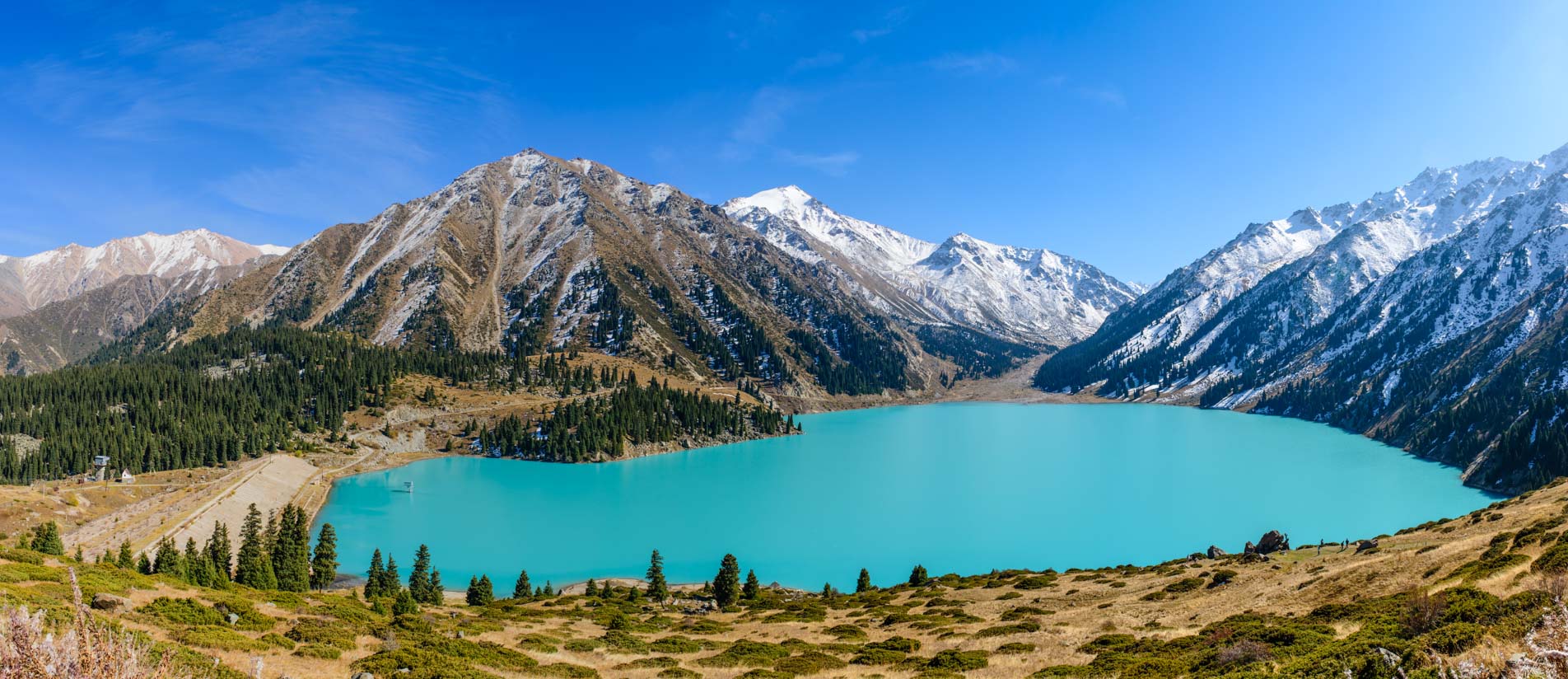
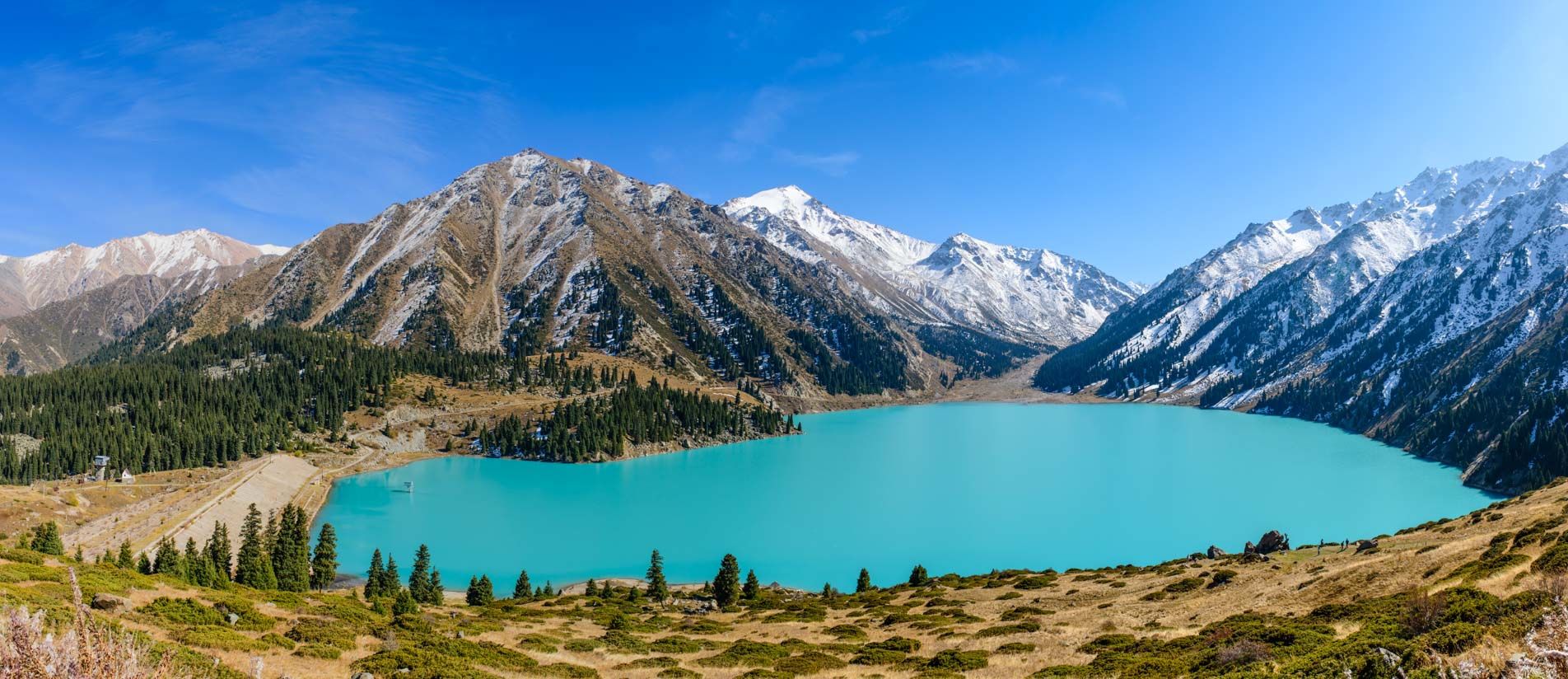
Another breathtaking natural attraction is the Big Almaty Lake, located in the mountains of Zailiyskiy Alatau.
In the USSR, most citizens associated the republic with the Baikonur Cosmodrome (leased by Russia together with the "attached" city until 2050) and the Medeo high-altitude skating rink (the largest in the world). Kazakhstan has the world's longest continuous border with Russia (more than 7000 km).
Argentina
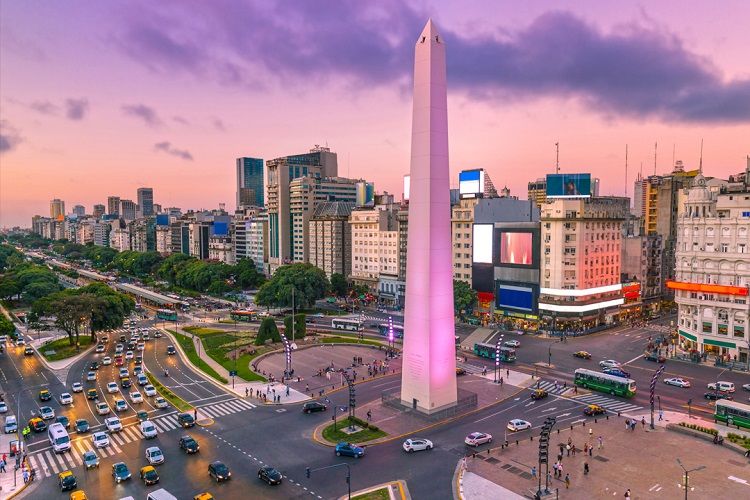
Area: 2,780,400 km². Population: 46,082,160.
In South America, it "loses" only to Brazil. Argentina itself, by the way, does not agree with the official "measurements" of its own territory, claiming a significant part of Antarctica (which, according to international law, is a neutral territory).
Those who gave the country its name (Argentum - silver) were very wrong - there is not much silver in its depths. The territory stretching from north to south is characterized by an extremely diverse climate - from subtropical to subarctic.
The ethnic composition of the population is very atypical for Latin America: about 40% of the ancestors are Italians, and almost all the rest are Germans.
India
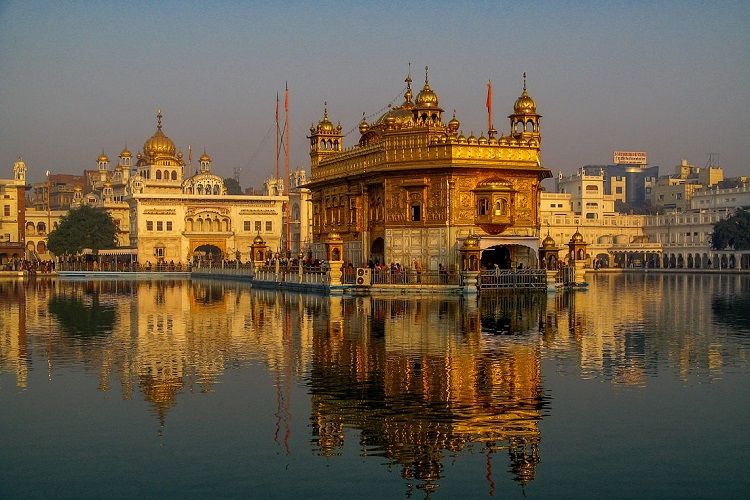
Area: 3,287,263 km². Population: 1,416,886,000.
The largest South Asian country. Perhaps more than any other country in the world, it deserves the title of "land of contrasts". Take for example the fact that India is potentially a superpower, possessing vast human resources, nuclear weapons, but the majority of the population lives below the poverty line.
India is divided into states on the linguistic principle. Each of them has its own language, customs, even practiced religions differ. But the state languages are only two - Hindi and English. As a former British colony India is still the largest English-speaking state in the world.
Australia
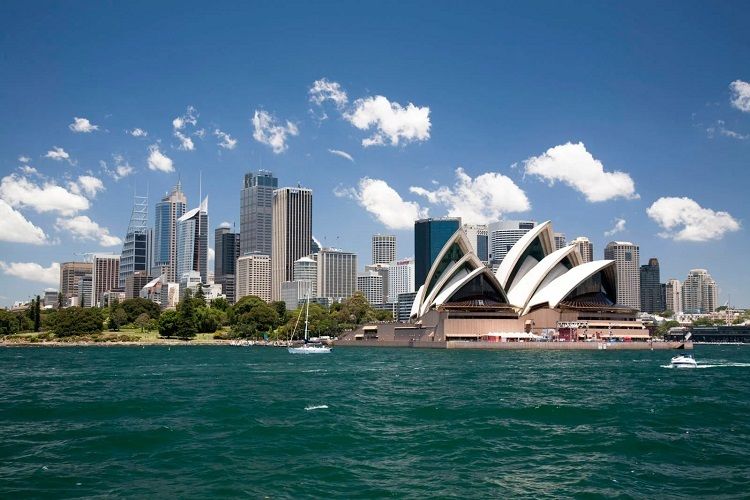
Area: 7,686,850 km². Population: 26,775,000.
It occupies the entire continent, which is the oldest continent on Earth. The official figures should not be misleading: most of Australia's territory is still uninhabited: it is unsuitable for human life due to aridity. However, it is successfully "mastered" by local flora and fauna (many species of animals and plants are not found anywhere else).
The name translates as "southern" - this clearly hints at the geographical position of the continent. Despite the fact that Australia was originally a colony for prisoners, it is now officially among the top ten in terms of GDP per capita, human development index, quality of life, health care, education.
Brazil
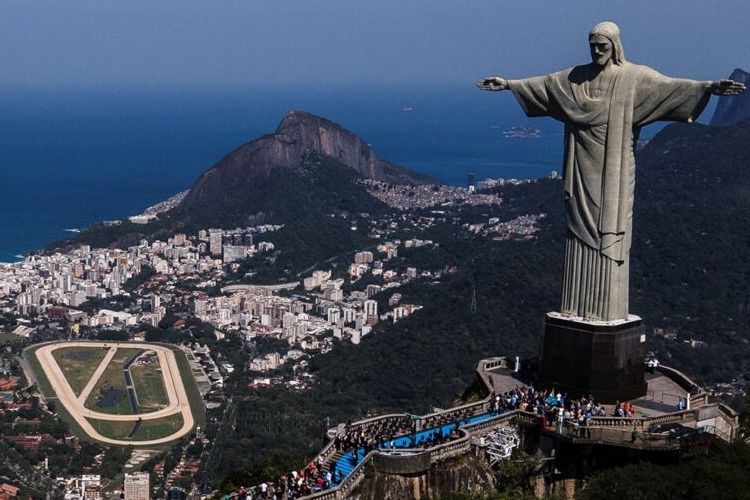
Area: 8,515,767 km². Population: 218,737,360.
The largest South American state, bordering all "neighbors" on the mainland without exception. It is distinguished by the fact that its official language is Portuguese, not Spanish, as in the rest of South America.
It is also the country where the largest number of inhabitants professes Catholicism. Brazil almost entirely owns the Amazon basin with its abundant natural resources.
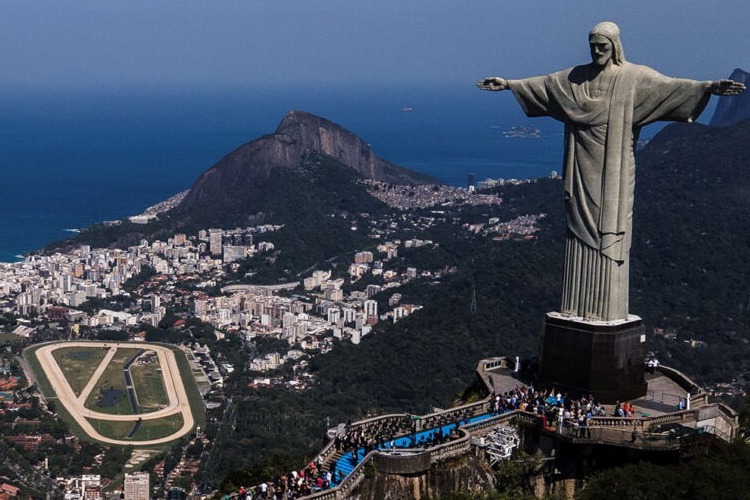
In the world it is associated, first of all, with soccer, carnival, the statue of Christ the Savior stretching his arms over Rio de Janeiro, as well as with excellent coffee (which the locals, by the way, do not particularly appreciate, preferring cocoa).
Its expanses contain much of the Amazon rainforest, the largest forest in the world and home to an incredibly diverse fauna. But this also makes it more difficult for humans to explore these areas - who knows, maybe for the best.
United States of America (USA)
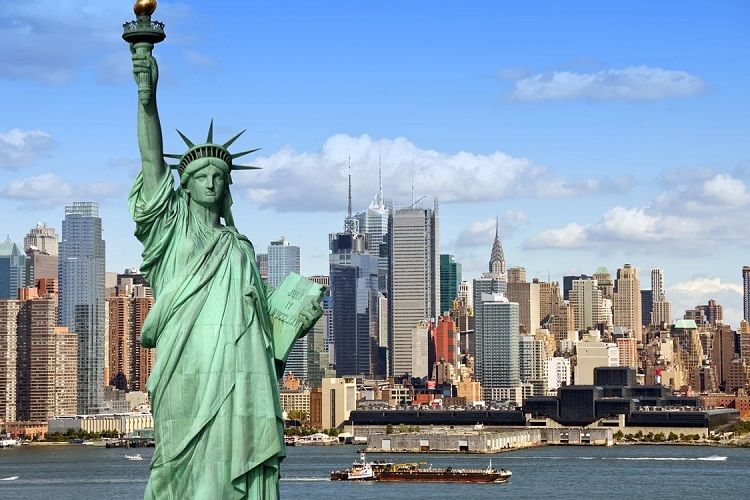
Area: 9,147,593 km². Population: 336,023,460.
"Shares" North America with Canada. Apart from Canada, only two countries border the United States - Mexico and Russia (the latter symbolically, through the Bering Strait).
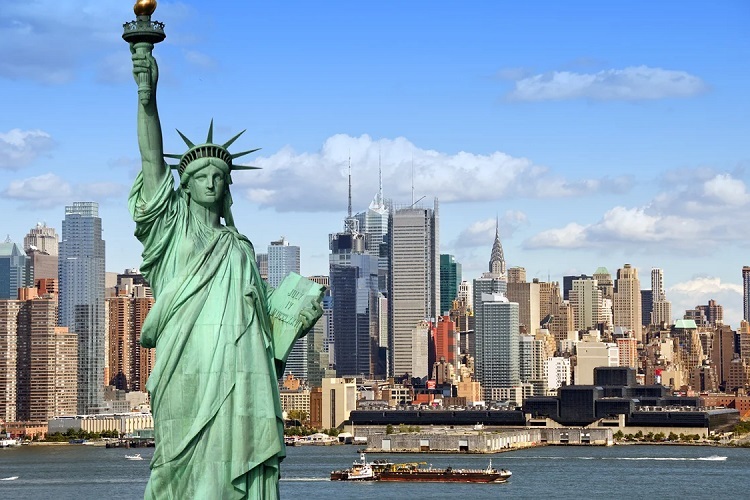
This is the only country in the world that "covers" the entire range of climatic zones - from the Arctic to the tropics. The form of organization is formally federal, but the state authorities have very broad powers: in fact, each state is a "state within a state".
Even "dual citizenship" is provided for - the USA and a particular state. Another unique feature is its own territory (the District of Columbia) allocated for the capital.
The large territory of the country includes a variety of climatic and topographical zones - from the arid desert of Arizona to the lush tropical forests of Washington State.
The U.S. has the third-longest road network in the world, reflecting the desire to ensure comfortable travel across these vast territories.
China (PRC)
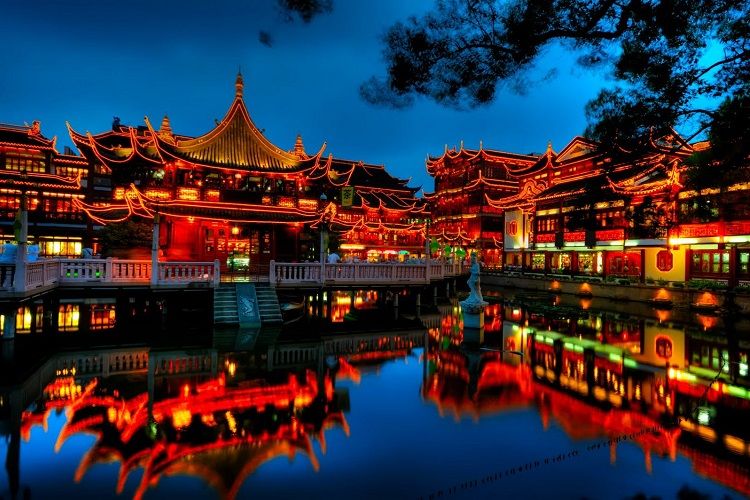
Area: 9,598,962 km². Population: 1,411,750,000.
The third largest country was until recently the leader in terms of population, but has now ceded the top spot to India. However, the Chinese city of Chongqing, home to 30 million people, is still the most densely populated in the world (ahead of many countries).
The People's Republic of China is very active in many industrial sectors, earning it the nickname "the factory of the world". It has already become a nuclear and space power (with its own station in orbit).
This is facilitated by the state structure: the country is a one-party parliamentary republic based on the principles of socialism.
Interestingly, despite its vast territory, China has a single time zone known as Beijing time, which is a unique feature compared to other large countries.
Canada
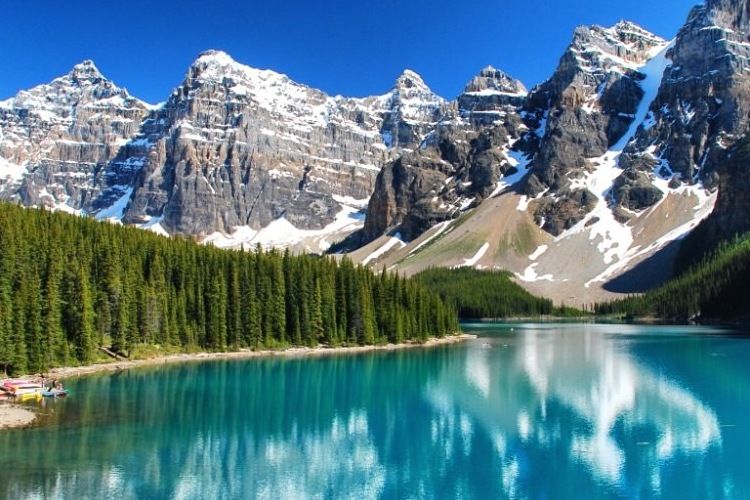
Area: 9,984,670 km². Population: 39,373,200.
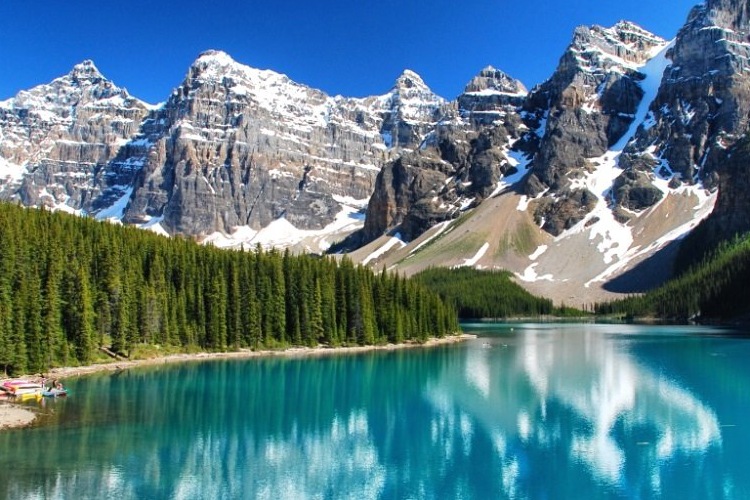
The second largest country, washed by three oceans and with the longest coastline, has a very low population density. This is easily explained by the harshness of the local climate coupled with the abundance of forests: not everywhere is habitable.
The country's size has influenced its historical development, from the migration of indigenous peoples to the arrival of Europeans, primarily the British and French. The vast territory with rich nature provides the population with a variety of flora and fauna.
The large size of Canada has also played an important role in its economy, in particular - forestry, mining and energy industries.
Most of the inhabitants are concentrated in a narrow strip along the border with the United States. Formally, Canada is still under British rule. Its official head is the British monarch, represented "on the spot" by the governor-general.
Accordingly, most of the population is English-speaking, although there is both a predominantly French-speaking Quebec and provinces where indigenous languages are official.
Russian Federation (Russia)
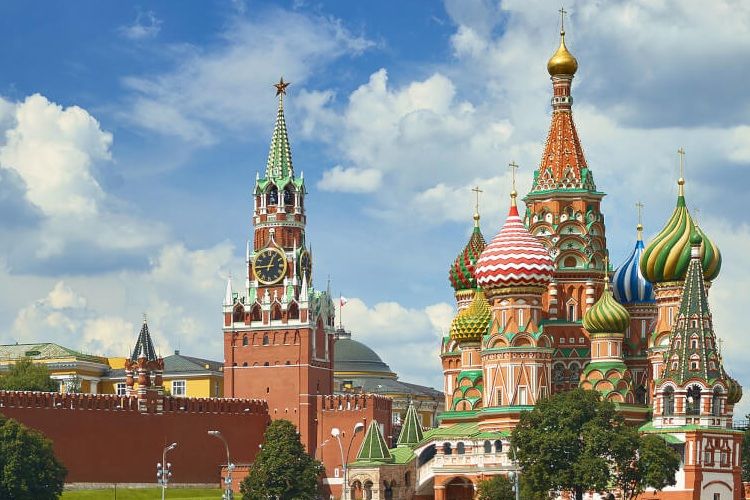
Area: 17,125,191 km². Population: 147,182,123.
An unambiguous leader in terms of "dimensions", far ahead of its "competitors". Russia occupies almost a third of Eurasia, with the European part accounting for less than a quarter of the territory.
Due to its long length, the country's territory covers a variety of natural conditions and landscapes - from snowy Siberia to the sun-drenched beaches of Sochi. Also on Russian territory are the world's largest forest reserves, which are considered the "lungs of Europe".
It is one of the world's superpowers, possessing nuclear weapons, implementing its own space program, having the richest reserves of raw materials and natural resources. Russia borders with 18 countries, it is washed by 12 seas, it occupies 11 time zones.
In terms of length (61000 km) it is also a "record-breaker". With an average annual temperature of -5°C, it is the coldest country in the world, and 60-65% (according to various estimates) is occupied by areas of permafrost.
Russia's vast territory has been an important factor in its multinationality throughout the nation's history, and has also determined its geopolitical strategy and economic activities. The Trans-Siberian Railway, the longest railroad line in the world, epitomizes Russia's use of its vast territory.