Automatic pistol Stechkin APS - legendary USSR gun, review, photo, history
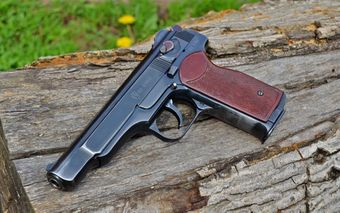
The Stechkin APS is a unique weapon that combines history, technology and versatility. It stands alongside such legends as the Kalashnikov and leaves its mark on the history of military affairs.
History of creation
The Stechkin automatic pistol, denoted as APS, became famous in the mid-20th century. Its creator, Igor Yakovlevich Stechkin, began the development of this pistol in 1948.
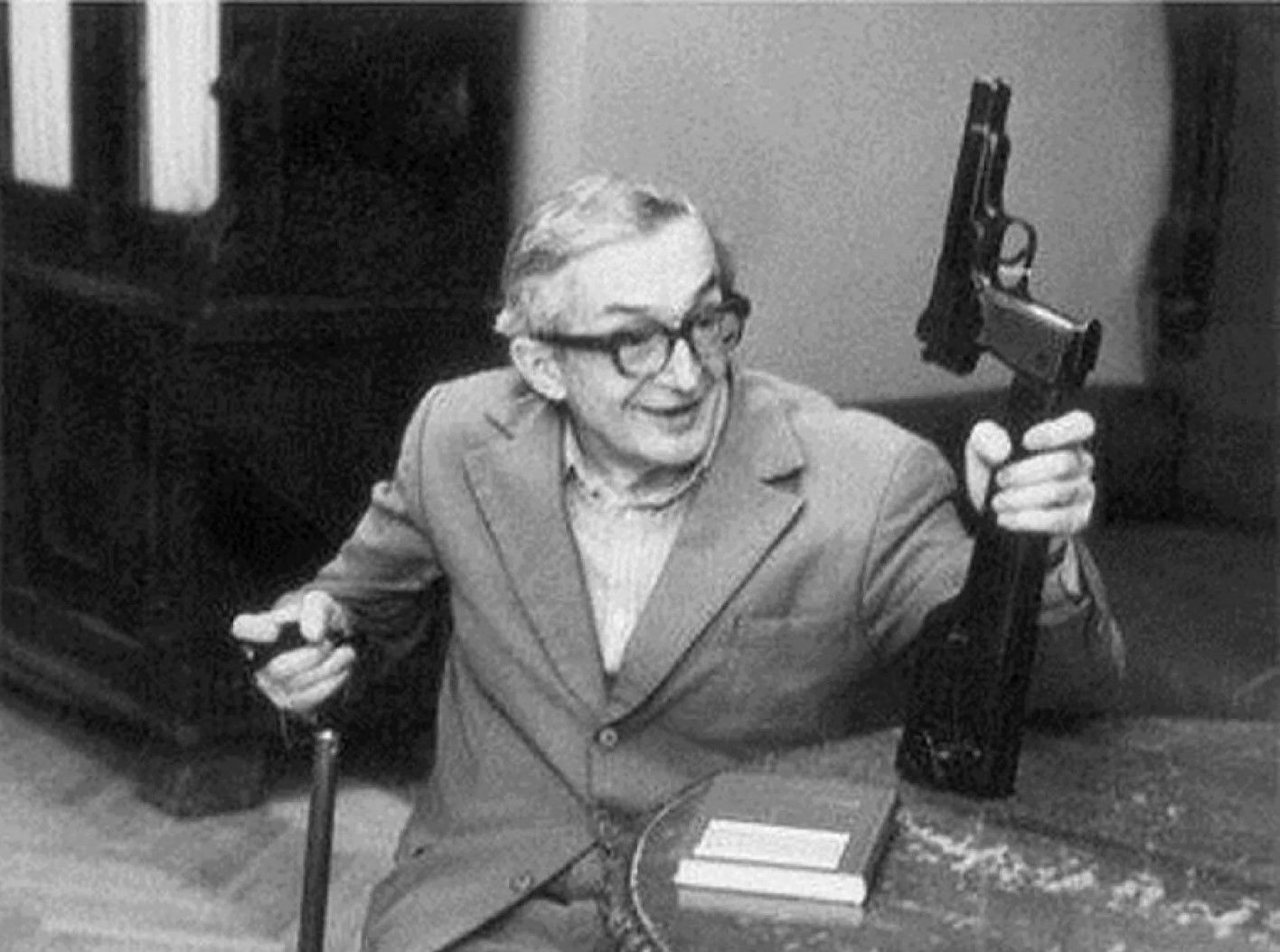
Only a year passed, and in 1949 the first sample of this development was presented. Despite its innovative characteristics, the path from project to serial production was not easy: several stages of testing, adjustments, and only then the APS took its place in the arsenal of the Soviet Army.
This pistol was notable for its versatility: it could fire both single shots and bursts.
Background
Originally, the APS was created as an effective self-defense weapon for officers, sergeants, specialists of certain categories and crews of combat vehicles, which by standards could not be armed with automatic rifles or carbines. Based on the circumstances of combat encounters, it was assumed that the classic PM pistol might not be effective enough for self-defense.
Several competitions were held, in which different applicants participated. However, it was the Stechkin APS that proved to be the best, offering a unique combination of compactness and functionality.

It is worth noting that practical use in the army revealed a number of weaknesses of the APS. To the general surprise, not all military men were delighted with this weapon. Large size, difficulty in carrying holsters, unfamiliarity with automatic fire and a number of other points made it not the most popular choice among military personnel.
It was these nuances that caused the APS production to be suspended by 1958, and most of the issued pistols were moved to warehouses. Nevertheless, its high efficiency did not go unnoticed: in certain military units, grenade throwers and machine gunners were "complete" with it until the 80s, and the pistol also spread in special forces and as a status weapon.
Scope of application, purpose
Despite its peculiarities, the APS has taken its place in the arsenal of the KGB and some GRU units, due to its accuracy and high firepower, as for a pistol.
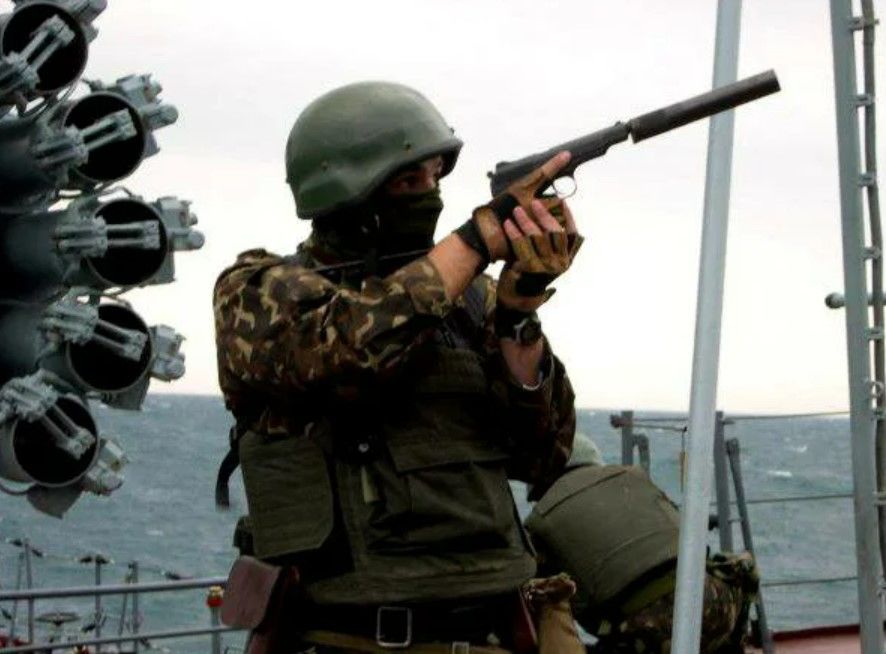
With the rise in crime in the 80s and 90s, when a weapon of higher power than the Makarov pistol was required, the choice of law enforcement officers also often fell precisely on the APS.
This pistol still has not lost its popularity among some categories of military and law enforcement personnel.
Design features
The Stechkin pistol is composed of a number of key elements:
- The frame is the main structural part, which includes the barrel and the lower part of the grip, on which other components are attached.
- The trigger assembly provides the direct firing of the shot.
- The bolt contains the firing pin, which initiates the shot, as well as the ejector for spent cartridge cases and the translator-safety.
- The firing mechanism is the element that initiates the shot.
- The rate-of-fire mechanism controls the rate of fire of the pistol.
- The return spring is responsible for the return movement of the pistol parts after each shot.
- The bolt delay ensures safe and efficient operation of the gun during firing.
- The two side grip elements are screwed together, providing a comfortable and secure grip on the gun.
- The magazine contains cartridges and provides them for firing.

Each Stechkin pistol is traditionally accompanied by a holster, which is made of wood for early models, and of high-strength plastic (bakelite) for newer versions.
Tactical and technical characteristics
Let's consider its technical characteristics:
| Characteristic | Value |
|---|---|
| Caliber | 9х18 mm |
| Weapon length | 225 mm |
| Weight (without magazine) | 1,02 kg |
| Magazine capacity | 20 rounds |
| Rate of fire | 600 rounds/minute |
| Effective firing range | up to 150 m (with butt holster) |
| Maximum firing range | 200 m |
| Sight | Open |
Advantages and disadvantages
Advantages:
- Large magazine capacity and long barrel increase the combat performance of the APS.
- The buttstock improves the accuracy of the weapon due to its fit to the grip.
- Ability to fire both single shots and bursts.
- Retarder makes the pistol easy to use.
- Long barrel and optimized internal ballistics reduce the shot volume compared to the PM.
- Accuracy of fire is high, despite the peculiarities of the cartridge used and the grip angle.
- Low recoil allows to maintain high accuracy at high speed shooting.
- High accuracy and control of ammunition consumption make the APS ideal for short range shooting.
Some APS rifles have been shown to fire 40000 rounds without serious breakage.
Disadvantages:
- The APS, along with the standard butt holster, proved to be excessively heavy and cumbersome for constant carry by staff officers.
- The APS did not have sufficient combat power for active combat operations.
- The selected 9×18 mm cartridge did not provide high muzzle velocity and optimal trajectory. The 9×18 mm cartridge did not provide a high muzzle velocity and optimal trajectory.
- The 9×18 mm round had insufficient penetration, especially against targets protected by body armor.
Over time, the APS was partially replaced by newer pistol models, such as the PYA, Ots-23, Ots-27, and Ots-33.
In which countries and units it is in service
The Stechkin pistol (APS) has been a standard issue weapon in the Soviet Union since its adoption in 1951. It was used in various branches of the armed forces, and was especially popular among internal troops, KGB and military intelligence units.
After the collapse of the USSR, the pistol continued to be used in a number of Russian military and police units. In addition to Russia and the former Soviet Union, the APS was exported and used in a number of countries, such as Bulgaria, Germany, China, and Cuba.
In which conflicts participated
The Stechkin pistol took part in a number of military conflicts:
Afghanistan War (1979-1989). Soviet troops in Afghanistan actively used the APS.
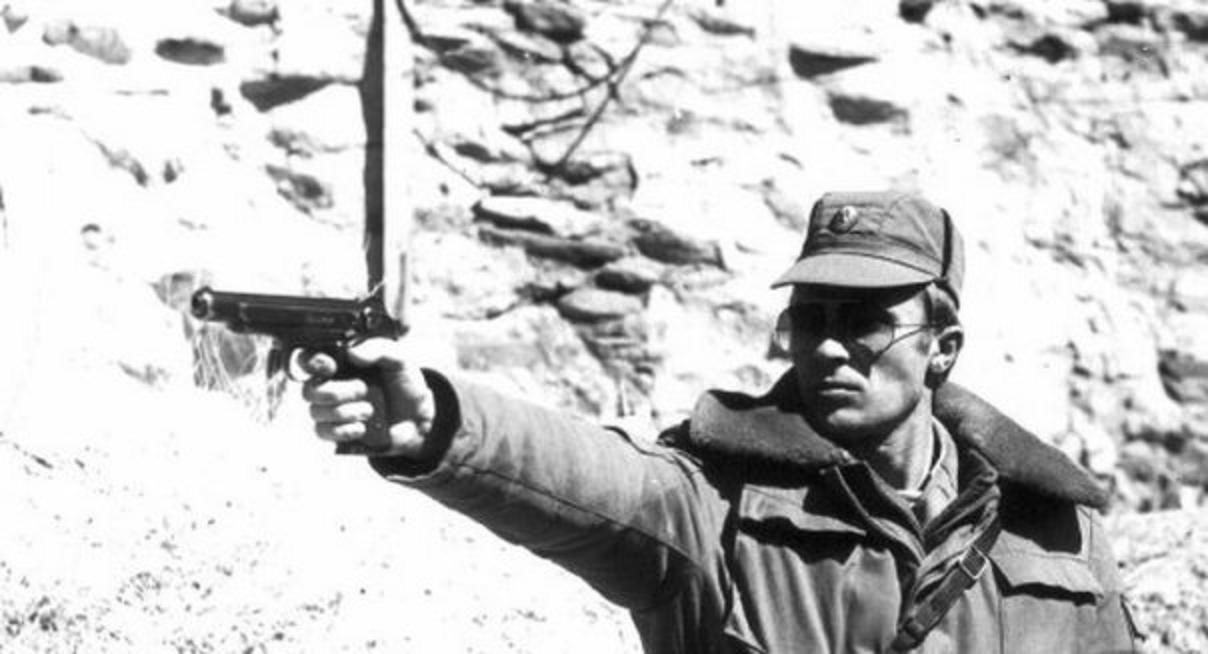

Chechen Wars. Russian military and police units used APS during both Chechen wars.

Armed conflicts on the territory of the former USSR. APS was used in various regional conflicts in the post-Soviet space, including the Nagorno-Karabakh conflict and the conflict in Donbass.
In movies and games
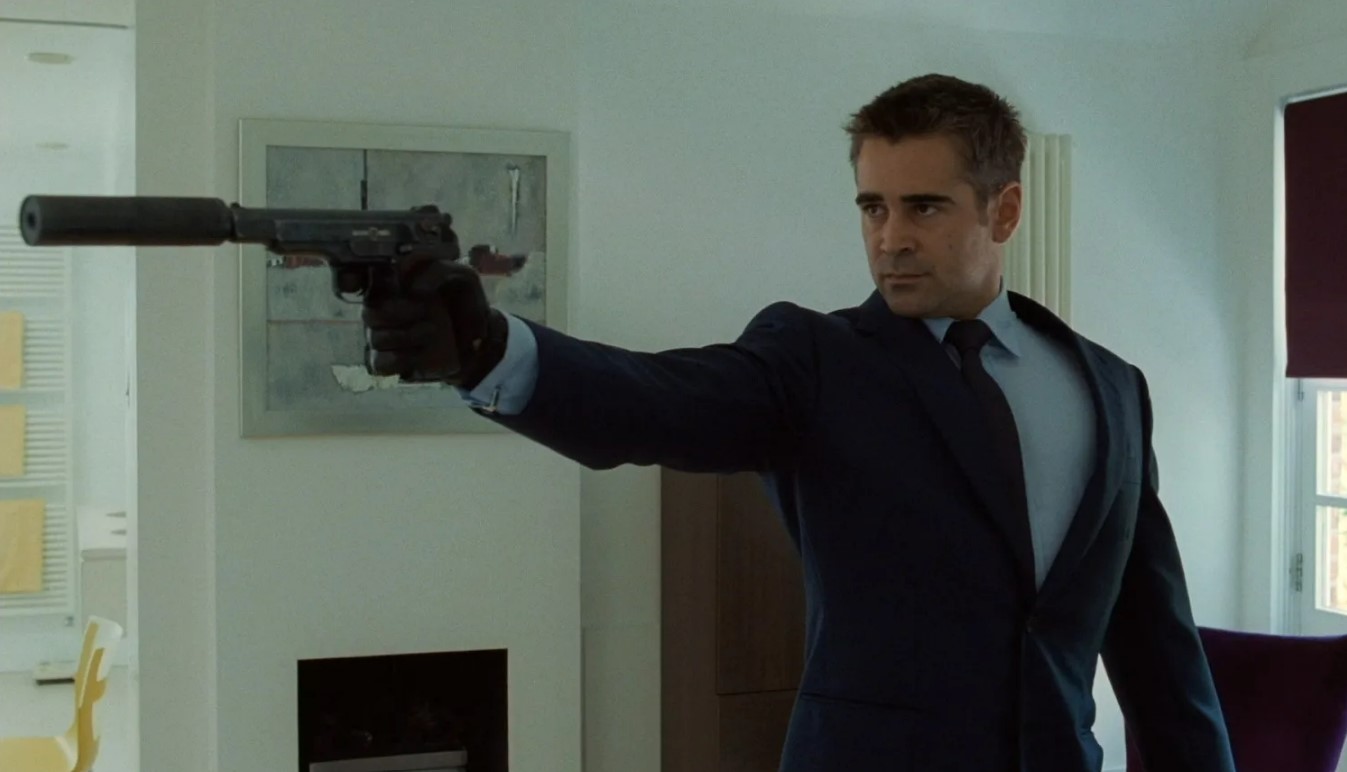
APS is often seen as a weapon in the hands of heroes of various movies and computer games. APS can be seen in such movies as "Voroshilovsky Shooter", "Brat-2" and many not only Russian and Soviet movies, but also foreign ones.


The APS pistol is also featured in a number of popular video games, including Escape from Tarkov, Battlefield 4, Call of Duty: Black Ops, and others.
How Many Produced
The exact number of Stechkin pistols (APS) produced cannot be stated with complete certainty, as most data on the number of copies produced is a military secret or simply has not been published. However, given the long period of production and active use in the Soviet Union and Russia, it can be assumed that several hundred thousand units were produced.
Where the APS was and is produced now
The APS was developed and produced at the Tula Weapons Factory in the USSR. This factory is one of the oldest and most respected arms manufacturers in Russia. To date, there is no reliable information that the APS was produced outside the USSR or Russia under license. Currently, mass production has been discontinued, but individual orders are possible.
Approximate cost in the arms market
The exact cost of APS procurement for military or police depends on many factors such as lot size, contractual terms, optional equipment, etc. However, as of the last update in 2021, there is no publicly available information on the current cost of APS for procurement by government organizations.
Nevertheless, the price of these types of weapons is usually determined on a case-by-case basis based on the factors mentioned above. According to unofficial data, the cost to the army and police is tentatively around $1,000 per unit.
Interesting Facts
A few interesting facts about this pistol:
In addition to army and police use, the Stechkin pistol was used in Soviet aviation as an emergency weapon for pilots. This was useful for when a pilot landed in hostile territory.
The buttstock holster that came with the pistol not only served to improve accuracy, but also acted as a holster for carrying the pistol.
One of the unique features of the APS is its ability to fire both single-shot and automatic fire, which is rare among pistols.
Modifications
APS has several modifications, adapted both for military and special needs, and for civilian use.
| Название | Описание |
|---|---|
| APB (AO-44) | "Silent" model with silencer, developed by A. S. Neugodov in the early 1970s. S. Neugodov developed by A. S. Neugodov in the early 1970s. Adopted for service in 1972. |
| C-APS | Sporting model created by Izhevsk Machine Building Plant for citizens. The automatic firing mode has been removed. |
| VPO-504 "APS-M" | Traumatic pistol for the 10×22 mm T cartridge, produced by the Vyatsko-Polyansk factory "Molot" on the basis of combat APS. |
| МР-355 | 9 mm P.A. traumatic pistol. |
| Umarex APS | 4.5mm air pistol. |
| Gletcher APS | A 4.5mm air pistol that has the same weight as the original, with a movable slide. |
| Gletcher APS-A | A 6mm airsoft pistol with a similar weight to the original and a sliding bolt designed for airsoft. |
| MA-APS | Carbines in 9x18mm caliber. |
Conclusion
The Stechkin pistol (APS) is a unique and multifunctional weapon that played an important role in the armament of Soviet troops and police. Its design features, such as the ability to fire automatically and the use of a butt holster, make it one of the most interesting small arms of the 20th century. Although it has now been largely replaced by more modern models, its contribution to the history of armament is undeniable.